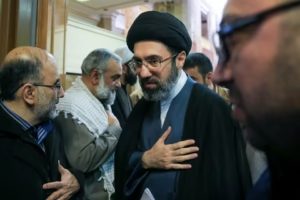


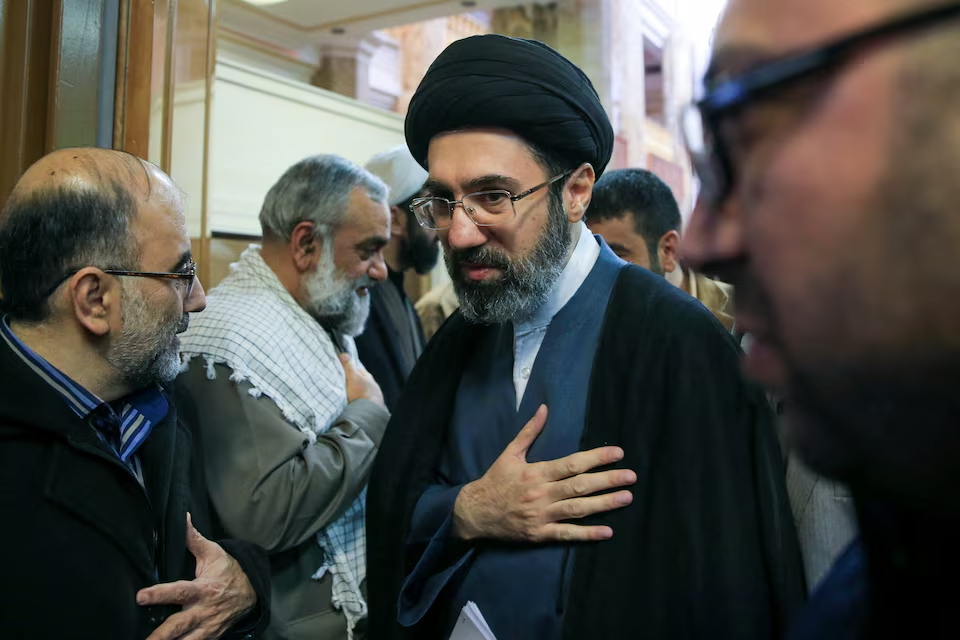
Iran’s newly appointed Supreme Leader, Mostafa Khamenei, has issued his first nationwide audio message following the death of his father, Ayatollah Ali Khamenei, during the opening day of the U.S.-Israel military strike. The message, circulated quietly but widely, calls on Iranians to remain steadfast against foreign aggression.
According to Daljoog News analysis, this approach mirrors the historic audio-based strategy used during the 1979 Islamic Revolution, demonstrating how a leader can unify a nation without public appearances.
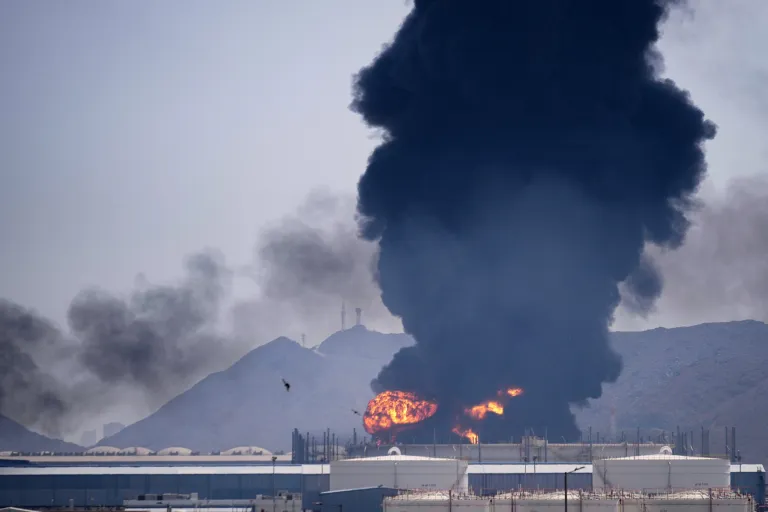
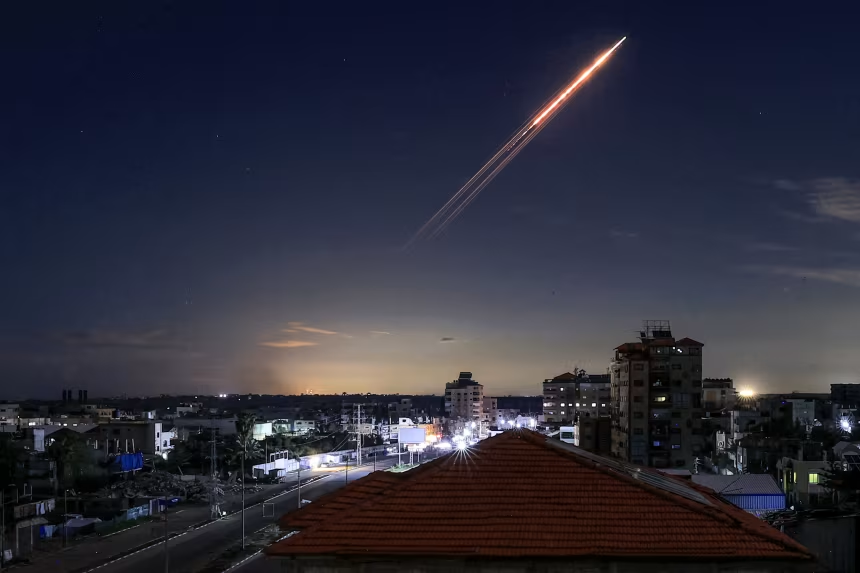
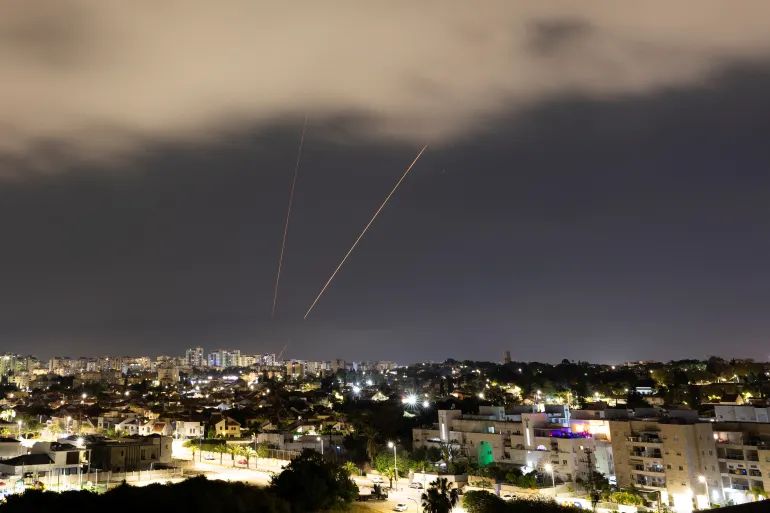
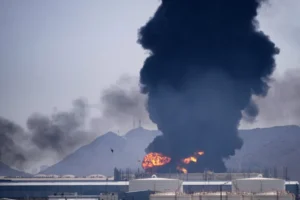
The timing is critical: as Tehran and other Iranian cities sustain heavy damage from ongoing attacks, the message seeks to consolidate national morale and reinforce resistance against U.S.-Israel operations.
What Happened?
On March 12, Mostafa Khamenei released his first audio message as Supreme Leader. Officials describe the address as echoing the revolutionary style of Ayatollah Ruhollah Khomeini, who famously used clandestine audio tapes to galvanize public support while in exile decades ago.
Khamenei’s audio message reached citizens at a moment of intense crisis, emphasizing unity and resistance against the ongoing Israeli-U.S. assaults. Despite the Supreme Leader not appearing publicly, his voice carried the same symbolic weight that once helped Khomeini inspire a nationwide revolutionary movement.
This is the first significant communication from Iran’s new leadership since the February 28 attack that killed Ayatollah Khamenei, after which Mostafa Khamenei was swiftly appointed Supreme Leader.
Why This Matters
The use of audio messaging as a primary tool of leadership demonstrates a blend of historical symbolism and modern crisis management. By mobilizing the nation without public exposure, Mostafa Khamenei maintains operational security while projecting influence across the country.
Analysts note that this approach strengthens internal cohesion, particularly during a time when Iran faces sustained foreign attacks. The psychological effect on the population, combined with the symbolic continuity of leadership, signals Iran’s resilience and strategic depth in high-stakes conflicts.
What Analysts or Officials Are Saying
Experts highlight that Iran’s reliance on audio communication mirrors Khomeini’s strategy from the 1960s through the 1979 revolution. Khomeini’s voice, circulated in secret across thousands of mosques, unified citizens while keeping the leader physically safe.
Similarly, Mostafa Khamenei’s audio address allows him to guide the nation while avoiding direct exposure to ongoing military threats. Analysts suggest this may also reduce vulnerabilities for the leadership while maintaining national morale.
Officials emphasize that the new Supreme Leader’s messages are both symbolic and practical, aiming to sustain public resolve and national unity despite heavy civilian casualties and infrastructural damage.
Daljoog News Analysis
Daljoog News assesses that Mostafa Khamenei’s audio strategy is a calculated demonstration of political continuity and cultural symbolism. By echoing the tactics of the 1979 revolution, he leverages historical memory to strengthen national identity and cohesion at a time of unprecedented external pressure.
This approach underscores the Iranian leadership’s awareness of psychological warfare. Even with significant destruction from U.S.-Israel strikes and over 1,300 civilian deaths reported, the method fosters resilience among citizens and signals that Iran remains unified under its new leadership.
What Happens Next
The Supreme Leader is expected to continue using audio and written communications to direct national response and maintain morale. Analysts predict that this strategy may prolong Iran’s internal cohesion and complicate foreign powers’ attempts to destabilize the country.