



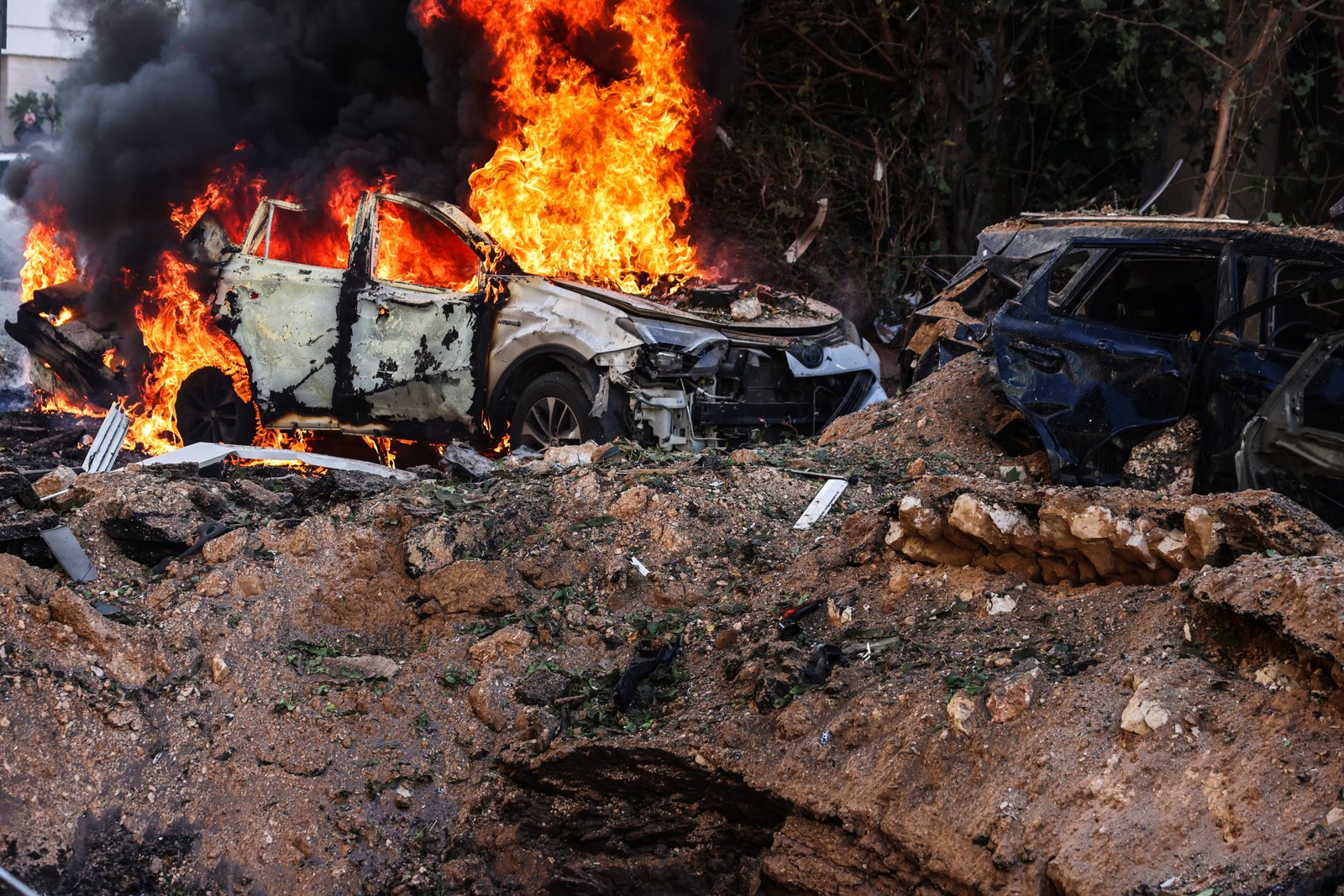
Tel Aviv experienced a sudden wave of missile strikes, leaving residents in panic as sirens blared and explosions shook the city. In just 40 minutes, Iranian forces launched four separate attacks, targeting multiple locations and sending citizens scrambling for safety. The Israeli Army confirmed that the strikes caused intense local disruption, though critical infrastructure remained intact.
According to Daljoog News analysis, the rapid timing and scale of the attacks show Iran’s growing precision and strategic intent. Launching missiles in quick succession signals both a testing of Israel’s defense systems and a broader show of strength, which could influence regional security calculations.
The attacks come at a tense moment following earlier missile activity targeting Tel Aviv. Analysts warn that the pattern indicates a persistent threat rather than isolated incidents, raising concerns about civilian safety and the stability of key infrastructure.
What Happened?
Within a short 40-minute window, Iran launched four missile strikes across Tel Aviv and the surrounding districts. Social media videos reveal smoke rising in multiple areas and residents rushing to shelters. The noise of interceptor missiles filled the skies as explosions reverberated throughout the city.
Some impacts occurred near a major power facility. Israeli Electric Corporation confirmed no damage or casualties at the site. Multiple reports indicate that the attacks affected both urban centers and peripheral areas, showing the coordinated nature of the strikes.
Why This Matters
The intensity and rapid succession of the strikes underscore the speed at which conflict can escalate in the region. For Israel, protecting civilians while maintaining operational infrastructure is a critical challenge. The psychological impact is significant, with citizens facing repeated threats within minutes.
Experts say the strikes are likely meant to test Israel’s missile defense capabilities while signaling Tehran’s strategic reach. The repeated nature of the attacks also demonstrates Iran’s willingness to sustain pressure and challenge Israeli readiness.
What Analysts or Officials Are Saying
Security analysts highlight the precision and coordination required for such rapid missile attacks, reflecting Iran’s growing military capacity. Israeli defense officials are reviewing protocols, anticipating further strikes, and preparing contingency plans. Observers warn that repeated attacks increase the risk of escalation and unintended consequences.
Daljoog News Analysis
The missile strikes reveal a shift in the tactical landscape of the region. Iran’s approach blends speed, precision, and psychological impact, highlighting the evolving nature of modern conflict. For Israel, every minute of response matters, making these rapid attacks particularly threatening.
By striking multiple targets in quick succession, Iran sends a strong strategic message. The attacks demonstrate deterrence capability while potentially influencing international diplomacy, especially with the United States and neighboring states closely monitoring developments.
What Happens Next
Tel Aviv authorities are likely to maintain high alert levels, with missile defenses on standby and safety measures for residents enforced. Analysts will watch for patterns in follow-up attacks, potential retaliation, and broader regional consequences. Diplomatic pressure may increase as repeated strikes highlight the fragility of current security arrangements.