

Iran Middle East geopolitical conflict has intensified after high-stakes peace talks in Islamabad ended without any agreement, despite early optimism from both sides. The collapse of negotiations has raised fresh questions about whether diplomatic channels can still contain the widening crisis.
According to Daljoog News analysis, the failure of the talks highlights how fragmented international mediation efforts have become, with competing global powers pursuing separate diplomatic tracks instead of a unified peace framework.
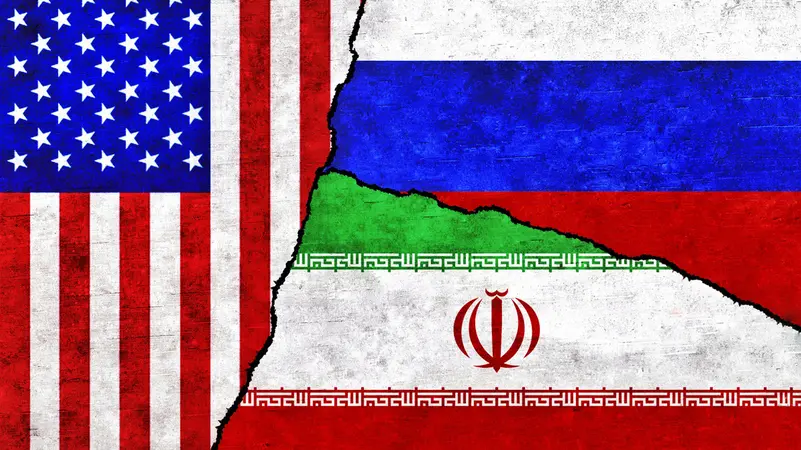
The timing of the breakdown is significant, coming after weeks of heightened regional tensions and renewed involvement from major powers including the United States, Russia, and Iran’s regional partners.
What Happened?
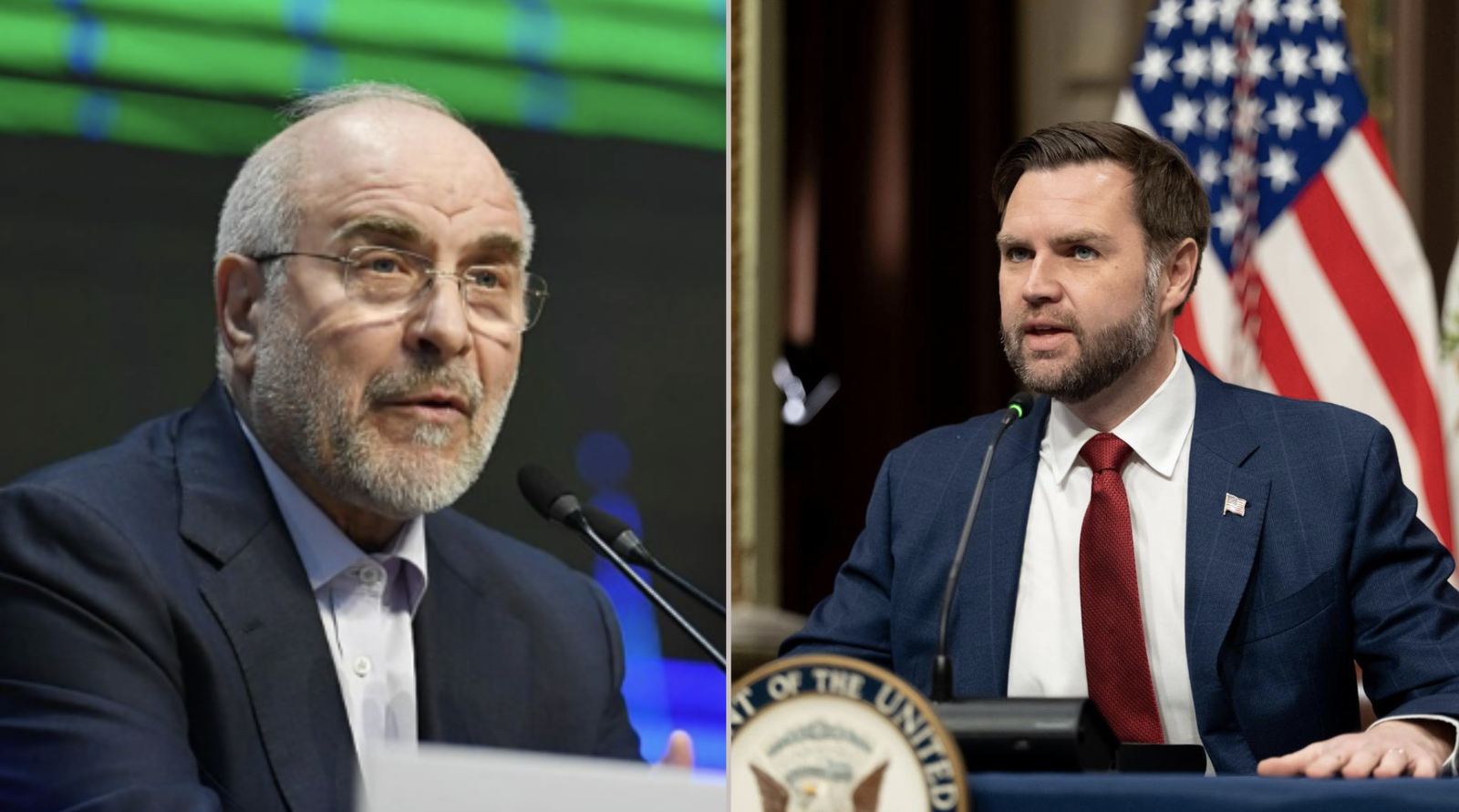
The Iran Middle East geopolitical conflict entered a new phase after 21 hours of negotiations in Islamabad ended without any agreement. The talks, which were initially described as constructive, collapsed overnight, leading both sides to blame each other for the failure.
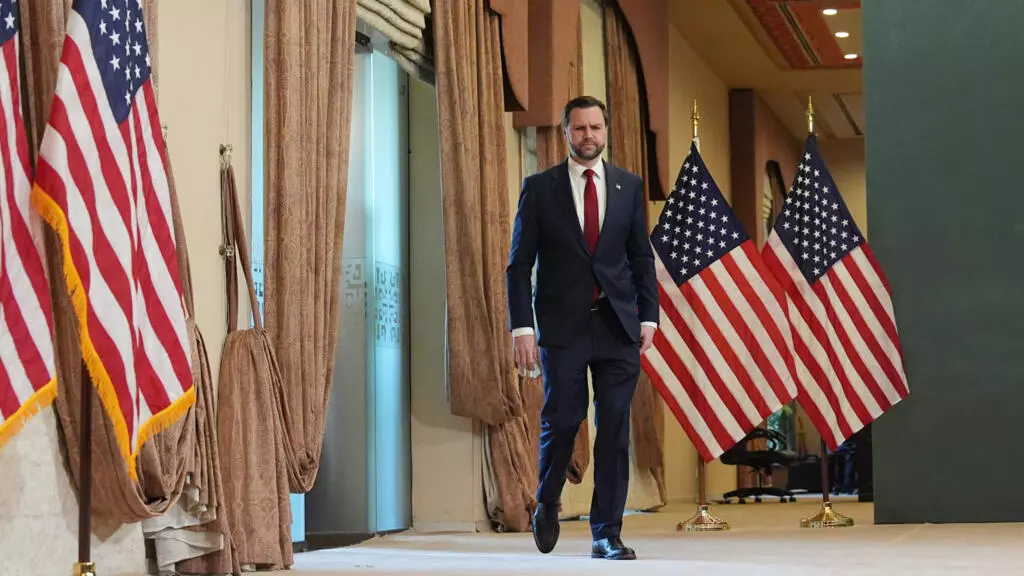
US Vice President JD Vance confirmed during a press briefing before leaving Islamabad that no compromise had been reached. His statement marked the formal end of the US delegation’s participation in the talks.
Shortly after, reports indicated that the Iranian delegation also departed the Pakistani capital, signaling the complete breakdown of the negotiation process.
At the same time, Russian President Vladimir Putin reportedly held a phone call with Iranian President Masoud Pezeshkian, offering Moscow’s readiness to assist in future peace mediation efforts. According to Kremlin statements, Russia expressed support for renewed diplomatic engagement and a broader political solution to the ongoing crisis.
The Kremlin also emphasized its willingness to support “long-term and stable peace” in the region, positioning Russia as a potential mediator in parallel with other international diplomatic efforts.
Why This Matters
The collapse of talks underscores how difficult it has become to manage the Iran Middle East geopolitical conflict through traditional diplomacy alone. Multiple overlapping interests have created a complex negotiation environment where consensus is increasingly difficult to achieve.
The breakdown also highlights growing competition among global powers attempting to shape peace efforts independently. Instead of a unified diplomatic process, parallel initiatives are now emerging, often with conflicting priorities.
This fragmentation increases the risk of prolonged instability. Without coordinated mediation, regional actors may continue to pursue strategic advantage outside formal negotiation frameworks, further complicating conflict resolution.
What Analysts or Officials Are Saying
US officials involved in the talks have described the outcome as disappointing but not unexpected, citing deep disagreements over security guarantees and regional military arrangements.
Russian officials, meanwhile, have positioned Moscow as a potential neutral mediator, emphasizing its willingness to facilitate dialogue between conflicting parties. Analysts say this reflects Russia’s broader strategy of expanding diplomatic influence in the Middle East.
Iranian representatives have not issued detailed public comments but are believed to have raised concerns over security conditions and external military presence during negotiations.
Security analysts argue that the failure of the talks reflects not only bilateral tensions but also broader geopolitical competition, where major powers influence the direction and pace of peace efforts.
Daljoog News Analysis
The failure of the Islamabad talks marks a turning point in the Iran Middle East geopolitical conflict, showing that diplomacy is now deeply intertwined with global power rivalry.
Rather than a single negotiation channel, the conflict is being shaped by multiple external actors, each with different strategic objectives. This has reduced the effectiveness of unified peace efforts and increased diplomatic fragmentation.
Russia’s active engagement as a potential mediator reflects a broader geopolitical shift, where Moscow is seeking to position itself as an alternative diplomatic power center. At the same time, the United States continues to maintain strong regional influence, creating overlapping spheres of negotiation.
The result is a complex diplomatic landscape where progress is slow, coordination is weak, and mistrust remains high. Without structural alignment between major powers, future negotiations may face similar breakdowns.
What Happens Next
Following the failed Islamabad talks, diplomatic efforts are expected to continue through separate channels involving regional and global stakeholders. However, no immediate follow-up meeting has been confirmed.
Russia is likely to expand its mediation efforts following President Putin’s engagement with Iranian leadership, while the United States is expected to reassess its negotiation strategy.
Analysts warn that without a coordinated framework, future talks may struggle to produce tangible results, potentially prolonging the Iran Middle East geopolitical conflict.