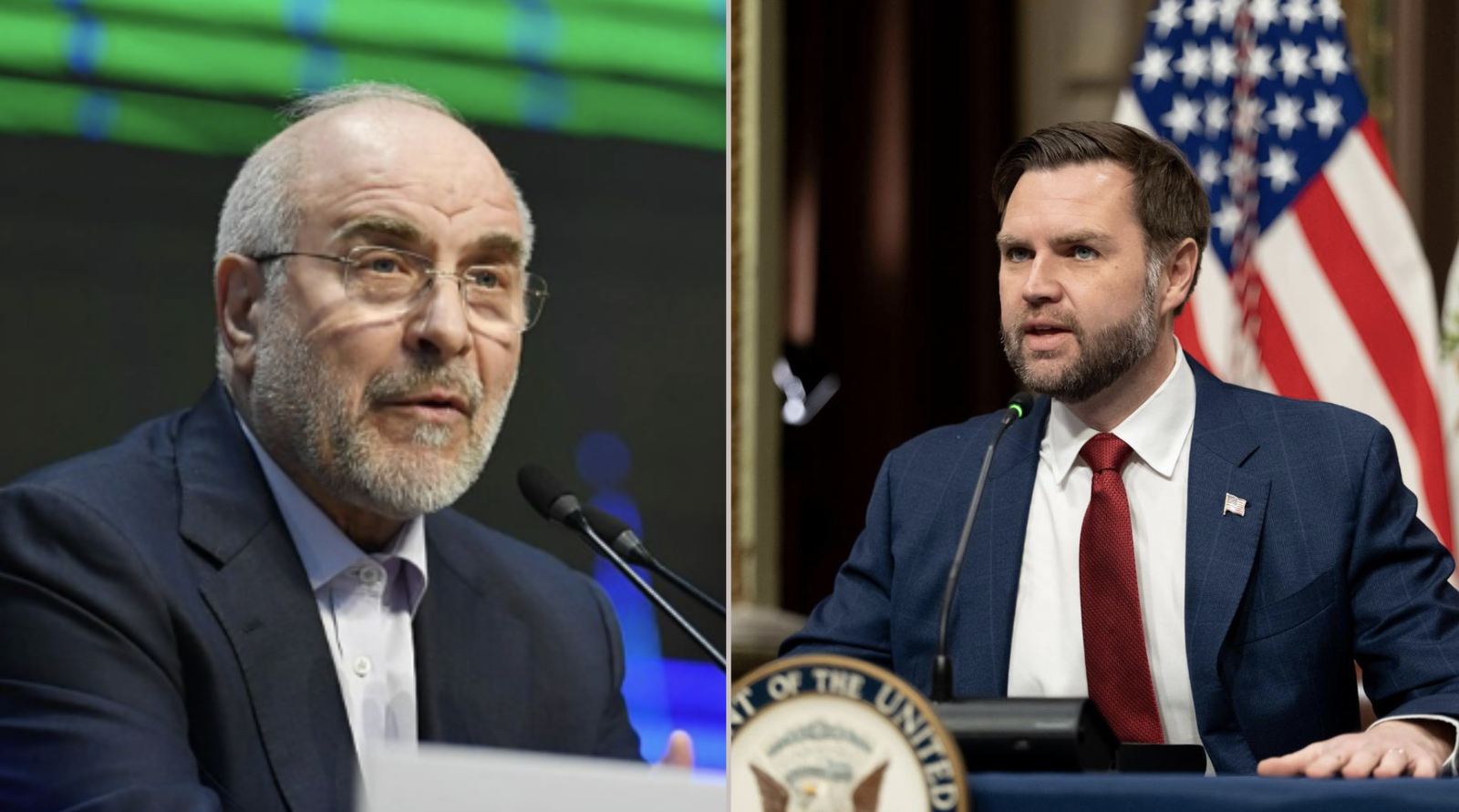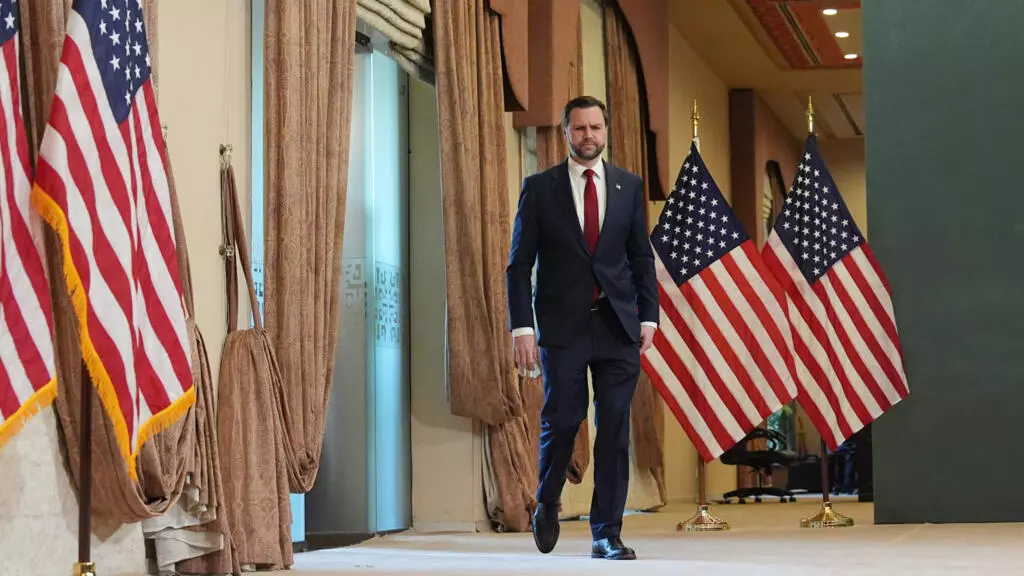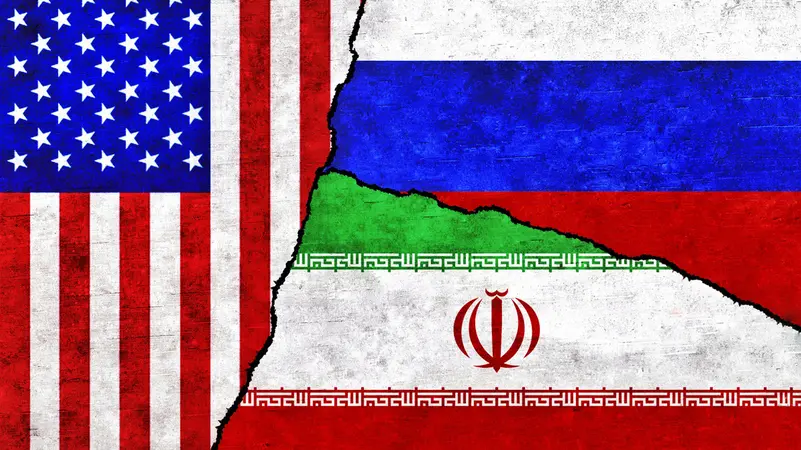

Iran Middle East geopolitical conflict is escalating as Pakistan’s reported fighter jet deployment to Saudi Arabia coincides with high-stakes US-Iran diplomatic negotiations. The overlapping military and diplomatic moves are adding new layers of complexity to an already volatile regional situation.
According to Daljoog News analysis, the Iran Middle East geopolitical conflict is increasingly shaped by interconnected alliances, where military commitments and peace negotiations are unfolding at the same time, often in contradiction to each other.
The timing of these developments highlights how quickly the situation is evolving, with regional actors balancing defense obligations, diplomatic pressure, and economic dependencies all at once.
What Happened?
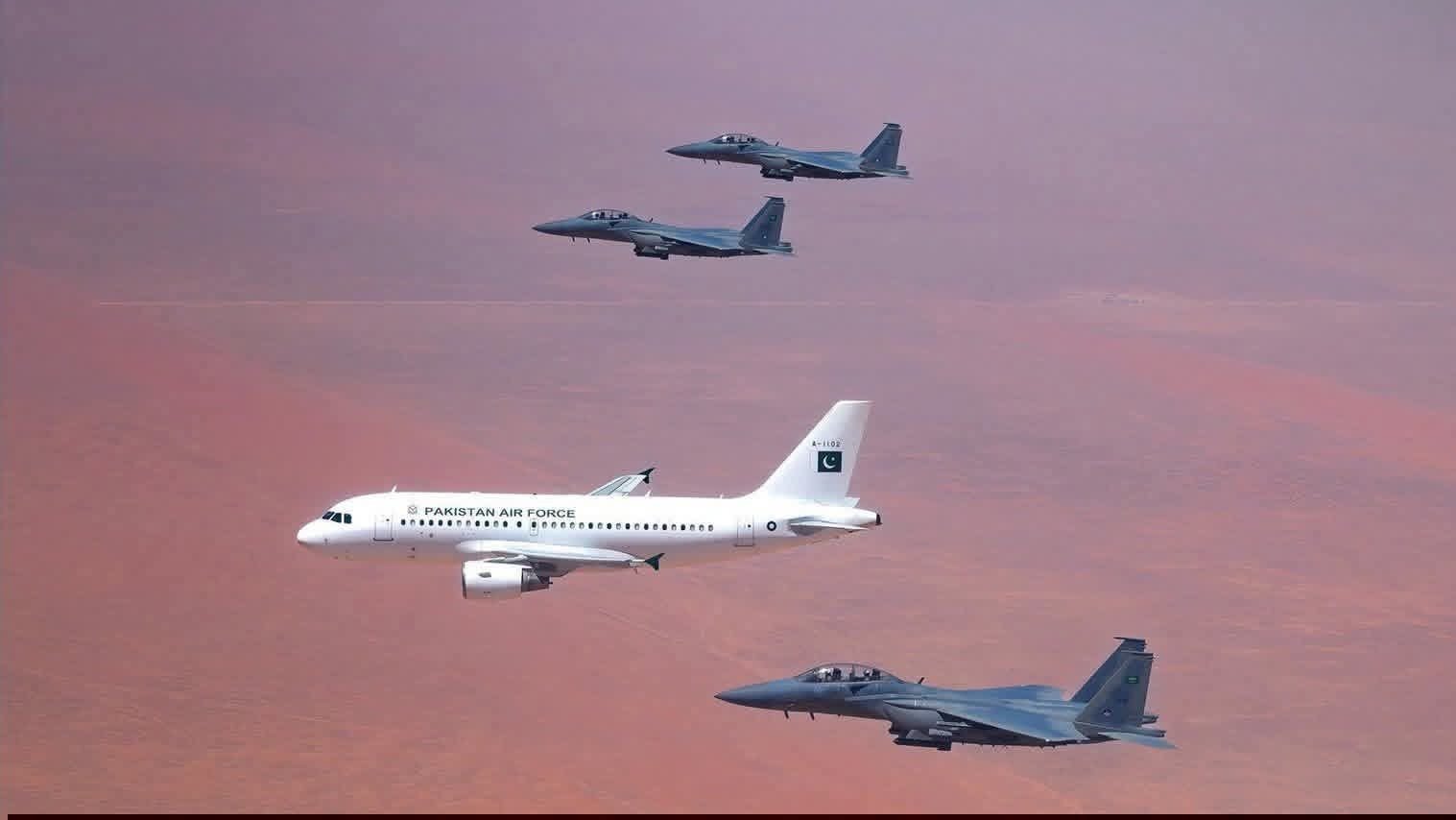
Iran Middle East geopolitical conflict tensions intensified after reports emerged that Pakistan deployed fighter jets to Saudi Arabia during a critical phase of US-Iran negotiations in Islamabad. The aircraft were stationed at King Abdulaziz Air Base under a mutual defense agreement.
The agreement reportedly states that any attack on Saudi Arabia would be treated as an attack on Pakistan itself, significantly raising Islamabad’s strategic stakes in the region.
At the same time, Pakistan is involved in diplomatic discussions with US and Iranian representatives aimed at reducing regional tensions. This dual engagement places Pakistan in a complex position between military alignment and peace mediation.
The deployment is being interpreted by analysts as a signal of deterrence, reinforcing Pakistan’s security commitments while negotiations continue in parallel.
Why This Matters
The Iran Middle East geopolitical conflict is no longer a simple regional dispute. It has evolved into a multi-layered geopolitical struggle involving alliances, defense treaties, and global diplomatic influence.
Pakistan’s military presence in Saudi Arabia introduces a new deterrence factor that could influence how regional actors calculate risks during the ongoing conflict.
At the same time, active diplomatic negotiations show that key stakeholders are still attempting to avoid full-scale escalation, even as military posturing continues.
This dual-track approach increases uncertainty, as military signals and diplomatic messages may not always align, raising the risk of misinterpretation.
What Analysts or Officials Are Saying
Security analysts say Pakistan’s deployment is primarily a strategic signal reinforcing its defense commitments to Saudi Arabia while also supporting regional stability.
Experts note that Pakistan’s position reflects a delicate balance between economic reliance on Gulf partners and its complex diplomatic relationship with Iran.
Some analysts warn that if negotiations fail, the Iran Middle East geopolitical conflict could widen, potentially pulling additional regional actors into the crisis.
Officials have not provided detailed confirmations, but defense monitoring suggests continued military readiness across key regional bases.
Daljoog News Analysis
The Iran Middle East geopolitical conflict demonstrates how modern regional crises are shaped by overlapping military alliances and diplomatic efforts occurring simultaneously.
Pakistan’s involvement highlights the growing challenge for middle powers trying to balance economic interests, security commitments, and mediation roles at the same time.
While such balancing acts may help prevent immediate escalation, they also increase long-term instability by introducing multiple competing signals into the conflict environment.
The situation reflects a broader shift in global geopolitics where regional conflicts are no longer isolated but interconnected with global strategic competition.
What Happens Next
Diplomatic negotiations involving Iran, the United States, and regional intermediaries are expected to continue, though progress remains uncertain.
Pakistan is likely to maintain both its military presence in Saudi Arabia and its participation in peace talks, reinforcing its dual-track strategy.
However, analysts caution that any breakdown in diplomacy could significantly escalate the Iran Middle East geopolitical conflict and draw in additional regional powers.