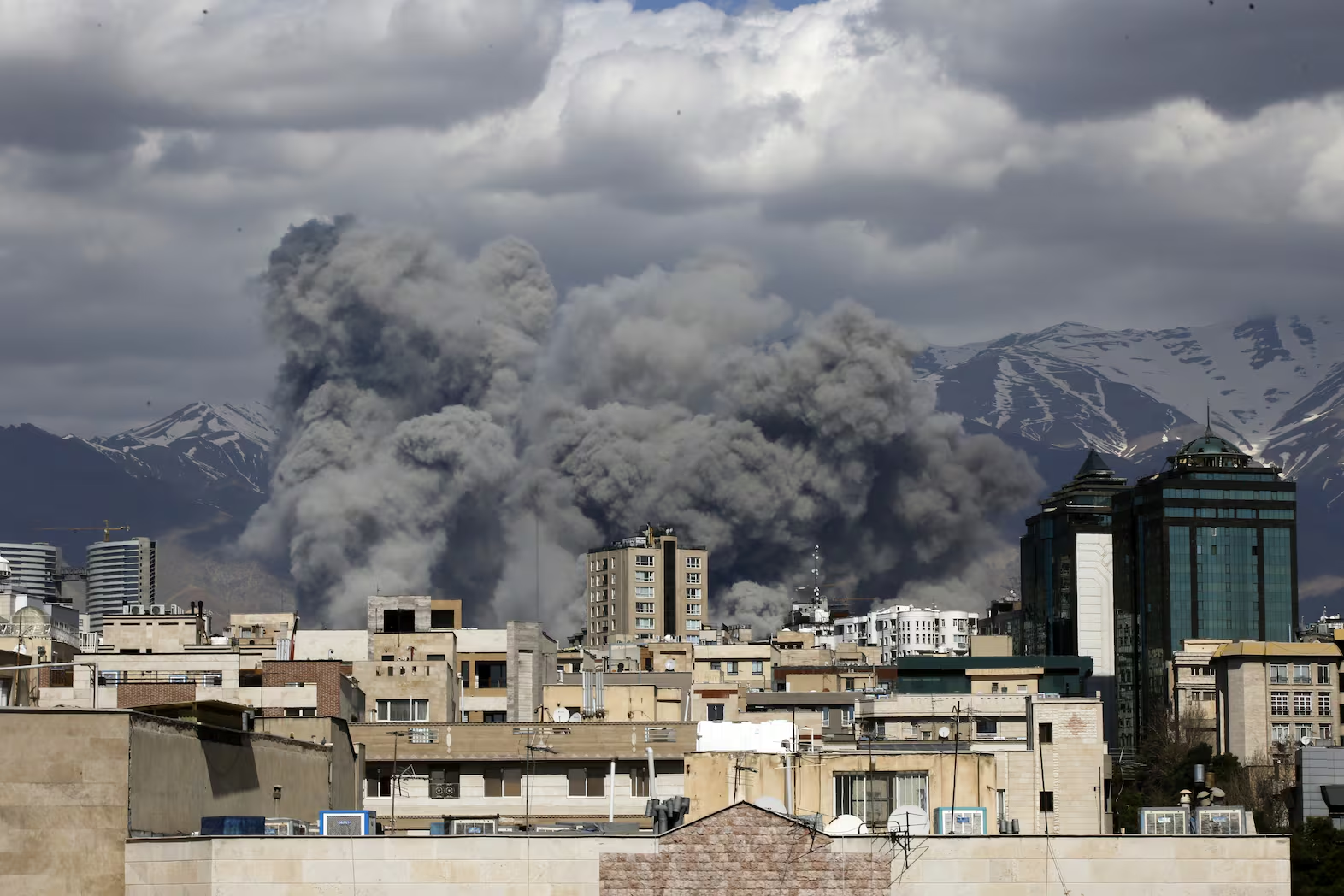


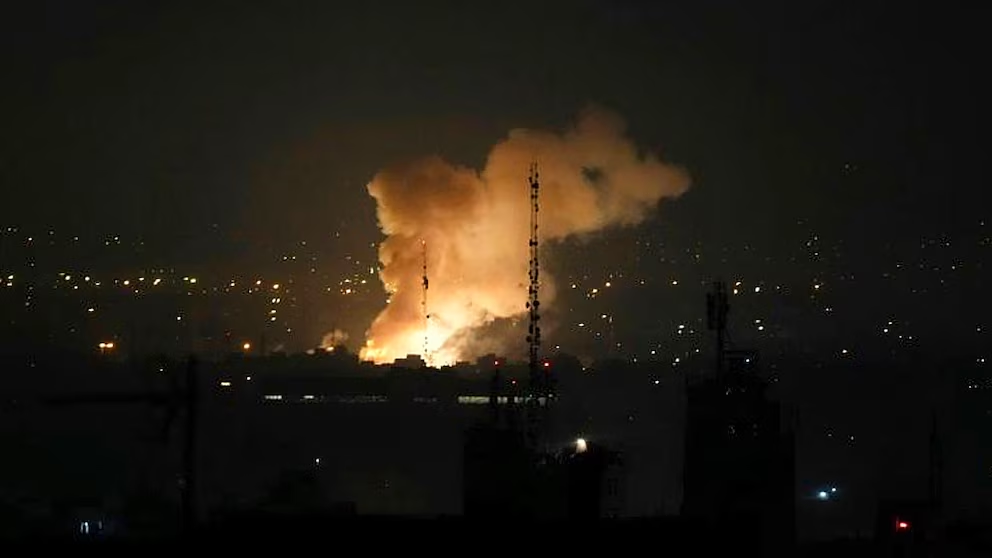
Iran has launched a significant ballistic missile strike near Tel Aviv, targeting the Bnei Brak area. Multiple civilians have been reported injured, and homes and vehicles in nearby districts have suffered heavy damage.
According to Daljoog News analysis, the attack marks a dangerous escalation in the ongoing Israel-Iran tensions, raising fears of broader regional conflict.
The assault comes amid a surge of military activity across the Middle East, with civilians seeking shelter and international actors monitoring the volatile situation closely.
What Happened?
The missile strike hit residential and commercial areas around Bnei Brak, while additional damage was reported in Petah Tikva and Rosh HaAyin. Residents took cover in bunkers amid the threat of further attacks.
The Israeli Defense Forces (IDF) responded with intensified operations, claiming over 400 strikes in Tehran and surrounding areas over the past two days. Their targets reportedly included the Iranian Defense Ministry’s central complex and 15 major weapons production sites.
Israel stated that the operations destroyed advanced missile storage facilities and air-defense systems, though Iran’s Islamic Revolutionary Guard Corps (IRGC) has not confirmed any specific damages.
Why This Matters
The strikes highlight the escalating military confrontation between Israel and Iran, with serious implications for civilian safety, regional stability, and global security.
The attacks have triggered cross-border responses, with IRGC and allied groups continuing assaults on U.S. installations across the Middle East. Countries such as Kuwait and the United Arab Emirates reported intercepting multiple Iranian missiles and drones in their airspace.
Russia has also acted cautiously, evacuating over 200 staff members from Iran’s Bushehr nuclear power plant amid the rising hostilities. Meanwhile, southern Lebanon is witnessing intensified clashes, with Hezbollah claiming to have downed Israeli drones and engaged enemy aircraft.
What Analysts or Officials Are Saying
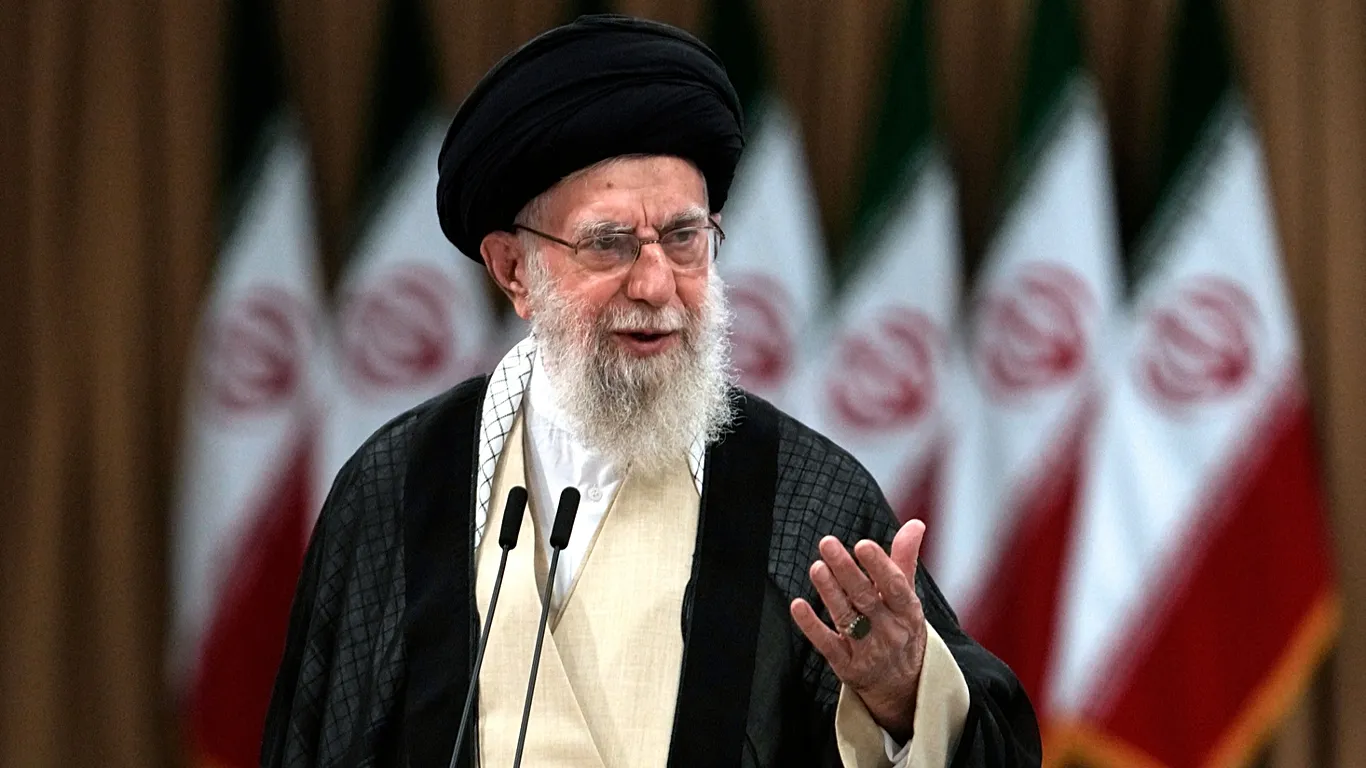
Regional analysts note that the situation reflects a growing tit-for-tat escalation. IRGC officials have publicly framed the strikes as a demonstration of strength, warning the United States and Israel against underestimating resistance forces.
Observers point out that despite Israel’s and the U.S. technological superiority, Iranian and allied forces have demonstrated the ability to challenge military operations effectively in contested zones.
Reports from Lebanon indicate that the ongoing clashes have resulted in injuries to at least 50 Israeli troops over the past 24 hours, highlighting the human cost of the escalating conflict.
Daljoog News Analysis
This flare-up illustrates the fragile balance of power in the Middle East and the risks of rapid escalation. Both Israel and Iran are engaged in high-stakes military maneuvers, with civilians bearing much of the immediate risk.
The involvement of allied groups such as Hezbollah and the IRGC complicates the security landscape, creating potential flashpoints across multiple countries. While advanced weaponry gives Israel and the United States significant reach, the resilience and strategic responses of Iranian forces show that technology alone may not dictate outcomes.
The conflict also underscores the geopolitical ripple effects, including the cautious posture of Russia and the heightened alert across Gulf states. Each action on the battlefield has diplomatic and humanitarian implications far beyond the immediate region.
What Happens Next
Further strikes and counter-strikes are likely as both sides test each other’s capabilities. Israel may continue targeting military infrastructure within Iran, while IRGC and allied forces could expand operations against U.S. and Israeli interests across the region.
Monitoring civilian safety, particularly in urban areas, will remain a priority, and international actors may increase diplomatic interventions to prevent wider escalation. Analysts suggest that the coming days could define the trajectory of this conflict and its impact on regional stability.
The situation remains fluid, and all eyes are on both military and political developments as Iran and Israel continue their confrontation.