


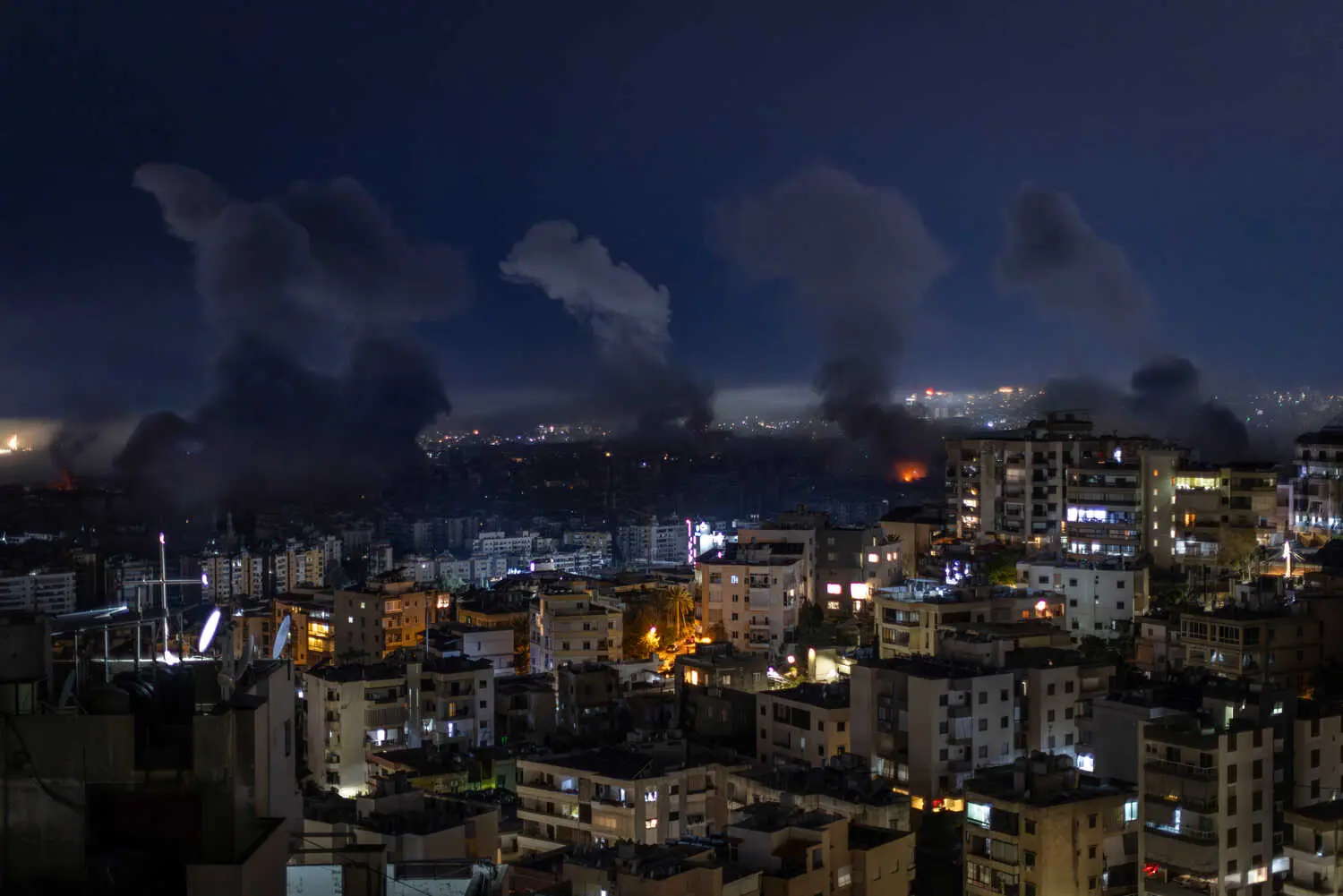
Early Thursday, Iran launched a series of large-scale attacks targeting strategic sites across multiple Middle Eastern countries, including Saudi Arabia, Iraq, Bahrain, Qatar, and the United Arab Emirates. In Dubai, a drone struck a building in the Creek Harbour area, just eight kilometers from the city’s busy international airport.
According to Daljoog News analysis, the scale and coordination of these strikes underscore Tehran’s willingness to escalate military pressure against both regional adversaries and U.S. forces stationed in the Gulf. The attacks reflect a highly organized strategy with symbolic timing tied to religious observances.
The operations have heightened tensions across the region, drawing attention to the vulnerability of critical infrastructure and military assets. Civilian and military populations alike are now facing uncertainty as Iran demonstrates its long-range strike capabilities.
What Happened?
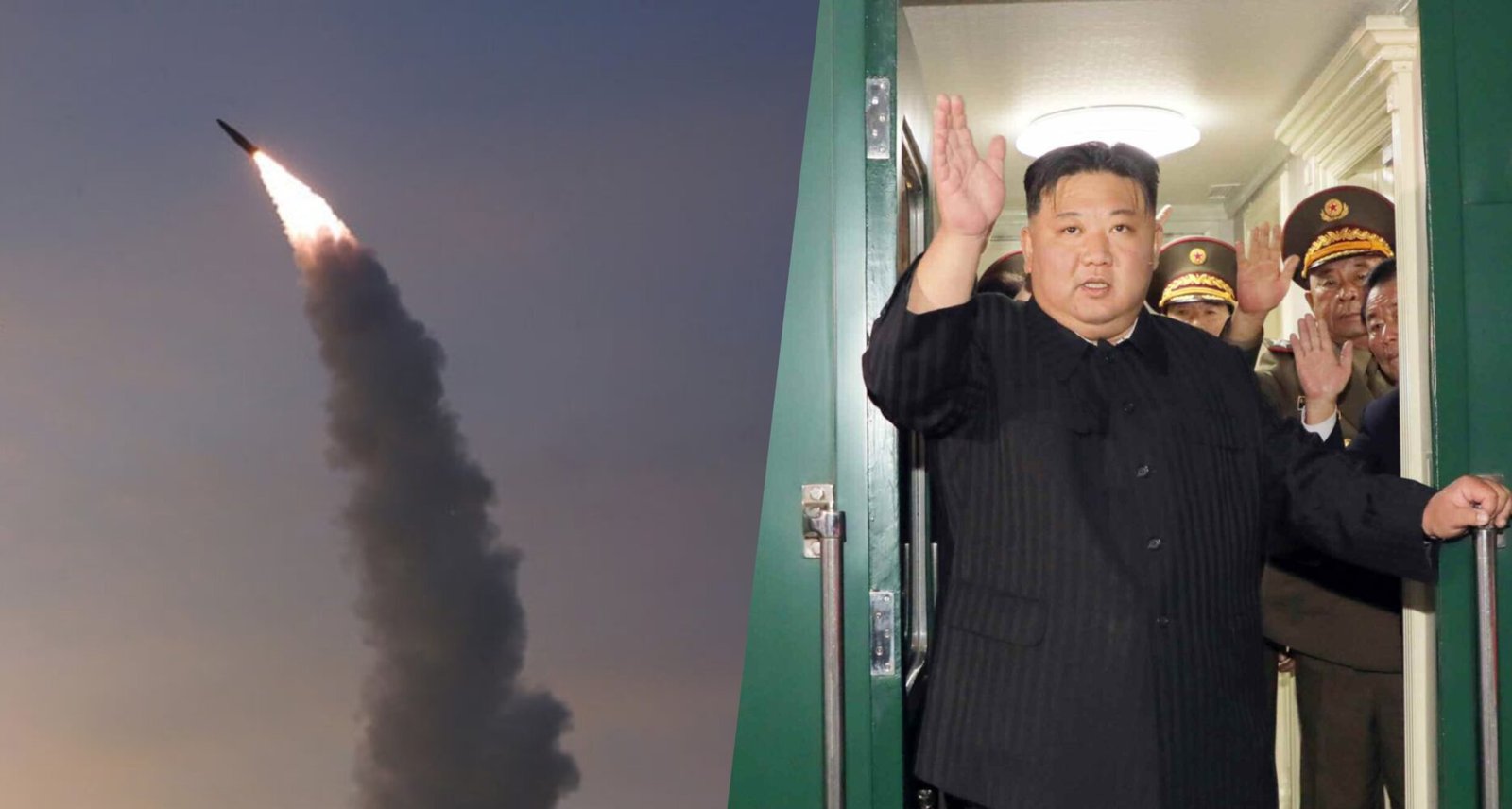
Iran’s Islamic Revolutionary Guard Corps (IRGC) described the strikes as part of their “True Promise Four” campaign, marking the 37th wave of attacks in a series of unprecedented operations. The missile barrage reportedly coincided with sacred dates, including Laylat al-Qadr and the anniversary of Imam Ali’s martyrdom.
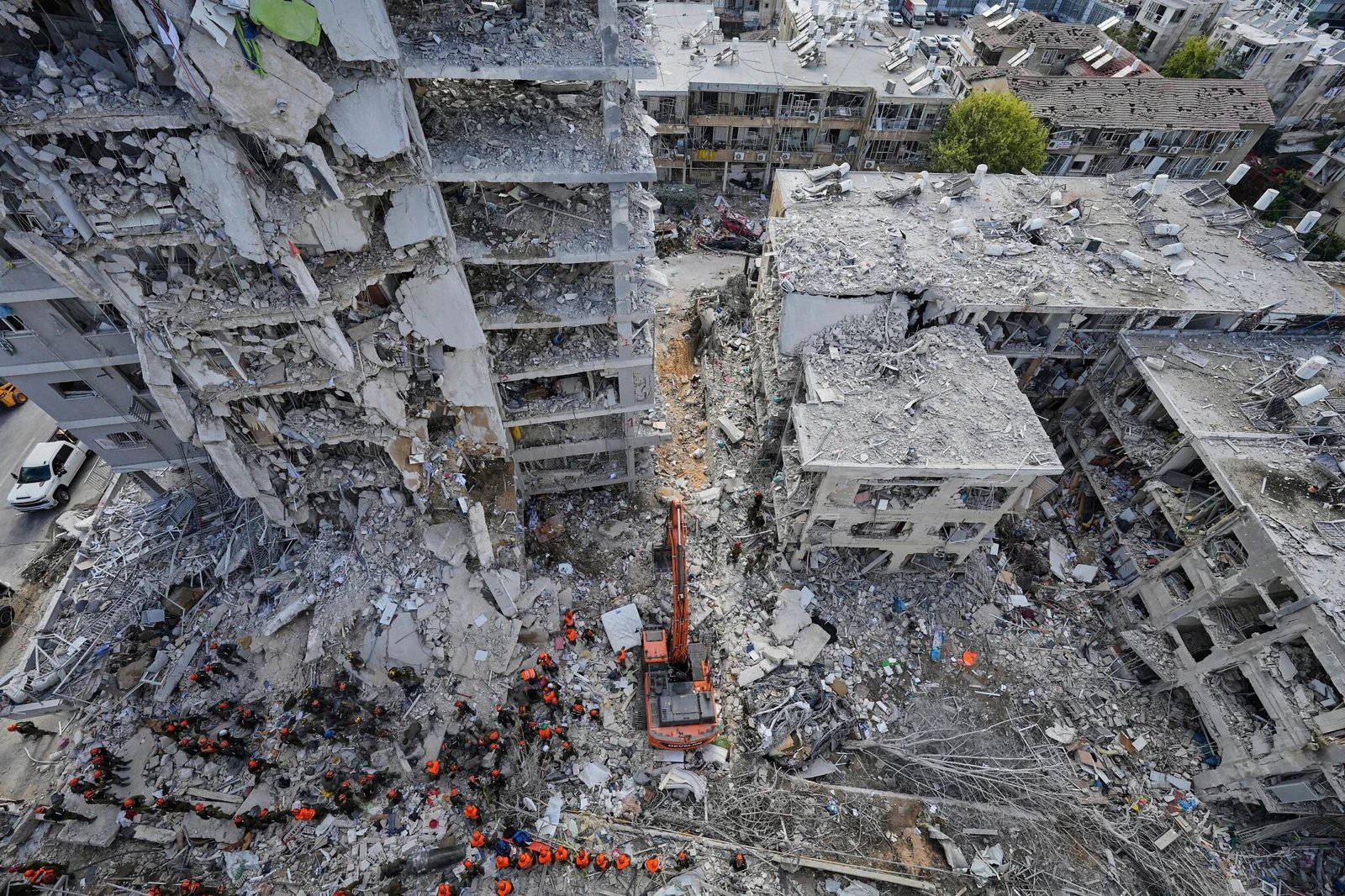
Targets included major U.S. and Israeli military positions, communication centers, and satellite hubs. In southern Tel Aviv, a satellite communications facility was reportedly destroyed for the second time. Military centers in West Jerusalem, Haifa, Erbil, and the Fifth Marine Base in Iraq also sustained damage.
Simultaneously, Hezbollah in Lebanon launched approximately 100 rockets toward northern Israel in coordination with Iran’s missile strikes. The Israeli Defense Forces (IDF) confirmed that these rockets targeted northern regions, and residents were instructed to seek shelter.
In Qatar, nine ballistic missiles were reportedly launched at key sites, confirmed by the country’s defense minister. UAE authorities reported the drone strike in Dubai’s Creek Harbour area, near one of the world’s busiest airports.
Why This Matters
The strikes have placed significant pressure on both Israel and the United States, while Gulf countries hosting U.S. military bases face heightened risks. The coordination of attacks across multiple nations demonstrates Iran’s capacity for simultaneous long-range operations.
Beyond the immediate military implications, the attacks signal a potential escalation in regional conflict, affecting energy security, transportation, and civilian safety. The timing and intensity of the strikes also serve as a strategic warning to Washington and Tel Aviv against further military operations in Iran.
What Analysts or Officials Are Saying
Security analysts note that these attacks mark one of the most complex and extensive coordinated operations Iran has conducted in recent years. By aligning the missile strikes with religious observances, Tehran emphasizes both ideological and tactical messaging.
Observers highlight the involvement of Hezbollah, suggesting that Iran can project power beyond its borders through proxy forces. Officials warn that continued escalation could threaten civilian infrastructure, disrupt air traffic, and provoke retaliatory actions from U.S. or Israeli forces.
Daljoog News Analysis
Daljoog News assesses that Iran’s attacks illustrate a broader strategy of deterrence and regional influence. The simultaneous targeting of multiple countries and military installations reflects Tehran’s intent to demonstrate operational capability and send a strong political message.
The engagement also highlights the vulnerability of foreign military bases and strategic assets in the Gulf. Iran’s use of drones, ballistic missiles, and coordination with allied groups like Hezbollah indicates a sophisticated multi-layered approach to modern warfare in the region.
What Happens Next
The Middle East remains on high alert, with military and civilian authorities monitoring for potential follow-up attacks. U.S. and Israeli forces are likely to reassess security protocols at key installations, while Gulf nations may implement additional protective measures.
Observers will continue to track the interplay between Iranian operations, Hezbollah activity, and regional responses. The coming days may see heightened diplomatic engagement, increased military preparedness, and potential retaliatory strikes if the situation escalates further.