

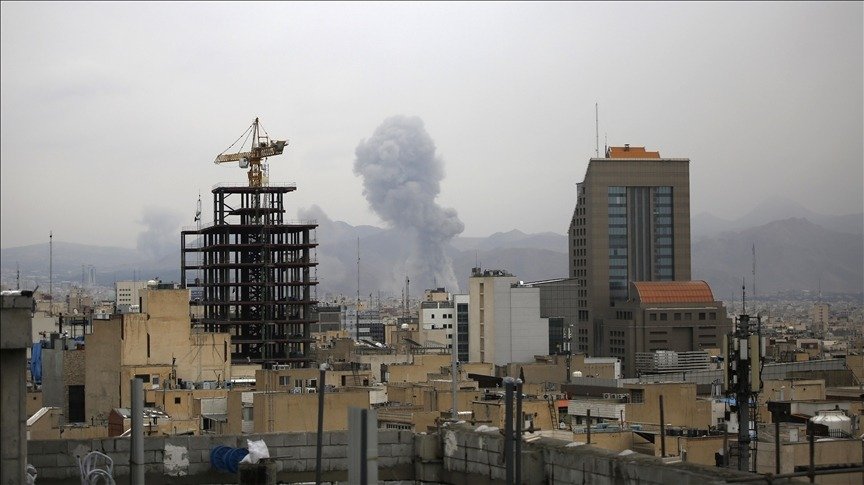
Iran launched a new wave of missile attacks targeting Israel, raising concerns about a rapidly escalating military confrontation in the Middle East. Israeli authorities reported multiple strikes across central and northern areas of the country, with casualties increasing as emergency services responded to damaged sites.
According to Daljoog News analysis, the latest strikes mark a significant shift from isolated retaliation toward sustained missile exchanges between regional rivals. The attacks are intensifying pressure on Israel’s air defense systems and increasing fears of a broader regional conflict.
The escalation comes during an already fragile security moment in the Middle East, where tensions involving Iran, Israel, and their regional allies have been steadily rising. Military activity across the region has increased in recent weeks, raising the risk of further cross-border strikes.
What Happened?
Iran launched several missiles toward Israeli territory during overnight attacks that triggered emergency sirens across multiple cities. Israeli authorities confirmed that explosions were reported in several locations after air defense systems attempted to intercept incoming projectiles.
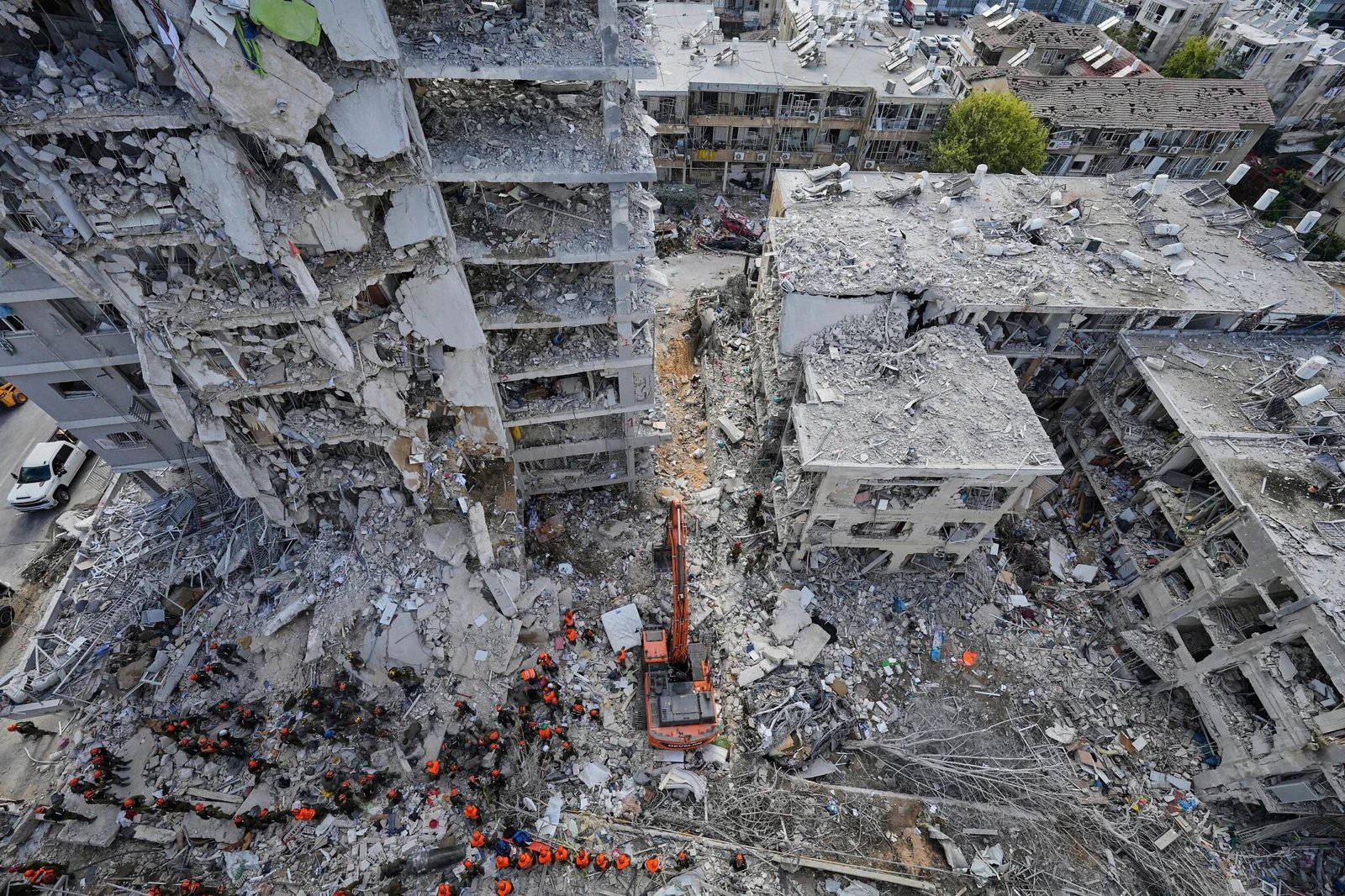
Central regions and northern cities, including areas near Haifa, experienced repeated warning alerts as residents rushed to shelters. Emergency responders were deployed across affected areas to assess damage and assist the injured.
Israel’s Health Ministry reported that casualties have increased following the attacks. Over the past week, several people have been killed while thousands have required medical attention after missile strikes or while seeking shelter during alerts.
Officials confirmed that hundreds of people were injured in recent days, including dozens treated within the last 24 hours alone. Some victims remain in serious condition as hospitals continue treating those wounded during the attacks.
Missiles reportedly targeted strategic locations, though Israeli authorities have limited details about the exact sites struck. Security restrictions have also limited media access to some affected areas while investigations and emergency operations continue.
Why This Matters
The renewed missile exchanges represent one of the most serious escalations between Iran and Israel in recent years. While both countries have previously engaged in indirect conflict through regional proxies, direct attacks carry far greater risks of widening the confrontation.
Israel relies heavily on layered air defense systems designed to intercept incoming rockets and ballistic missiles. These include technologies built to protect densely populated areas and key infrastructure.
However, sustained missile barrages can place pressure on even advanced defense systems. When attacks occur repeatedly across multiple locations, emergency services and civil defense networks face significant strain.
The escalation also increases the likelihood of retaliatory action. Military planners in both countries are now operating in an environment where each new strike could provoke a larger response.
Regional stability could be affected if neighboring actors become involved. Several Middle Eastern countries closely monitor the conflict due to security alliances, economic interests, and regional rivalries.
What Analysts or Officials Are Saying
Israeli authorities have focused on emergency response and public safety while assessing the scale of the damage. Officials say civil defense systems remain active and continue to instruct residents to seek shelter during missile alerts.
Security analysts note that missile attacks targeting populated areas increase psychological pressure on civilian populations, even when interception systems prevent many strikes from reaching their targets.
Regional observers say both Iran and Israel appear to be testing each other’s military thresholds. The frequency and intensity of attacks could influence future diplomatic or military responses.
Defense experts also highlight the growing role of missile and drone warfare in modern conflicts. These technologies allow countries to project force across long distances without immediate ground engagement.
Analysts believe the situation remains volatile and could change quickly depending on military decisions made in the coming days.
Daljoog News Analysis
The latest missile strikes illustrate how quickly tensions between Iran and Israel can shift from strategic rivalry to confrontation.
For years, both countries relied largely on indirect pressure through cyber operations, covert actions, and regional allies. Direct missile exchanges represent a more dangerous stage of confrontation.
One key factor shaping the conflict is the balance between deterrence and escalation. Each side aims to demonstrate strength without triggering a conflict that could draw in multiple regional powers.
Israel’s defense systems remain among the most advanced in the world, but even sophisticated systems face limits when confronted with sustained barrages. Iran, meanwhile, continues to expand its missile capabilities as part of its broader deterrence strategy.
The current cycle of attacks also highlights the growing vulnerability of civilian populations during modern missile warfare. Even when many projectiles are intercepted, warning sirens, shelter evacuations, and emergency responses disrupt daily life across entire cities.
From a geopolitical perspective, the longer this confrontation continues, the greater the risk that it spills beyond bilateral exchanges and reshapes regional security dynamics.
What Happens Next
Military and political leaders in both Iran and Israel now face critical decisions about how far the confrontation will escalate.
Israel may consider additional military responses if missile attacks continue or if casualties increase. Such actions could include targeted strikes aimed at reducing the capability to launch further missiles.
Iran, meanwhile, could attempt to maintain pressure through additional missile launches or coordinated actions with regional allies.
Diplomatic channels may also become more active as international actors seek to prevent further escalation. Several global powers have previously urged restraint when tensions between the two countries rise.
For civilians in affected areas, the immediate concern remains safety as warning systems continue to sound across parts of Israel.