

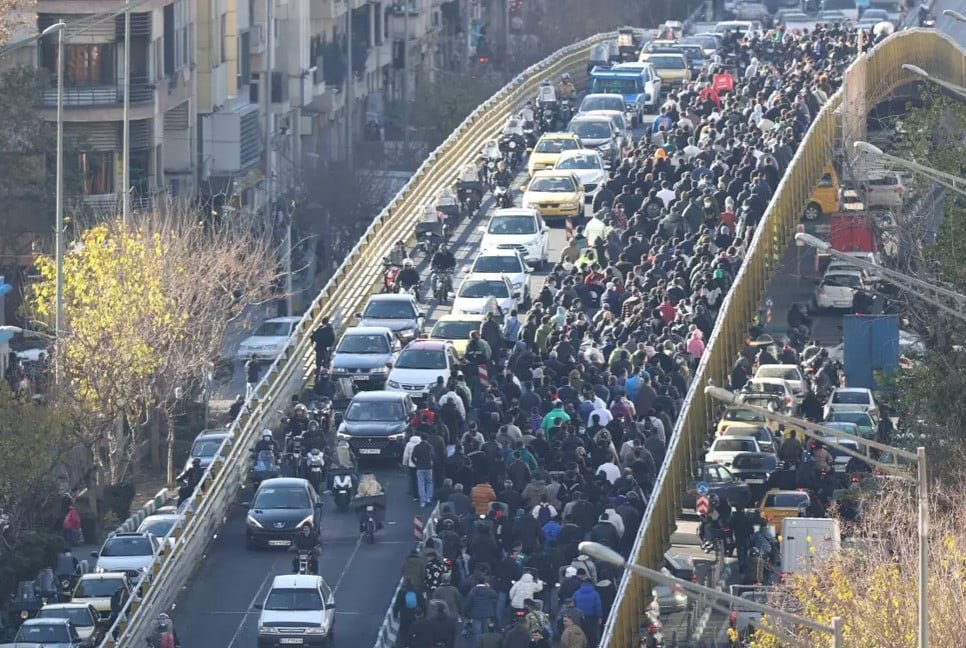
Iran is facing widespread protests as the cost of living becomes unbearable for ordinary citizens.
The demonstrations, which began over rising prices, have continued for nine days. They have now spread to more than 80 cities, with over 200 locations reporting unrest. Police and security forces have struggled to control the protests, which have sometimes turned violent. Multiple deaths have been reported amid clashes.
Supreme Leader Ayatollah Ali Khamenei has condemned the protests, calling the demonstrators “rioters.” He has ordered security forces to take strict action to restore order. Despite arrests and crackdowns, the protests show no signs of slowing down and continue to move from one city to another.
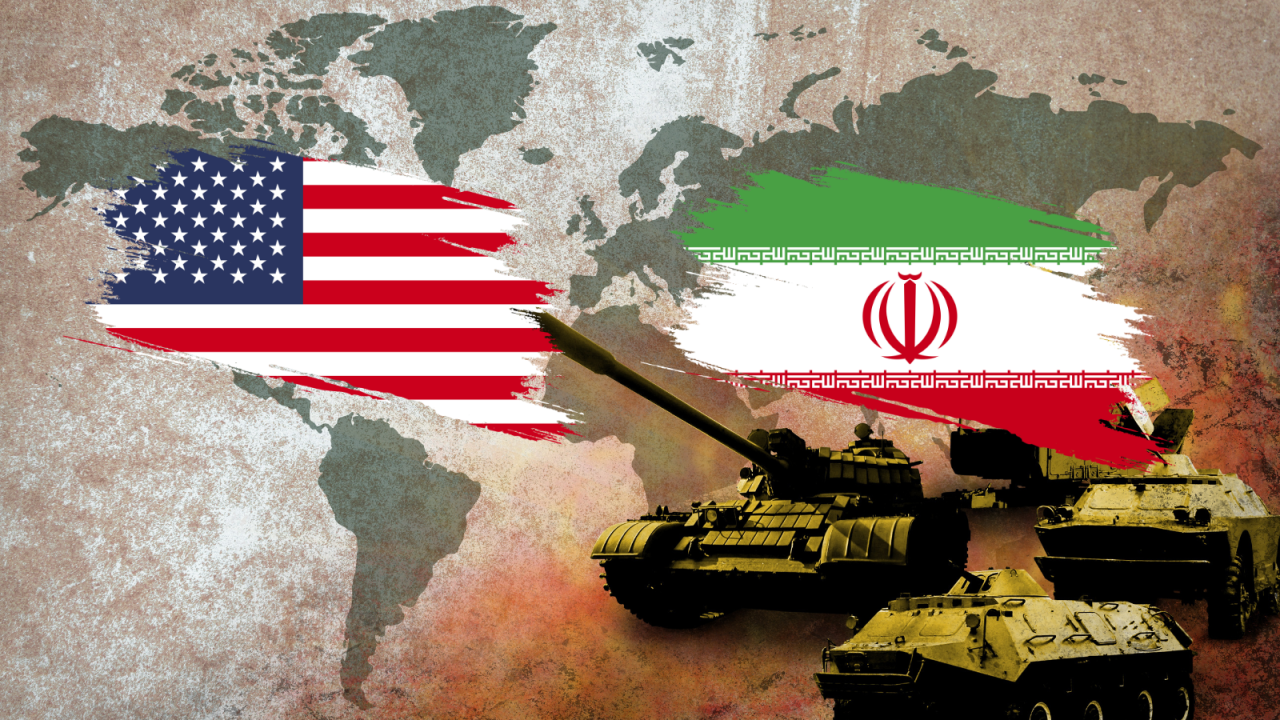
The unrest has also become a matter of international attention. US President Donald Trump has reportedly threatened direct intervention, but Khamenei has vowed not to bow to outside pressure. Analysts note that the demonstrations reflect deep frustration among Iranians over economic hardship and high living costs.
According to reports from international media outlets, including The Times and Iran International, there are concerns about Khamenei’s safety. Intelligence sources claim that if the protests escalate, Khamenei may consider fleeing the country. The reports suggest that he could travel with close family members and about 20 aides using a backup plane prepared for emergencies. The Iranian government has not confirmed these claims.
Meanwhile, the US State Department posted a message on French-language social media targeting Iran. The message hinted at continued monitoring and expressed concern over the handling of protests. The exact wording linked tensions to Trump-era policies.
As part of efforts to control the demonstrations, Iranian authorities have restricted internet access in key cities starting Sunday. Security forces in Tehran have also deployed missile and air defense units to prepare for any unexpected escalations. The government aims to maintain order while signaling its readiness to counter unrest with force if necessary.
Experts say the protests highlight the combination of economic and political pressures in Iran. Rising food and fuel prices, coupled with sanctions and currency depreciation, have pushed citizens to the streets. While some demonstrations remain peaceful, others have escalated into violent confrontations with security forces.
Local sources report that even rural areas are seeing protest activity. Citizens have blocked roads, burned tires, and organized rallies in town centers. The widespread nature of the unrest suggests that dissatisfaction is not limited to major cities but affects multiple layers of Iranian society.
Khamenei’s recent statements also underline the government’s hard stance. By labeling protesters as rioters, he has signaled that any opposition will face strict consequences. Observers say this rhetoric may intensify tensions rather than calm the population.
International observers warn that prolonged unrest could destabilize the region. Iran plays a central role in Middle Eastern politics, and internal crises can have wider geopolitical consequences. Neighboring countries and global powers are closely monitoring developments to understand potential security impacts.
The current situation shows a delicate balance. While the government seeks to enforce order and maintain control, citizens continue to voice frustration over high living costs and economic hardships. Analysts predict that unless significant economic relief measures are introduced, protests could continue for weeks.
For now, Iran remains under tight security and international scrutiny. Authorities are taking measures to prevent escalation, but the protests demonstrate the deep social and economic challenges facing the country.