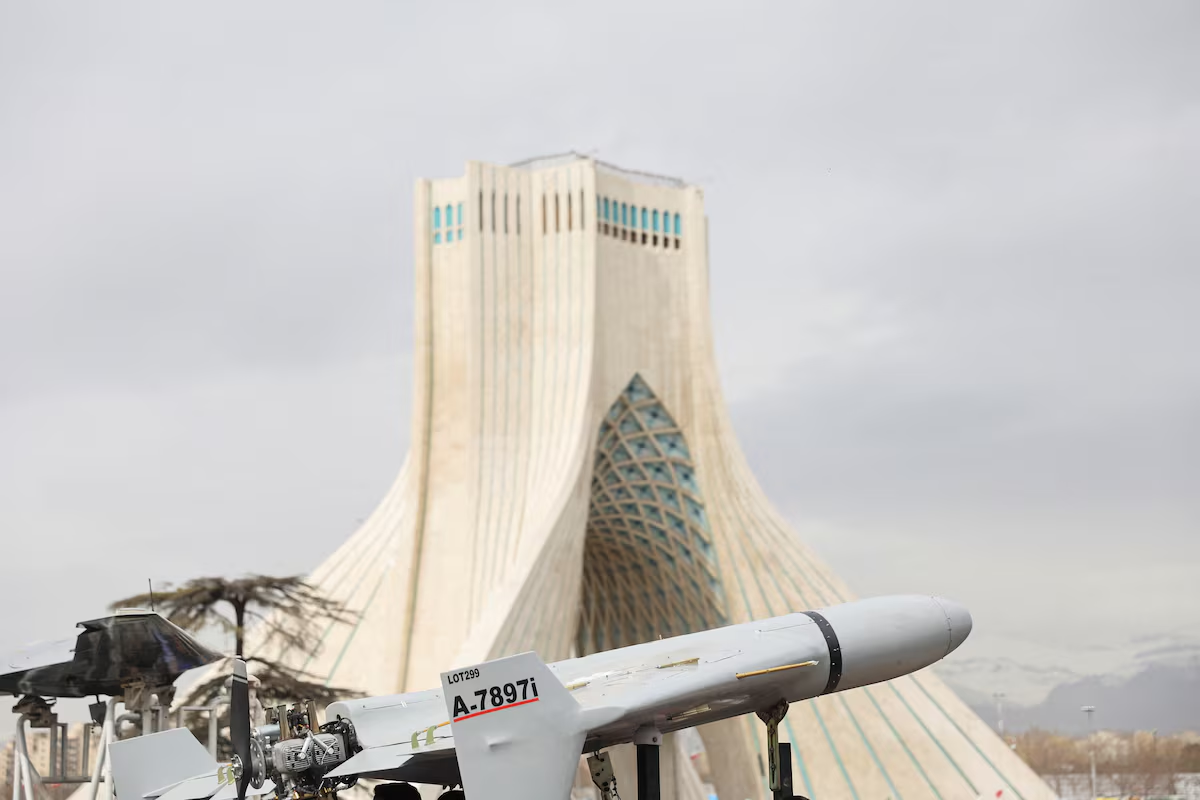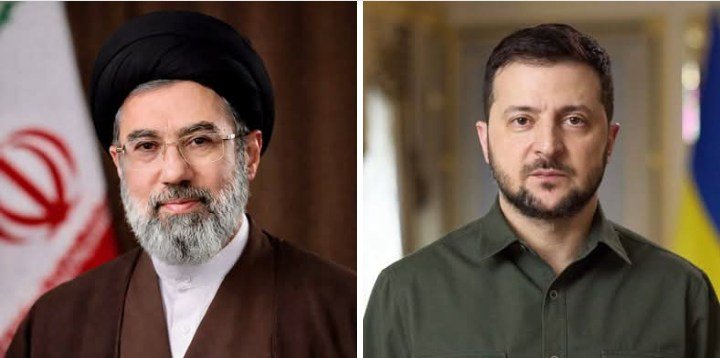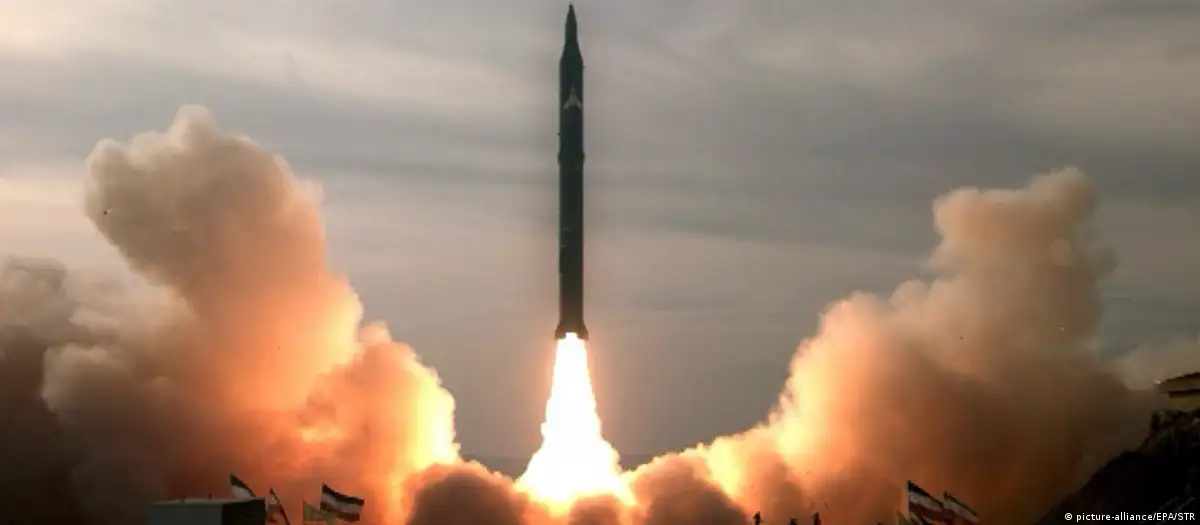

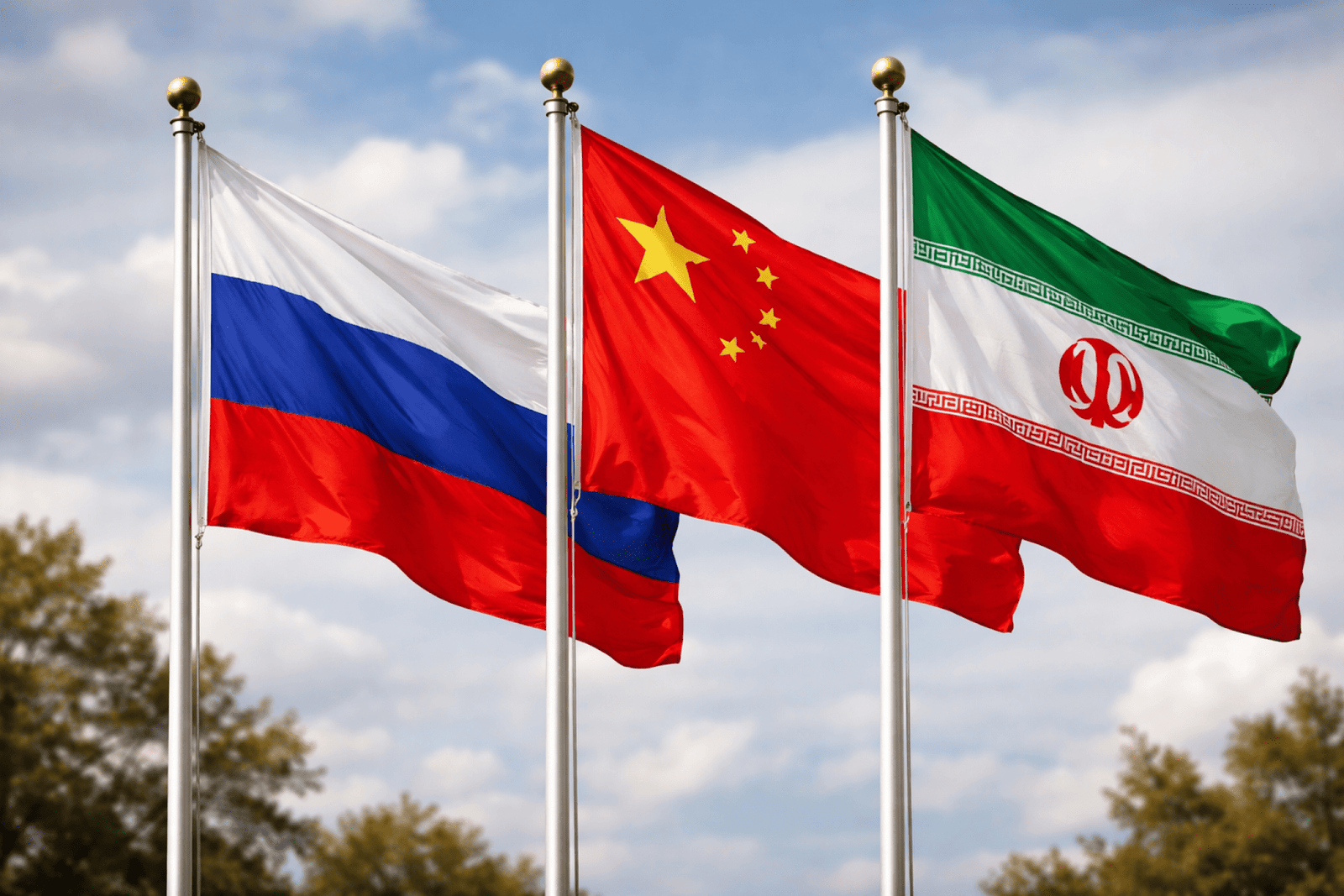
Amid escalating Middle East tensions, Iran has confirmed it receives military support from Russia and China while facing growing pressure from the United States and Israel.
According to Daljoog News analysis, Tehran’s statements reflect both a show of strength and a warning to regional neighbors as global powers navigate the crisis around the Persian Gulf.
The situation comes at a time when oil markets are highly sensitive, and the security of energy infrastructure across the Gulf has become a central concern for both regional and international stakeholders.
What Happened?
Iranian Foreign Minister Abbas Araghchi addressed the ongoing Gulf conflict on Friday, clarifying Tehran’s strategic partnerships and responding to regional accusations. He confirmed that Iran maintains military cooperation with Russia and China, though he did not provide specific details about the scope or type of assistance.
Araghchi also accused the United Arab Emirates of allowing U.S. forces to use its territory to carry out attacks on Iran. While denying plans to close the Strait of Hormuz entirely, he warned that any strikes on Iranian oil and energy infrastructure could trigger retaliatory actions across Persian Gulf energy facilities.
He further emphasized that the Islamic Revolutionary Guard Corps (IRGC) has made clear it will respond if critical energy infrastructure is targeted, including installations linked to U.S. companies or partners.
Why This Matters
Araghchi’s remarks highlight Iran’s reliance on strategic partners like Russia and China to navigate rising military and diplomatic pressures. The Persian Gulf region remains a key artery for global oil transport, meaning any disruption could create significant market instability.
Statements about retaliatory capabilities underline the risks to regional energy infrastructure, potentially affecting both international oil supply and investor confidence. Tensions involving Gulf neighbors, particularly the UAE, Qatar, Kuwait, and Saudi Arabia, further complicate the security landscape.
By publicly acknowledging these partnerships and warning of retaliation, Iran signals both deterrence and the potential for escalation if foreign powers continue military operations targeting its assets.
What Analysts or Officials Are Saying
Observers note that Iran’s confirmation of military ties with Russia and China is an effort to demonstrate resilience and leverage in the face of U.S.-led pressure. Analysts emphasize that Tehran’s warnings are carefully calibrated to deter attacks while avoiding a confrontation that could escalate into a wider regional conflict.
Officials in Gulf countries, however, dispute Iran’s allegations. The UAE has formally rejected claims that it facilitated attacks against Iranian territory, asserting that its policies prioritize both self-defense and regional stability. Other neighboring states maintain that they have not allowed civilian areas to be used for military operations.
Experts suggest that these conflicting narratives illustrate the delicate balance of power in the Persian Gulf, where military posturing, alliances, and diplomatic messaging intertwine.
Daljoog News Analysis
Iran’s positioning signals both strategic caution and an effort to solidify international support amid conflict. By linking its security to Russia and China, Tehran underscores its long-term partnerships while signaling to the U.S. and regional neighbors that aggressive actions may have consequences.
The rhetoric around retaliatory strikes also serves a dual purpose: to reassure domestic audiences of Iran’s defensive readiness and to influence international perceptions of deterrence. Oil markets are particularly sensitive to such statements, with even the threat of action in the Strait of Hormuz capable of triggering price volatility.
The Gulf remains a complex geopolitical arena where regional actors, global powers, and energy interests converge. Araghchi’s statements provide insight into how Iran navigates both diplomacy and military signaling in this high-stakes environment.
What Happens Next
Global attention will focus on whether Iran escalates its military posture in response to U.S. or Israeli actions. Retaliatory measures targeting energy infrastructure, if implemented, could spark wider regional tensions.
The United States, Israel, and Gulf states are likely to reassess operational risks, while China and Russia may continue providing diplomatic or military support behind the scenes.
Investors and policymakers will closely monitor statements from Tehran, as even limited disruptions in Gulf oil supply could impact global energy markets.
Tehran’s diplomatic engagement and strategic signaling will remain central to the unfolding security dynamics in the Persian Gulf, with both regional stability and international economic consequences at stake.