

Iran has launched a series of ballistic missile attacks across Israel, targeting multiple cities and bypassing the country’s layered air defense systems. The latest strike hit Haifa, resulting in at least two confirmed deaths.
According to Daljoog News analysis, the Haifa attack signals a dramatic escalation, highlighting the vulnerability of urban centers despite Israel’s sophisticated defense networks.
The strikes coincide with ongoing U.S.-Israel operations against Iranian targets, underlining the growing complexity and human cost of the conflict.
What Happened?
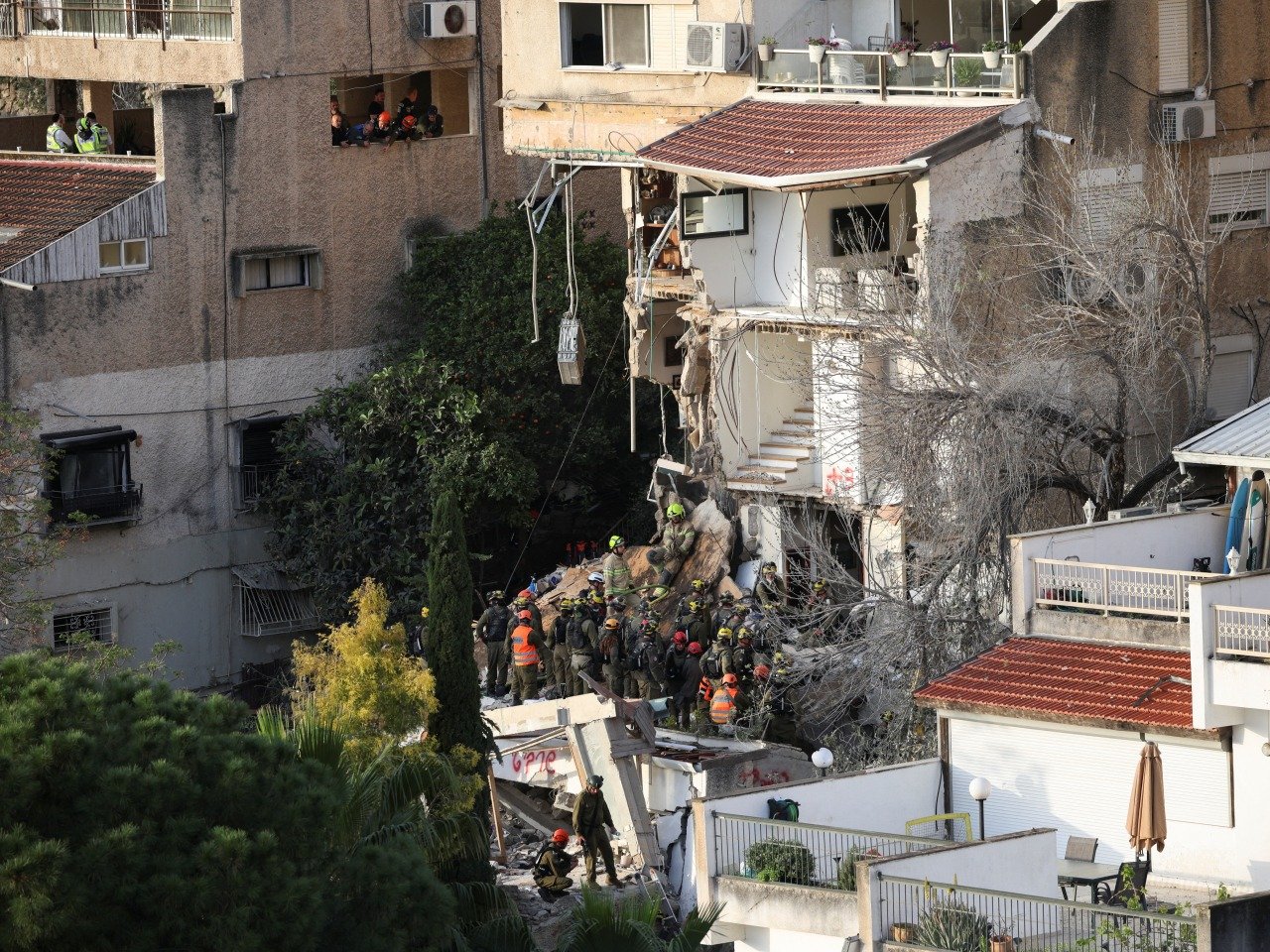
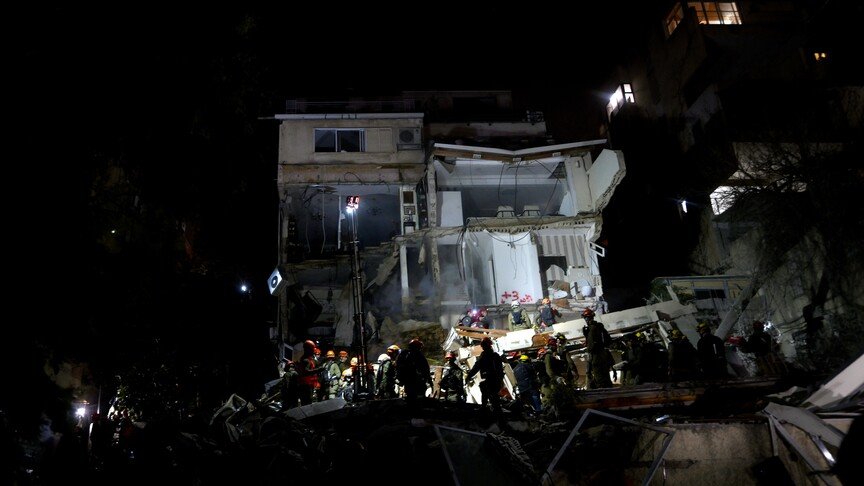
On Sunday, Iranian ballistic missiles struck a residential building in Haifa. The attack ignited a fire that caused the six-story structure to collapse. Rescue teams recovered two bodies from the rubble, while two others remain trapped as search operations continue.
Israeli media, including the Times of Israel, report that the attack demonstrates Tehran’s ability to strike strategic urban areas despite Israel’s multi-layered defense systems. The missiles reportedly caused widespread destruction in the neighborhood, leaving residents sheltering in bunkers.
Meanwhile, U.S. and Israeli forces continued airstrikes on Tehran. Reports indicate a missile hit a residential area in the Baharistan district, killing 13 people, including six children. These reciprocal strikes mark a sustained cycle of retaliation since the war began on February 28.
Why This Matters
The Haifa attack underscores the increasing human and infrastructural toll of the Israel-Iran conflict. Since February 28, Iranian attacks have reportedly killed 24 Israelis and injured over 6,500, though media restrictions suggest actual figures may be higher.
In Iran, the toll is even higher, with more than 2,000 dead and 25,000 injured by April 3. The pattern of attacks on civilian areas highlights the potential for the conflict to expand, threatening regional stability and prompting international concern.
What Analysts or Officials Are Saying
Security analysts note that Tehran’s ability to bypass Israel’s air defenses represents a significant tactical challenge. Some observers believe the intensity of missile strikes may force Israel to reconsider defense postures and urban evacuation strategies.
Meanwhile, humanitarian organizations have raised alarms about civilian casualties, emphasizing the urgent need for measures to protect noncombatants.
Daljoog News Analysis
The Haifa attack exemplifies the war’s escalating urban dimension. Missile strikes on residential areas not only increase casualties but also strain emergency services and infrastructure.
The conflict’s asymmetric nature, with Iran targeting urban centers and Israel striking military and civilian areas in retaliation, raises broader ethical and strategic questions. While Israel possesses advanced defenses, repeated breaches demonstrate the limits of technological protection in dense cityscapes.
Daljoog News notes that the psychological impact on civilians is substantial, with daily life disrupted and uncertainty mounting in both countries. The conflict is increasingly multidimensional, involving conventional strikes, missile warfare, and international pressure.
What Happens Next
Rescue operations in Haifa continue, with authorities focused on recovering trapped residents. Both sides are likely to maintain or escalate strikes, keeping urban areas on high alert.
International observers and humanitarian agencies may push for de-escalation or mediation, but with casualties mounting, the conflict shows little sign of immediate resolution. Monitoring missile activity, civilian safety measures, and diplomatic responses will be critical in the coming days.