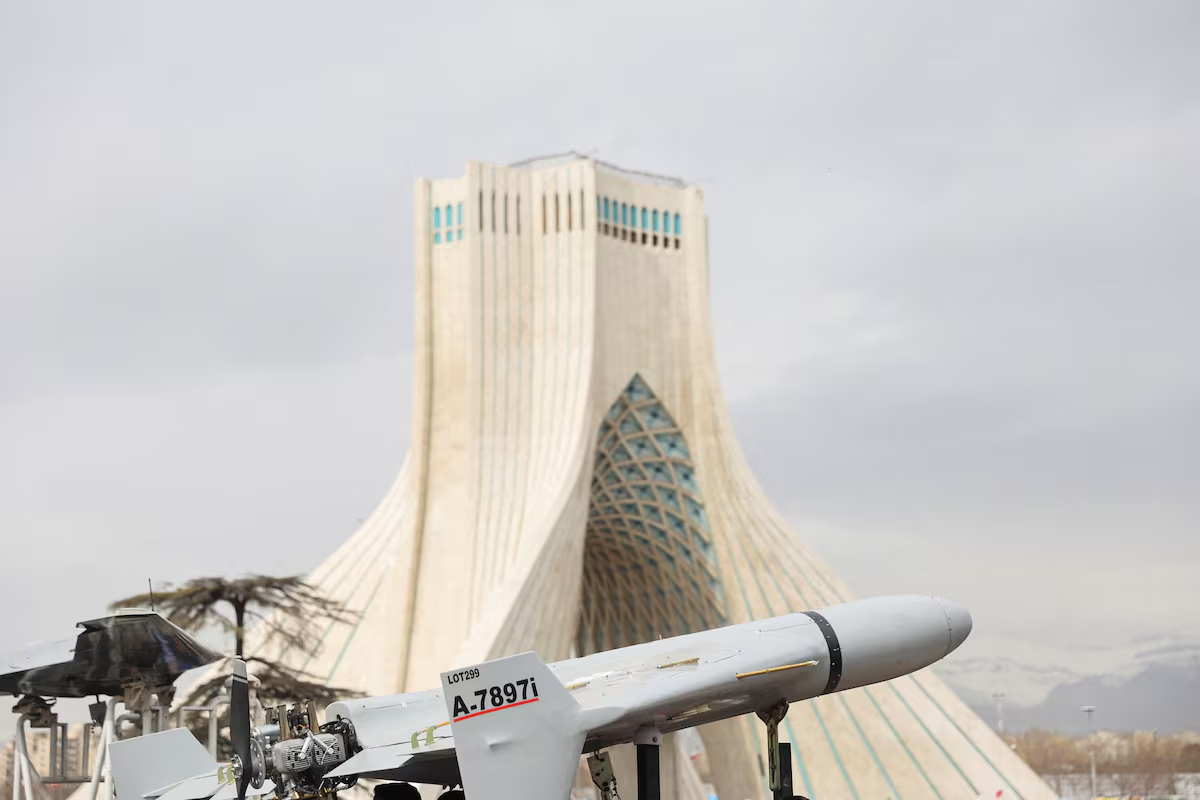
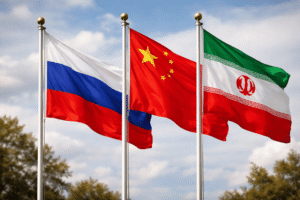


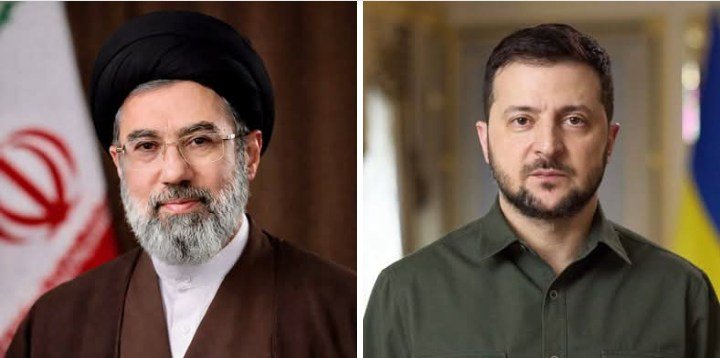
Amid escalating tensions in the Middle East, Iran has issued a direct threat to Ukraine, accusing Kyiv of providing drones and anti-aircraft support to Israel.
According to Daljoog News analysis, this marks a dramatic widening of the conflict, signaling that Tehran views nations previously considered neutral as active participants.
The development adds a new layer to regional instability, with the possibility of the confrontation extending beyond traditional theaters into Europe’s geopolitical sphere.
What Happened?
Iran’s National Security Commission head, Ebrahim Azizi, declared that Ukraine is no longer a passive observer but is engaged in supporting Israel’s military operations. Tehran cited Article 51 of the UN Charter, claiming it grants the right to strike Ukrainian targets if perceived as aiding adversaries.
The warning comes after Ukrainian officials reportedly proposed sending drones, interceptor systems, and anti-aircraft teams to protect U.S. assets in the Persian Gulf, raising alarms in Tehran.
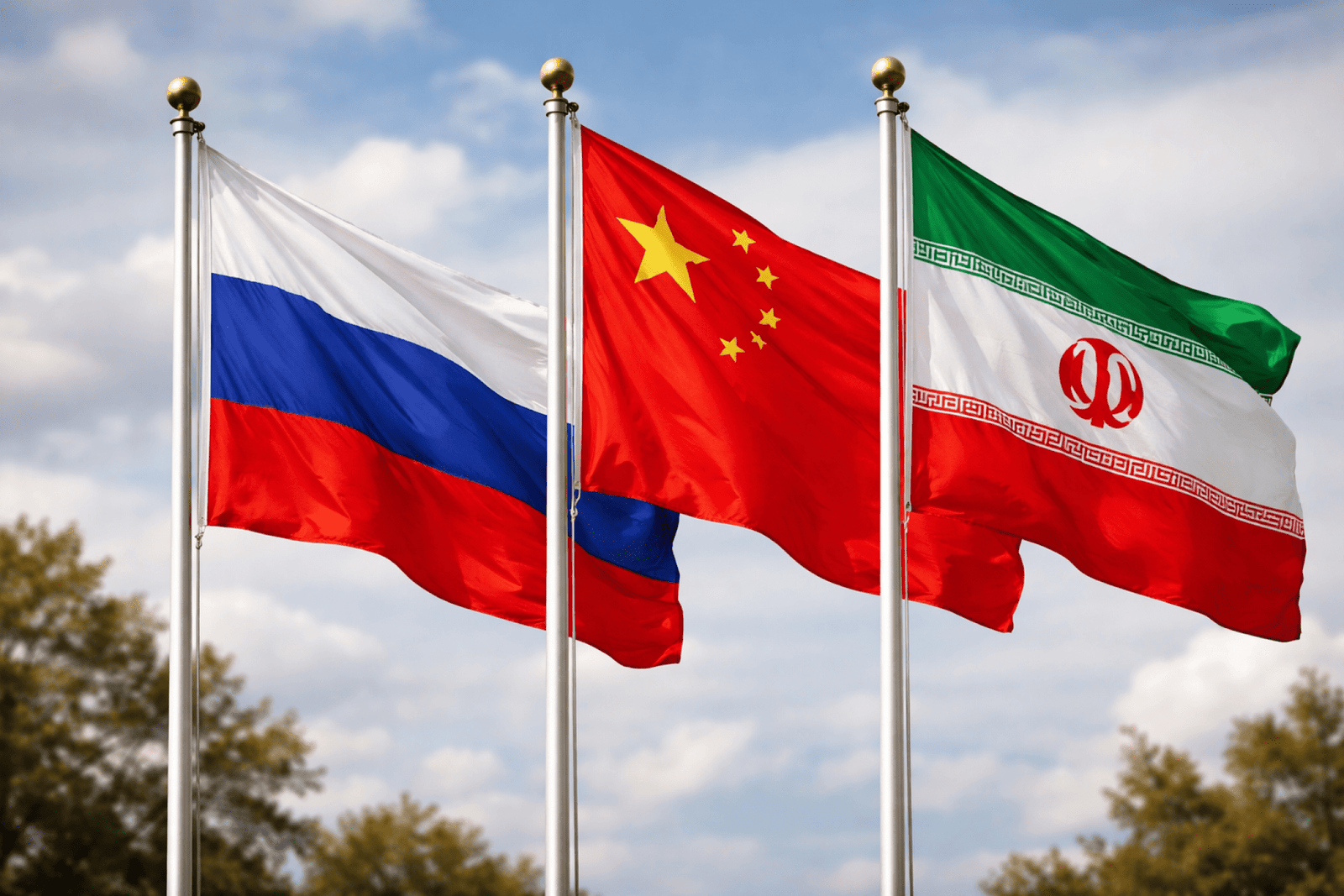
U.S. President Donald Trump quickly rejected Ukraine’s offer, stating that America leads the world in drone technology and external support was unnecessary. Meanwhile, Russia has openly aligned with Iran, further complicating the regional balance.
Why This Matters
The escalation signals a significant expansion of the Middle Eastern conflict into global geopolitical arenas. Ukraine, traditionally focused on its own regional security, is now caught in a high-stakes standoff between Iran, Israel, and their global allies.
Tehran’s warning demonstrates how accusations of military support, even indirect, can provoke threats far beyond the immediate battlefield. It also underscores the strategic role of drone and anti-aircraft technology in modern conflicts.
The dispute raises concerns about potential retaliatory actions, not just in the Middle East but across allied nations, making the situation unpredictable for both military planners and international diplomats.
What Analysts or Officials Are Saying
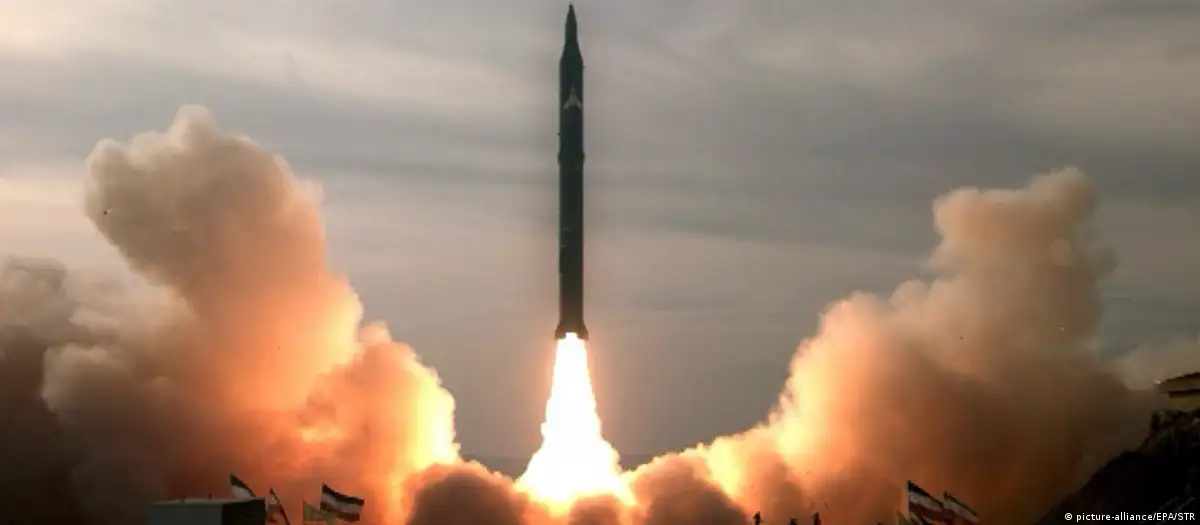
Experts suggest that Iran’s move is both a warning and a demonstration of its willingness to act against perceived enablers of its adversaries. Analysts note that such threats to Ukraine reflect Tehran’s confidence in leveraging asymmetric tactics, including the potential use of long-range missiles or drone strikes.
Meanwhile, U.S. officials have reaffirmed their technological edge, highlighting that Kyiv does not require independent military intervention. Analysts caution, however, that the rhetoric itself can trigger miscalculations or accidental escalation.
Daljoog News Analysis
Iran’s targeting of Ukraine illustrates how modern conflicts are increasingly transnational. Nations providing indirect support to adversaries of Tehran risk being drawn into confrontation.
This situation also highlights the influence of global alliances. Russia’s open backing of Iran, contrasted with U.S. support for Israel, is creating a multi-layered confrontation that could have ripple effects far beyond the Middle East.
In essence, Ukraine’s position now exemplifies the vulnerability of smaller or secondary powers caught between global rivals, where even peripheral involvement can attract severe threats.
What Happens Next
The immediate risk lies in miscalculation. Tehran’s threats may remain rhetorical, but continued involvement of Ukraine could provoke diplomatic or limited military responses.
The international community, particularly the UN and NATO partners, will need to monitor the situation closely to prevent further escalation. Observers also anticipate heightened cyber and technological warfare, including drone and counter-drone measures, as the conflict broadens.
This episode underscores how Middle Eastern conflicts are no longer contained regionally; they have become globalized, with technology, alliances, and strategic calculations extending far beyond their original theaters.