

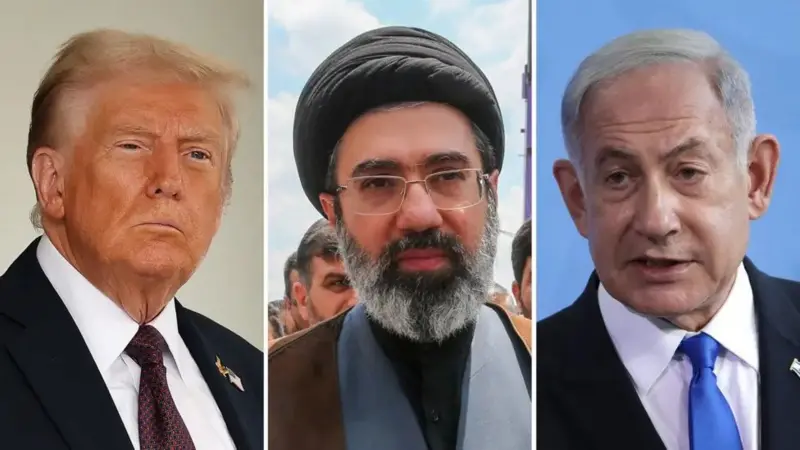
Iran, the United States, and Israel continue to escalate military actions in the Middle East, exchanging strikes and counterstrikes across the region. The confrontations highlight the volatile balance of power and the growing intensity of hostilities.
According to Daljoog News analysis, the current cycle of attacks reflects more than tactical clashes—it underscores a broader struggle for regional influence, where neither side is willing to show restraint. Observers note that the conflict’s dynamics resemble a high-stakes chessboard, with every move prompting an immediate counter.
The ongoing escalation raises pressing questions about the conflict’s duration and wider consequences. Experts warn that, without careful diplomacy or intervention, the hostilities could extend well into the summer, affecting energy markets, regional security, and international relations.
What Happened?
Over recent weeks, Iran and Israel have carried out reciprocal strikes in response to perceived provocations, while the United States has reinforced its military posture in strategic locations. Both sides are deploying advanced missile systems and intelligence assets, signaling an intent to maintain operational pressure.
The confrontations include targeted attacks on military infrastructure, border installations, and naval operations, with each action met by immediate retaliation. Analysts report that casualties and material losses are mounting, though precise figures remain contested due to the region’s restricted reporting environment.
Amid this cycle, the Commonwealth Bank of Australia’s geopolitical analyst, Madison Cartwright, has suggested that the conflict may not resolve quickly. Her projections indicate that without diplomatic breakthroughs, the hostilities could last into June or longer, making this one of the most sustained periods of tension in the region in recent years.
Why This Matters
The continuation of military exchanges carries both regional and global implications. Middle Eastern nations face mounting security risks, while energy markets are already reacting to the threat of disruption in key oil transit routes.
For international powers, the conflict complicates foreign policy and military commitments. The United States, for example, is navigating a delicate balance between deterrence and escalation, while regional allies monitor the situation closely to safeguard their own strategic interests.
Extended conflict also heightens humanitarian concerns, with civilian infrastructure, hospitals, and ports increasingly vulnerable to indirect damage. Economic disruptions and population displacement could compound instability, creating long-term challenges for recovery and development.
What Analysts or Officials Are Saying
Experts caution against underestimating the conflict’s potential persistence. Cartwright emphasized that historical patterns, including previous U.S. trade and foreign policy decisions, suggest that leaders cannot easily disengage from ongoing crises once military actions are underway.
Officials from the Commonwealth Bank and other institutions note that multiple variables—including regional alliances, domestic political pressures, and international sanctions—will influence the duration and intensity of the fighting. Analysts warn that the situation is unlikely to be resolved through a single decisive strike or negotiation, underscoring the need for sustained monitoring and contingency planning.
Daljoog News Analysis
The Middle East conflict demonstrates a dangerous cycle of escalation that challenges conventional expectations of diplomacy. Unlike past incidents where last-minute de-escalation occurred, current indicators suggest both Iran and Israel are prepared for prolonged engagements.
Daljoog News analysis finds that U.S. political leaders, despite prior approaches to foreign conflicts, cannot unilaterally withdraw without risking both strategic and reputational consequences. The interplay of military readiness, regional alliances, and economic leverage makes the situation highly complex. Investors, policymakers, and international observers should anticipate volatility in both regional security and global markets.
What Happens Next
Looking ahead, the conflict may intensify before any diplomatic resolution is reached. Key developments to watch include potential mediation efforts by regional powers, shifts in U.S. military strategy, and economic signals from global energy markets.
Continued hostilities through June or beyond could pressure international institutions to engage more directly, while local governments may adjust internal security protocols. Analysts advise tracking both military movements and political messaging, as these indicators will likely shape the trajectory of the crisis in the coming months.