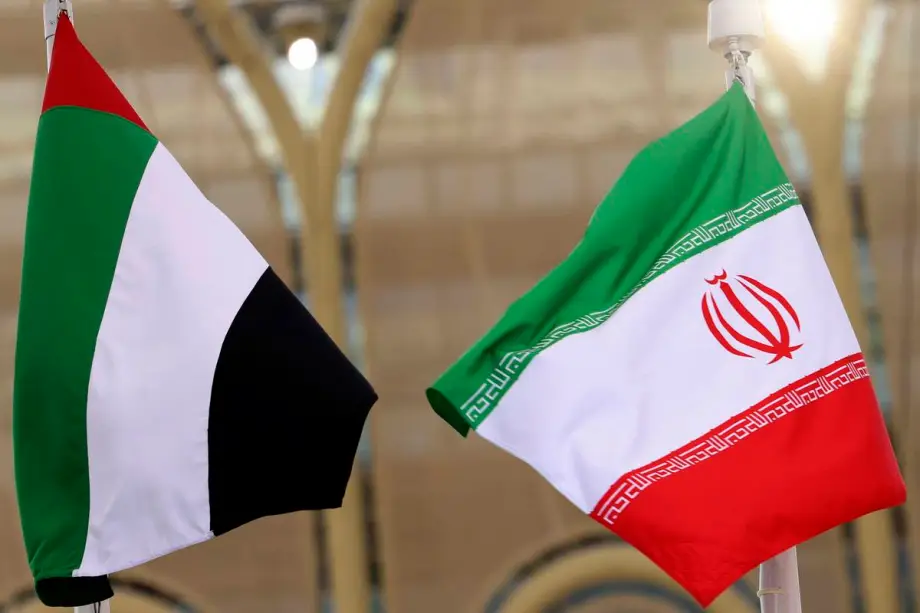


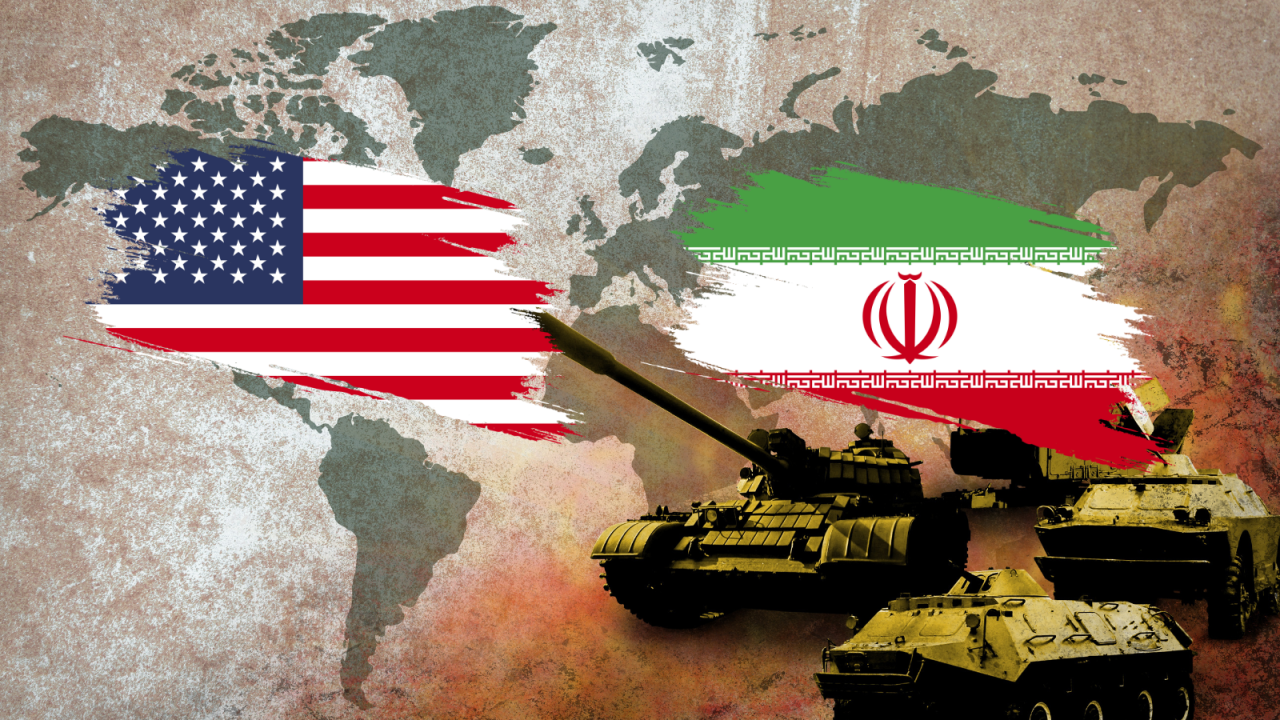
Efforts by the United States and Israel to contain Iran are encountering unanticipated challenges. Iran has successfully rallied allies across Lebanon, Iraq, and Yemen, transforming what was intended as a localized confrontation into a multi-front conflict.
According to Daljoog News analysis, the strategy that Washington and Tel Aviv envisioned—a swift, controlled operation to isolate Iran—has backfired. Instead of pressure, the US-Israel coalition now faces sustained resistance and escalating risks, with key trade routes and military theaters under threat.
This unfolding situation highlights how regional alliances and proxy networks are reshaping Middle Eastern dynamics. The stakes extend beyond immediate combat, potentially affecting global shipping, energy supplies, and international markets.
What Happened?
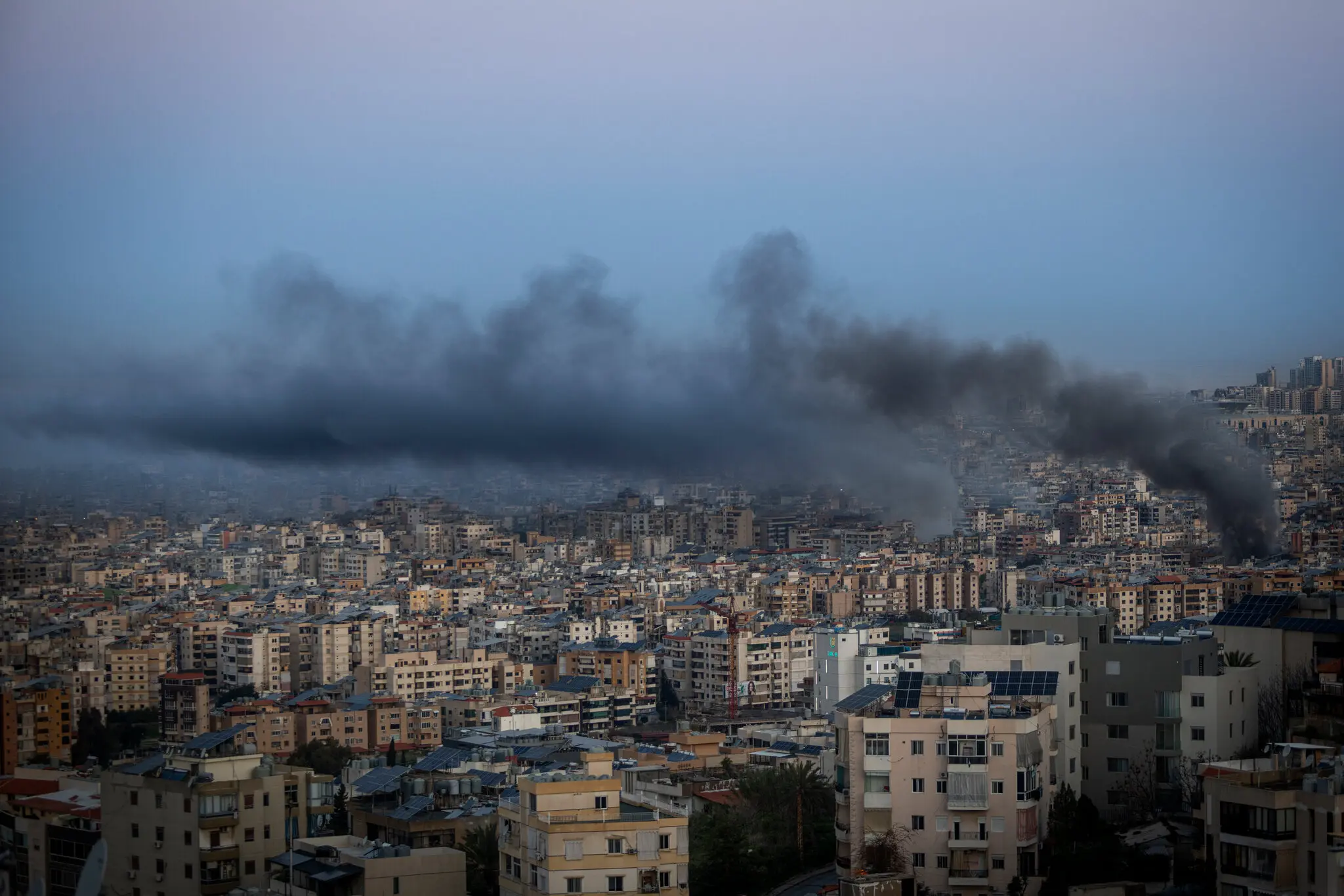
The conflict initially centered on US-Israel efforts to neutralize Iran’s influence. Lebanon became the first flashpoint, with Israel launching repeated airstrikes and limited ground operations aimed at curbing Hezbollah. Despite significant destruction, Hezbollah has successfully resisted, prolonging engagements and frustrating Israeli objectives.
Iraq has emerged as the second major theater. Iran-aligned militias are now actively targeting American interests, effectively turning Iraqi territory into an extension of Iran’s strategic operations. Any direct US strike risks escalation beyond a contained conflict, as Iran has integrated Iraq into its defense and response network.
Meanwhile, Yemen’s Ansar Allah / Houthis has joined Iran’s campaign. Analysts warn that this could threaten the Bab el-Mandeb Strait, a critical chokepoint for global maritime trade. Disruption in this corridor would ripple worldwide, raising shipping costs, extending transit times, and inflating fuel and goods prices.
Why This Matters
Iran’s multi-front approach undermines US and Israeli plans for a controlled confrontation. The conflict’s expansion threatens regional stability and economic security far beyond the Middle East.
For the US and Israel, prolonged engagements drain resources and morale. For global markets, potential disruptions in key shipping lanes could increase commodity prices and create logistical bottlenecks. Iran’s strategy demonstrates how asymmetric alliances can challenge even the most technologically advanced militaries.
What Analysts or Officials Are Saying
Experts highlight that Iran’s approach is deliberate: by dispersing the conflict across multiple fronts, it maximizes pressure on its adversaries while minimizing direct exposure to superior airpower. Analysts agree that neither side is likely to achieve a decisive victory quickly, and the pattern suggests a drawn-out conflict with widespread consequences.
Officials caution that continued escalation in Lebanon, Iraq, and Yemen could spark broader regional instability. While Israel maintains localized operational goals, Iran’s coordinated alliances complicate containment strategies.
Daljoog News Analysis
Daljoog News observes that Iran is leveraging strategic patience and proxy networks to offset conventional military disadvantages. The US and Israel initially underestimated the cohesion and resilience of Iran-aligned groups.
This pattern reflects a larger lesson in modern warfare: conflicts are no longer confined to national borders. Strategic influence, proxy coordination, and control of economic choke points now shape outcomes as much as direct military power.
The ongoing escalation also signals to the international community that interventions aimed at quick victories may backfire, creating prolonged uncertainty and compounding risks for civilians and regional partners.
What Happens Next
The coming weeks will test the limits of containment. Iran’s allies in Iraq and Yemen may continue offensive operations, while Lebanon remains a stubborn battleground. Any escalation targeting critical maritime routes could trigger global economic reverberations.
Observers expect heightened diplomatic efforts from regional and international powers seeking to mediate or de-escalate tensions. However, with both sides entrenched and proxy networks active, the outlook points toward sustained instability rather than swift resolution.