


Iran has pledged to continue military attacks on United States bases across the Middle East after the reported killing of Supreme Leader Ayatollah Ali Khamenei in a joint Israeli and American strike. The announcement signals that the conflict may expand rather than wind down, despite early speculation that the war could soon end.
According to Daljoog News analysis, Iran’s leadership transition and renewed military posture indicate that Tehran intends to demonstrate resilience and maintain strategic pressure on both Israel and Washington.
The development comes at a sensitive moment for regional stability. With missile and drone attacks targeting American facilities in several Middle Eastern countries, the confrontation is beginning to carry wider geopolitical and economic consequences.
What Happened?
Following the reported death of Iran’s Supreme Leader Ayatollah Ali Khamenei, analysts initially expected that the conflict between Iran and Israel might de-escalate.
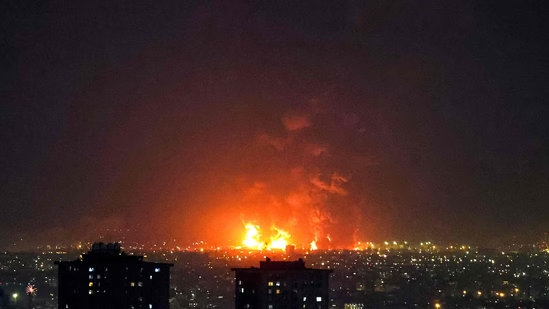
Instead, Iran’s Islamic Revolutionary Guard Corps quickly announced that military operations would continue. Since then, Tehran has reportedly launched multiple rounds of attacks targeting US military positions across the Middle East.
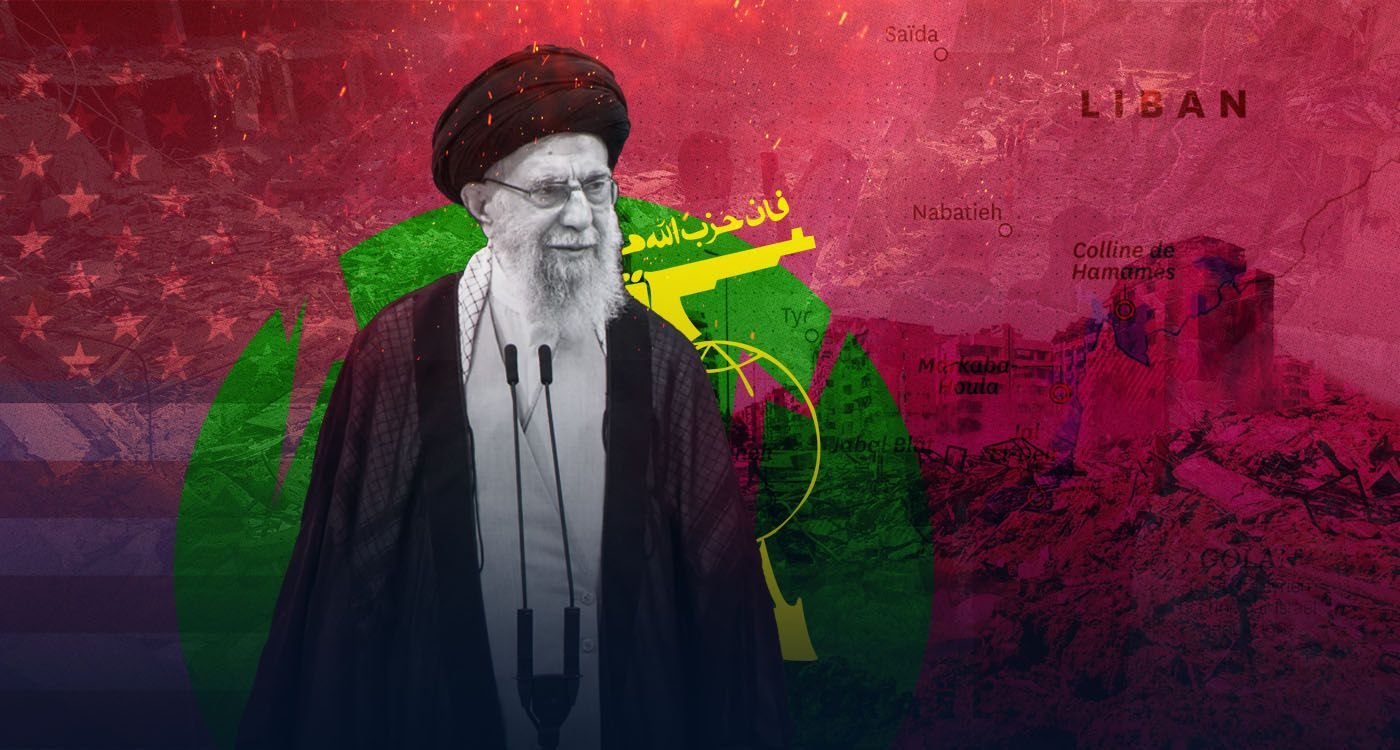
In his first public address as Iran’s new supreme leader, Mostafa Khamenei — the son of the late leader — declared that operations against American military bases in the region would proceed regardless of the cost.
Iranian state messaging has framed the campaign as retaliation for the killing of its top leader and as part of a broader effort to push US military forces out of the region.
Meanwhile, US media reports suggest that Washington has given Israel roughly one week to bring the war under control. American officials reportedly believe the conflict risks escalating into a prolonged regional confrontation.
Why This Matters
The continuation of Iranian attacks dramatically increases the risk of a wider regional war.
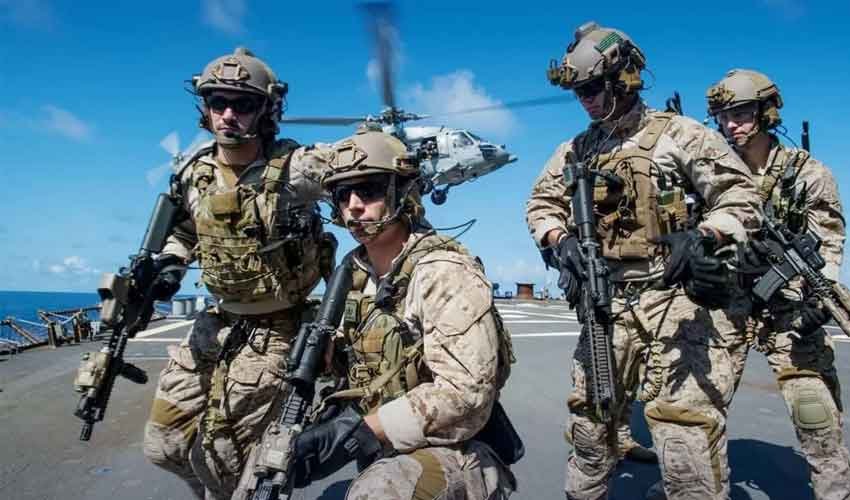
US military installations across the Middle East serve as logistical and strategic hubs for American operations. Sustained strikes on those facilities could draw Washington deeper into confrontation with Iran.
At the same time, the situation highlights divisions within the Western alliance.
According to several reports, Washington appears increasingly concerned about the global economic consequences of the conflict, particularly its impact on energy markets.
Israel, however, maintains that its military campaign has achieved significant strategic gains and may seek to continue operations until it believes Iran’s military capabilities are substantially weakened.
The Middle East remains a central artery for global oil supplies. Any prolonged instability in the region can quickly ripple through global energy markets.
What Analysts or Officials Are Saying
Officials in Washington reportedly believe that a direct military campaign aimed at overthrowing Iran’s current government would require a large-scale ground invasion.
Security analysts note that such an operation would be costly and politically risky, making it unlikely under current conditions.
Another theoretical pathway to regime change would involve widespread domestic unrest within Iran. However, current intelligence assessments suggest there are no immediate signs of a nationwide uprising capable of destabilizing the government.
These factors have led many analysts to conclude that Iran’s current leadership structure is likely to remain intact in the near term.
Reports from US political media outlets also suggest that policymakers may have underestimated the broader economic consequences of the conflict before it began.
Daljoog News Analysis
The emerging disagreement between Washington and Tel Aviv reflects a deeper strategic divide.
For Israel, the conflict represents a critical security confrontation with a regional rival that has long supported armed groups across the Middle East.
For the United States, however, the calculation is more complex.
Beyond military considerations, Washington must also weigh the impact of the conflict on global financial markets, energy prices, and domestic political stability.
This tension may explain why American leadership has occasionally signaled interest in limiting the duration of the war even while continuing to support Israel’s operations.
The situation also highlights a broader reality of modern geopolitics: regional wars increasingly carry immediate global economic consequences.
Energy markets respond quickly to instability in the Gulf and surrounding regions, and governments must manage those ripple effects carefully.
What Happens Next
In the short term, the conflict is likely to remain volatile.
Iran may continue targeting American facilities and regional allies as part of its strategy to demonstrate military reach and deterrence.
At the same time, diplomatic pressure could increase on both Israel and Iran to limit escalation.
Energy markets will remain particularly sensitive to developments in the conflict. Even limited disruptions to supply routes or production facilities can trigger rapid price movements.
The United States may also continue using strategic petroleum reserves to stabilize domestic fuel prices if market volatility persists.
Ultimately, the coming weeks will determine whether the confrontation evolves into a broader regional war or gradually shifts toward diplomatic negotiations.