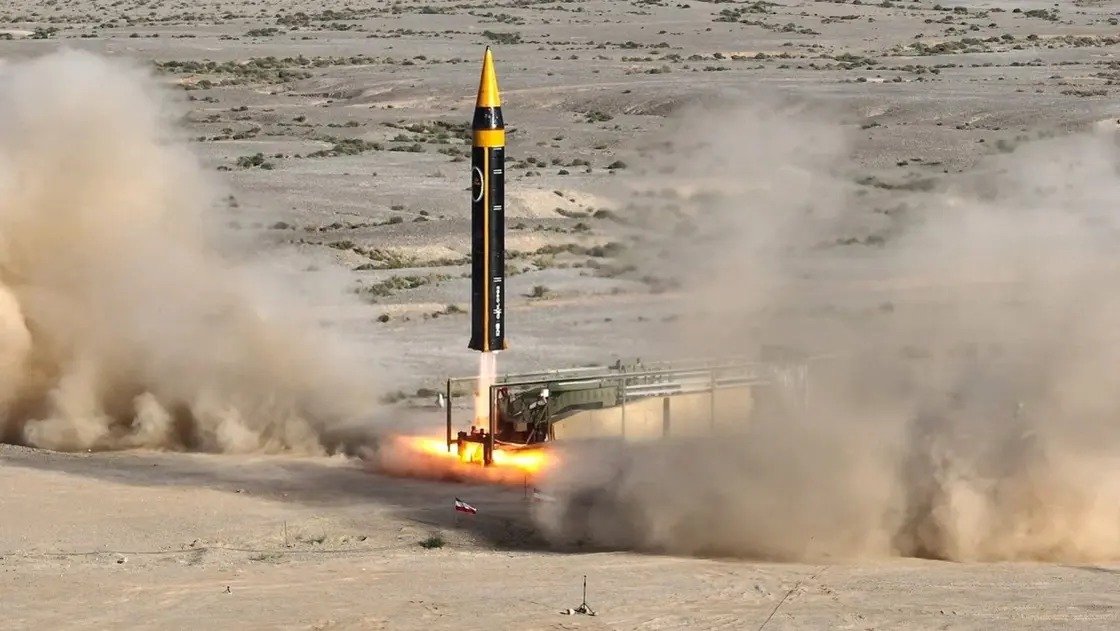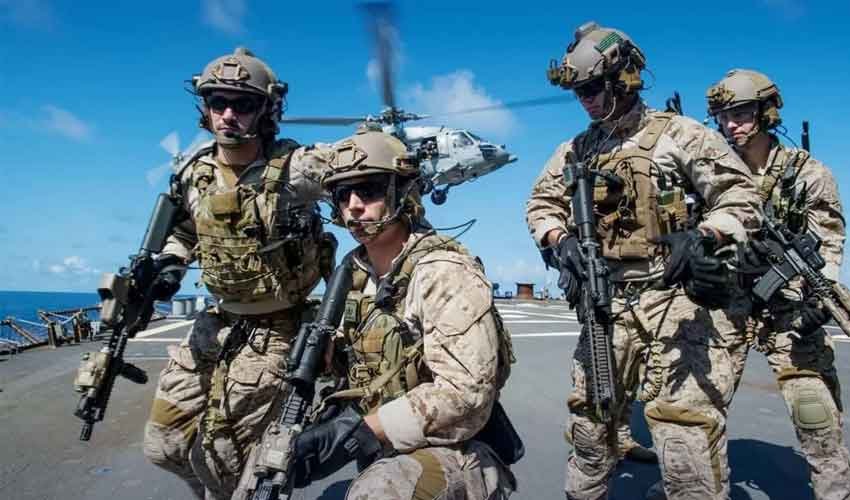

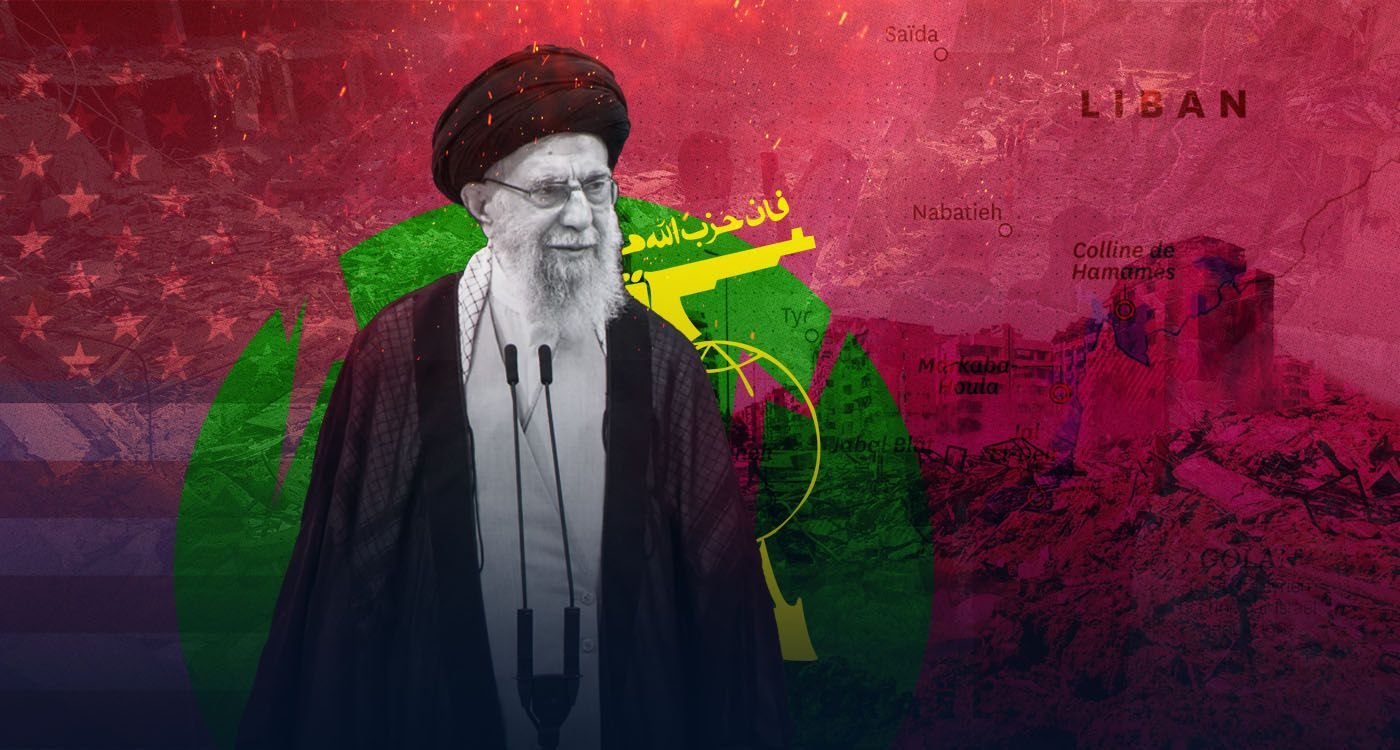
A powerful animation video created by a Bangladeshi digital artist has gone viral online as the Iran war enters its third week, drawing widespread attention across social media platforms. The short video portrays a symbolic narrative linked to the reported killing of Iran’s Supreme Leader and the continuing conflict involving Israel and the United States.
According to Daljoog News analysis, the viral spread of the animation illustrates how digital storytelling is shaping public perception of modern conflicts, especially when geopolitical events intersect with emotionally charged visuals.
The video has circulated widely on Facebook and other platforms, showing how independent creators are increasingly influencing global conversations about war, leadership, and generational loss.
What Happened?
On March 14, a Bangladeshi content creator known online as Arkshiyab uploaded an animated video addressing the ongoing Iran war.
The video, titled “The Return of Khamenei,” quickly spread across social media and gained significant traction among viewers discussing the conflict.
The animation opens with a symbolic scene in which the late Iranian Supreme Leader slowly approaches a child who is playing on the floor. The scene portrays a quiet moment that abruptly changes when fighter jets appear overhead.
Moments later, an airstrike devastates the location, destroying both the elderly figure and the child. The sequence visually represents the loss of both leadership and the next generation.
The imagery appears to reference a reported joint attack carried out by Israel and the United States on February 28 that allegedly killed Iran’s long-time Supreme Leader and struck several locations across the country.
The video also includes scenes portraying celebrations in Washington after the reported killing of the Iranian leader, followed by a dramatic twist in which another figure wearing the same clothing rises from the rubble.
In the final moments, the figure lifts the Iranian flag and delivers a message suggesting that the leadership has returned.
Why This Matters
The rapid spread of the animation highlights the growing role of digital media in shaping narratives around international conflicts.
Unlike traditional news reports, animated storytelling can condense complex geopolitical events into emotionally powerful visuals that resonate with audiences across cultures.
For many viewers, the video serves as a symbolic interpretation of Iran’s leadership transition and the country’s vow to continue resisting military pressure.
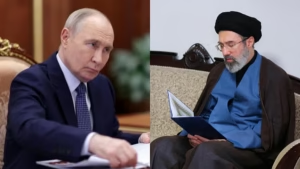
The story portrayed in the animation references the rise of Mostafa Khamenei, who is depicted as taking over leadership after the death of his father.
Such portrayals contribute to how online audiences interpret leadership changes during wartime.
At the same time, viral content related to conflicts can influence public sentiment, amplify political messaging, and sometimes blur the line between artistic expression and political narrative.
What Analysts or Officials Are Saying
Media analysts say the viral spread of the video reflects a broader trend in which social media creators play an increasingly visible role in international discourse.
Platforms like Facebook allow independent voices to reach global audiences without relying on traditional media distribution networks.
Political communication experts note that such content often spreads rapidly because it combines storytelling, symbolism, and emotional imagery.
At the same time, analysts caution that viral content related to wars should be viewed carefully, as it may blend artistic interpretation with political messaging.
Government officials and international observers have not formally commented on the animation itself, but the video continues to circulate widely in discussions about the ongoing conflict.
Daljoog News Analysis
The viral animation underscores how modern conflicts now unfold not only on battlefields but also across digital platforms.
Public narratives about wars are increasingly shaped by videos, animations, and social media commentary created far from the actual conflict zones.
This dynamic creates both opportunities and risks.
On one hand, digital creators can raise awareness about humanitarian consequences and highlight emotional realities that statistics alone cannot convey.
On the other hand, highly symbolic storytelling may simplify complex geopolitical dynamics or reinforce particular political viewpoints.
In the case of this animation, the narrative appears designed to illustrate resilience and continuity in Iranian leadership despite major losses.
The portrayal of a new leader rising from the rubble carries a powerful symbolic message that resonates strongly with audiences following the conflict.
What Happens Next
The video is likely to continue circulating online as the Iran war develops.
If the conflict intensifies, similar content from creators around the world may emerge, offering different interpretations of the unfolding events.
Social media platforms are expected to remain central spaces where public opinion, political narratives, and emotional responses to the war collide.
For policymakers and analysts, the trend highlights an important reality: public perception of international conflicts is increasingly shaped not only by official statements and traditional journalism but also by independent digital storytelling.