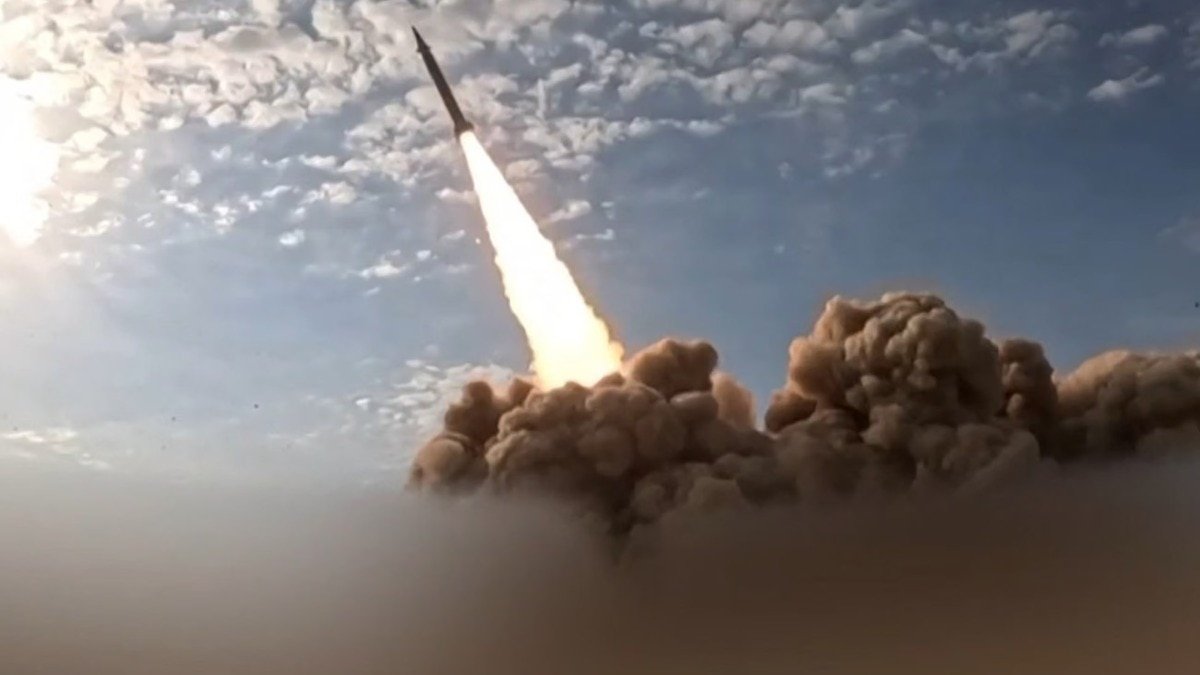


Iran’s Islamic Revolutionary Guard Corps (IRGC) has issued a warning to countries supporting the United States and Israel over ship movements through the Strait of Hormuz. The announcement signals tighter control over one of the world’s most critical energy routes.
According to Daljoog News analysis, the warning reflects a strategic escalation aimed at pressuring rivals while maintaining selective access for neutral or friendly nations.
The development comes at a time of rising regional tensions, where control over maritime routes is becoming a key factor in both military and economic calculations.
What Happened?
The IRGC announced that vessels linked to allies or supporters of the United States and Israel would not be allowed to pass through certain corridors of the Strait of Hormuz. The statement was carried by Iranian state-linked media outlets.
Iranian authorities indicated that the waterway is effectively restricted and warned that any vessel violating the directive could face direct action. The message was framed as part of a broader response to what Tehran describes as military pressure from its adversaries.
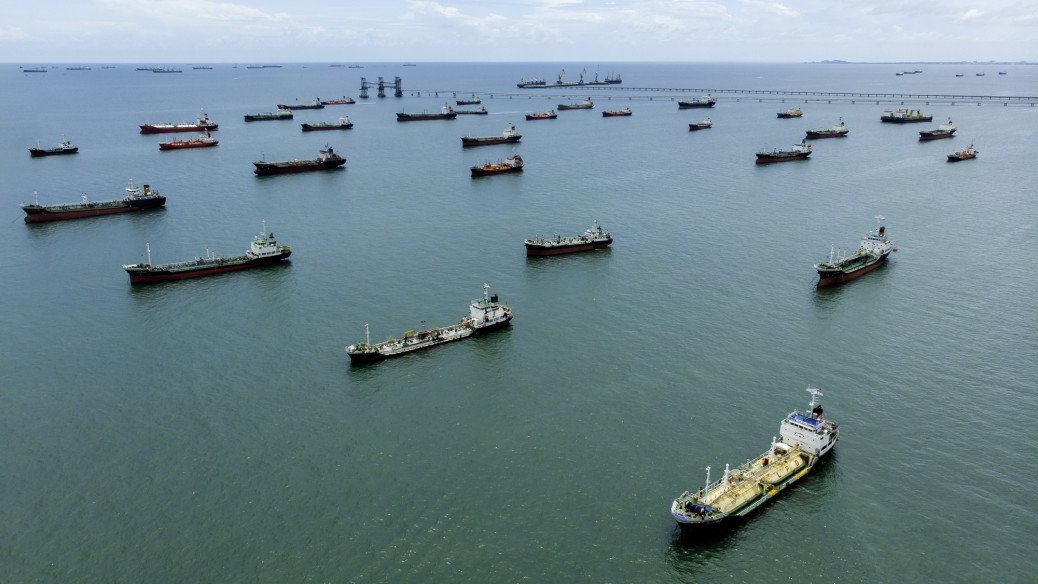
Following the warning, reports suggest that at least three container ships altered their routes in response to increased risk in the strait. While details remain limited, the incident highlights the immediate impact of such announcements on global shipping behavior.
At the same time, Iran stated that vessels not connected to the United States or Israel may still be allowed to transit. Tehran emphasized that it retains full control over access and movement within the waterway.
Why This Matters
The Strait of Hormuz is one of the most vital chokepoints in global trade. Around one-fifth of the world’s oil and a significant portion of liquefied natural gas pass through this narrow corridor.
Any disruption, even partial, can quickly affect global energy prices and supply chains. Shipping companies often respond immediately to risk signals, rerouting vessels or delaying shipments.
The warning also introduces uncertainty into an already fragile security environment. Increased restrictions could lead to higher insurance costs, reduced shipping capacity, and potential delays in global trade flows.
For energy-dependent economies, especially in Asia, stability in the Strait is essential. Any prolonged tension could have ripple effects across industries and financial markets.
What Analysts or Officials Are Saying
Security analysts view Iran’s move as a calibrated signal rather than a full closure of the strait. They suggest the goal is to demonstrate control while avoiding a confrontation that could trigger wider conflict.
Maritime experts note that even limited restrictions can significantly disrupt shipping patterns. The decision of several vessels to change course indicates that companies are already responding cautiously.
Officials in various countries are monitoring the situation closely. While there has been no confirmation of a complete shutdown, concerns are growing about the potential for escalation if tensions continue to rise.
Observers also point out that selective access—allowing some ships while restricting others—adds complexity and unpredictability to maritime operations.
Daljoog News Analysis
Iran’s approach appears to combine pressure with flexibility. By targeting specific countries while allowing others to pass, Tehran is signaling both strength and control without fully shutting down the waterway.
This strategy creates leverage. It sends a clear message to rivals while reducing the risk of immediate global backlash that a total closure would likely trigger.
However, the approach carries inherent risks. Selective enforcement can lead to confusion and misinterpretation, especially in a high-stakes environment involving multiple naval forces.
The situation also highlights how economic tools—such as control over shipping routes—are increasingly being used alongside traditional military strategies.
What Happens Next
The next phase will depend on how the United States, Israel, and their allies respond to Iran’s warning. Any increase in military presence in the region could further raise tensions.
Shipping companies are expected to remain cautious, with some likely to reroute vessels or delay transit until the situation becomes clearer.
Diplomatic efforts may intensify as global powers seek to prevent disruption to a key energy corridor.
If tensions persist, the Strait of Hormuz could become a central point of pressure in the broader regional conflict, with significant consequences for global trade and energy markets.