


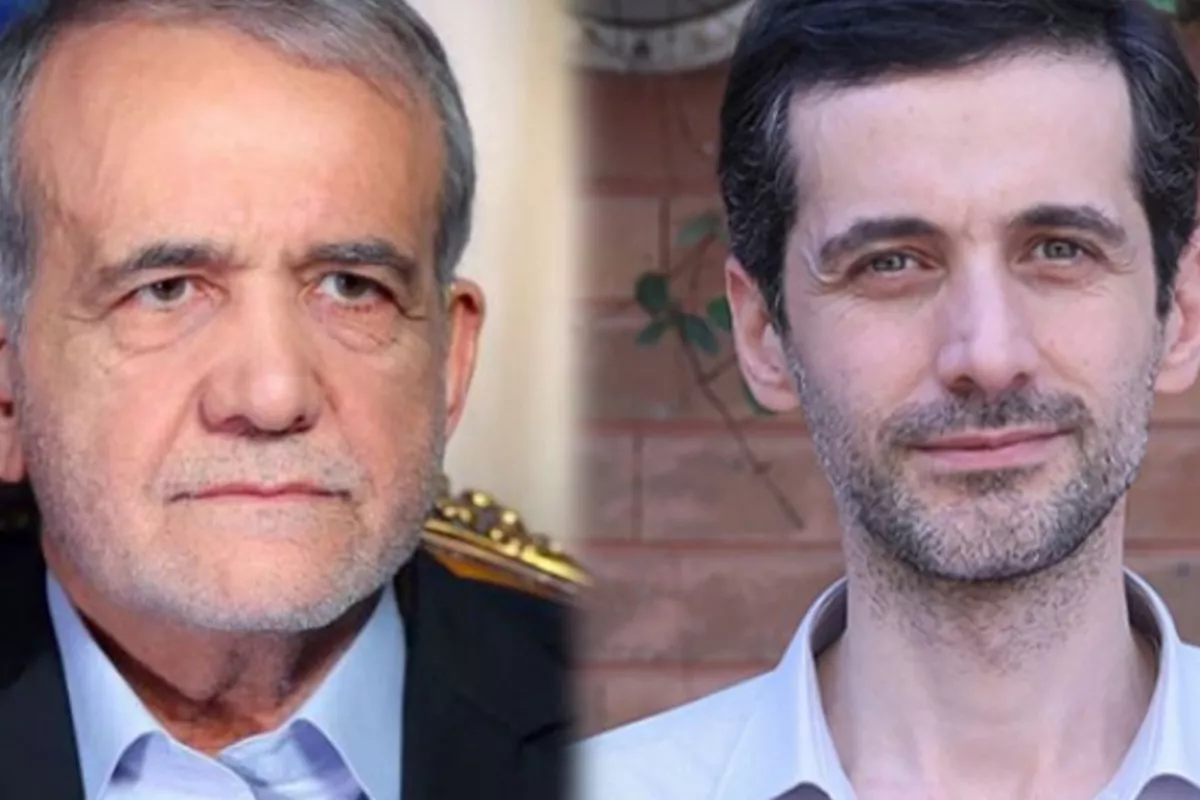
A rare insight into life in war-torn Iran comes from an unexpected source: the diary of Yusef Pajeshekian, son of President Masoud Pajeshekian and a physics professor. His writings offer a personal glimpse into how ordinary citizens navigate fear, uncertainty, and daily routines amid escalating conflict.
According to Daljoog News analysis, Yusef’s diary stands out because it balances personal reflection with broader social observation. He does not reveal state secrets but provides a nuanced view of life under censorship, missile attacks, and restricted communication.
The diary highlights both the resilience of ordinary Iranians and the psychological toll of prolonged conflict. At a time when official narratives dominate, these candid reflections offer valuable context for understanding the human dimension of war.
What Happened?
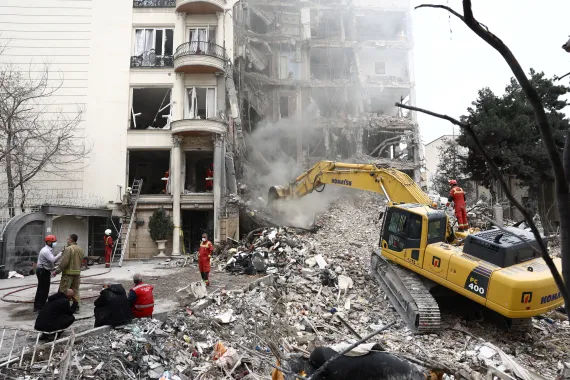
Yusef Pajeshekian has shared regular diary entries on social media, painting vivid pictures of civilian life without compromising sensitive information. He documents daily routines disrupted by missile alerts, internet blackouts, and restricted news access, revealing the tangible impact of ongoing conflict on ordinary people.
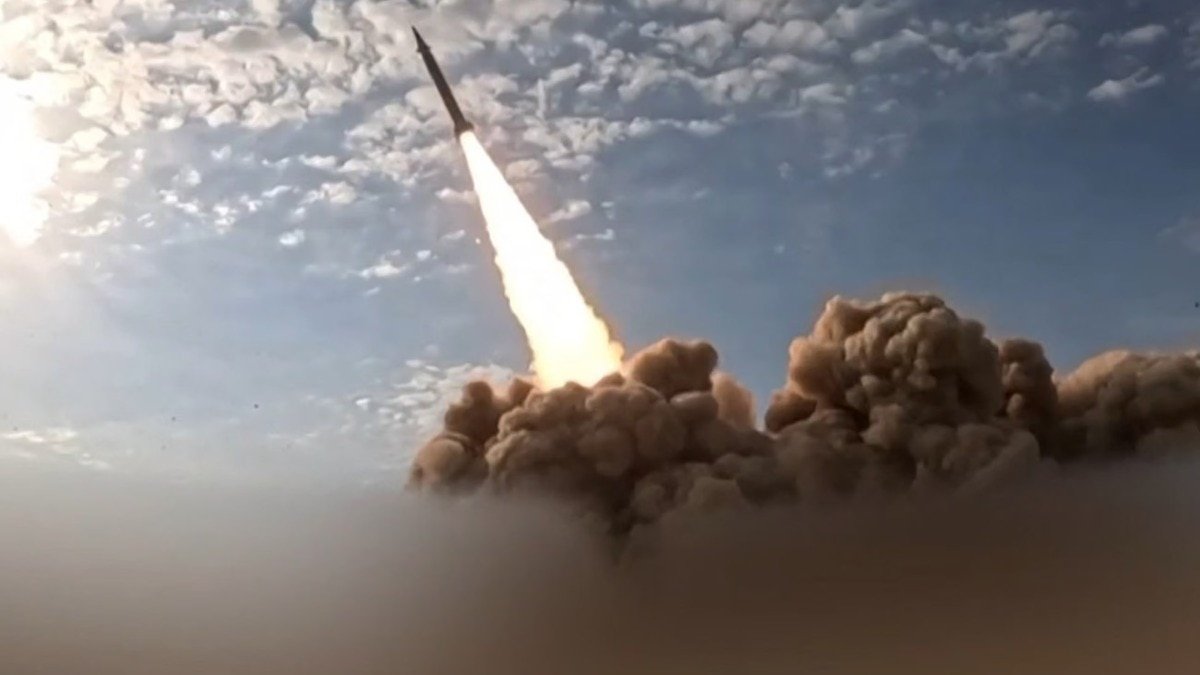
In one entry, he describes walking through Tehran under spring rain while hearing missiles in the distance, imagining how life could have been without war. Despite these challenges, he highlights moments of laughter, small joys, and human endurance that persist even amid uncertainty.
He also touches on the emotional strain caused by separation from his father and broader family, emphasizing loyalty and a sense of duty toward both family and country.
Why This Matters
The diary provides a rare civilian perspective on a conflict often dominated by military or political narratives. Understanding the everyday experiences of people living under constant threat is essential for assessing the social and psychological consequences of prolonged warfare.
Yusef’s reflections show how ordinary Iranians cope with fear and anxiety while maintaining a semblance of normal life. These accounts can influence international perspectives on the human costs of conflict and inform humanitarian considerations.
What Analysts or Officials Are Saying
Experts on Iranian society note that such firsthand accounts are invaluable for gauging public sentiment and morale. The diary offers a window into the challenges faced by civilians navigating both state control and external threats.
Analysts also highlight the significance of these narratives in countering simplified portrayals in global media. By acknowledging both personal and national struggles, Yusef presents a more complex picture than official statements or third-party reports often provide.
Daljoog News Analysis
Yusef Pajeshekian’s diary underscores the duality of life in wartime Iran: the persistence of everyday desires alongside pervasive fear. His writings reflect a tension between private emotional reality and public expectations of loyalty and patriotism.
The diary also raises subtle questions about information flow, media censorship, and how citizens interpret conflicting narratives. By documenting personal experience rather than secrets, Yusef’s reflections highlight how ordinary people maintain agency and emotional resilience even under duress.
What Happens Next
As the conflict continues, diaries like Yusef’s may become important historical records, illustrating the civilian perspective often absent from strategic and political analyses.
Observers will likely continue monitoring how public sentiment evolves amid ongoing conflict, with civilian narratives influencing both domestic discourse and international understanding of Iran’s social landscape.
For now, Yusef’s diary remains a poignant reminder that behind every conflict are individuals navigating fear, hope, and daily life.