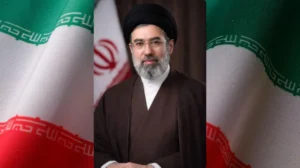

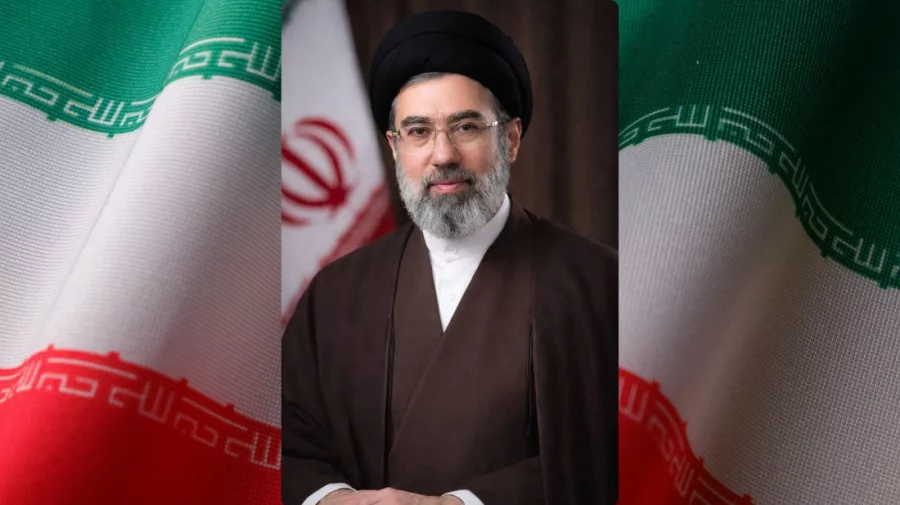
Iran has officially appointed Mojtaba Khamenei as the country’s new Supreme Leader, following weeks of deliberation within its religious and political hierarchy. The announcement comes amid continued military conflict involving Iran, Israel, and the United States.
According to Daljoog News analysis, the selection of Mojtaba Khamenei signals a consolidation of power within the ruling clerical establishment, while also reinforcing Iran’s posture in the ongoing regional conflict. Experts suggest the move will influence Iran’s domestic policies and military strategies in the months ahead.
The announcement coincides with a surge in violence across the Middle East. Attacks and counterattacks have escalated in Tehran, Karaj, Lebanon, and Gulf countries, drawing international attention and affecting regional security and global energy markets.
What Happened?
On Sunday, Iran’s Assembly of Experts formally approved Mojtaba Khamenei as the new Supreme Leader, transferring full authority from his father, Ayatollah Ali Khamenei. Iran’s president, Masoud Pajeskian, welcomed the appointment, describing it as the start of a “new era of strength and national dignity” for the Islamic Republic.
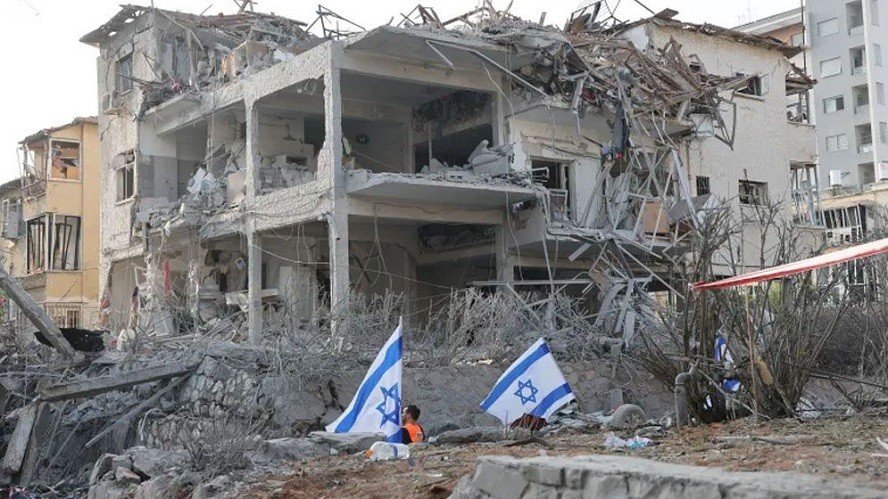
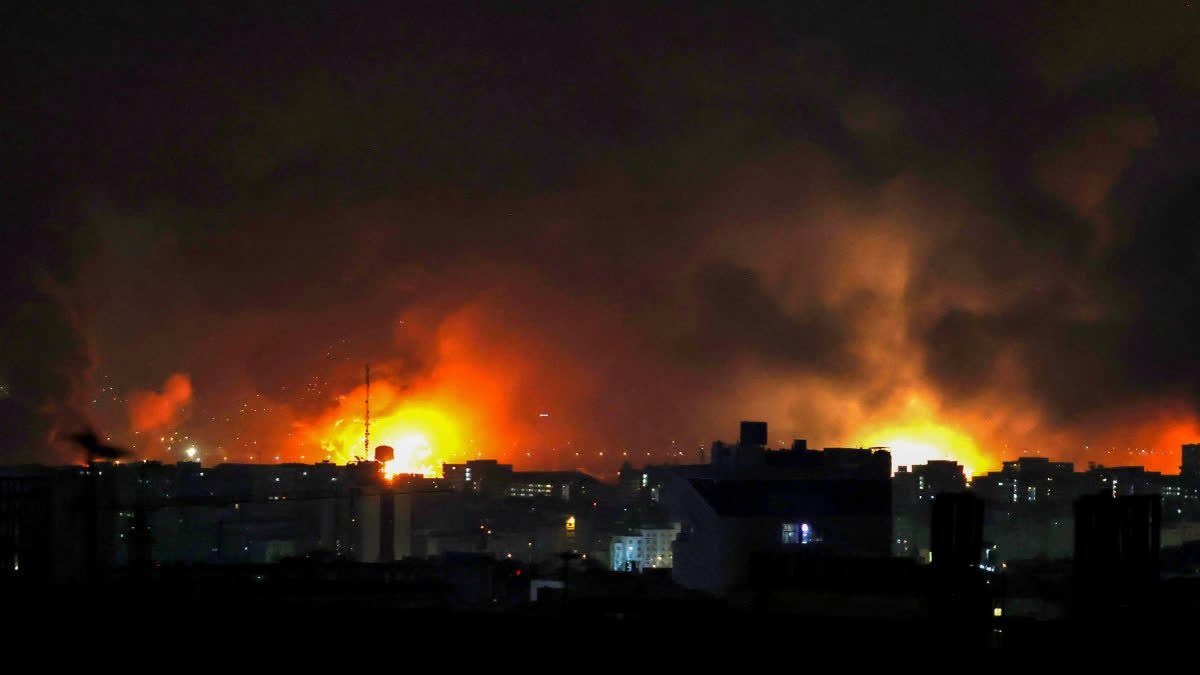
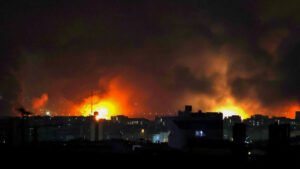
The timing of the announcement coincides with the tenth consecutive day of intense military escalation. Israeli airstrikes targeted Tehran and Karaj, hitting fuel depots, industrial zones, and a water purification plant. Lebanese territory also came under fire as Israel targeted Hezbollah positions in southern Lebanon.
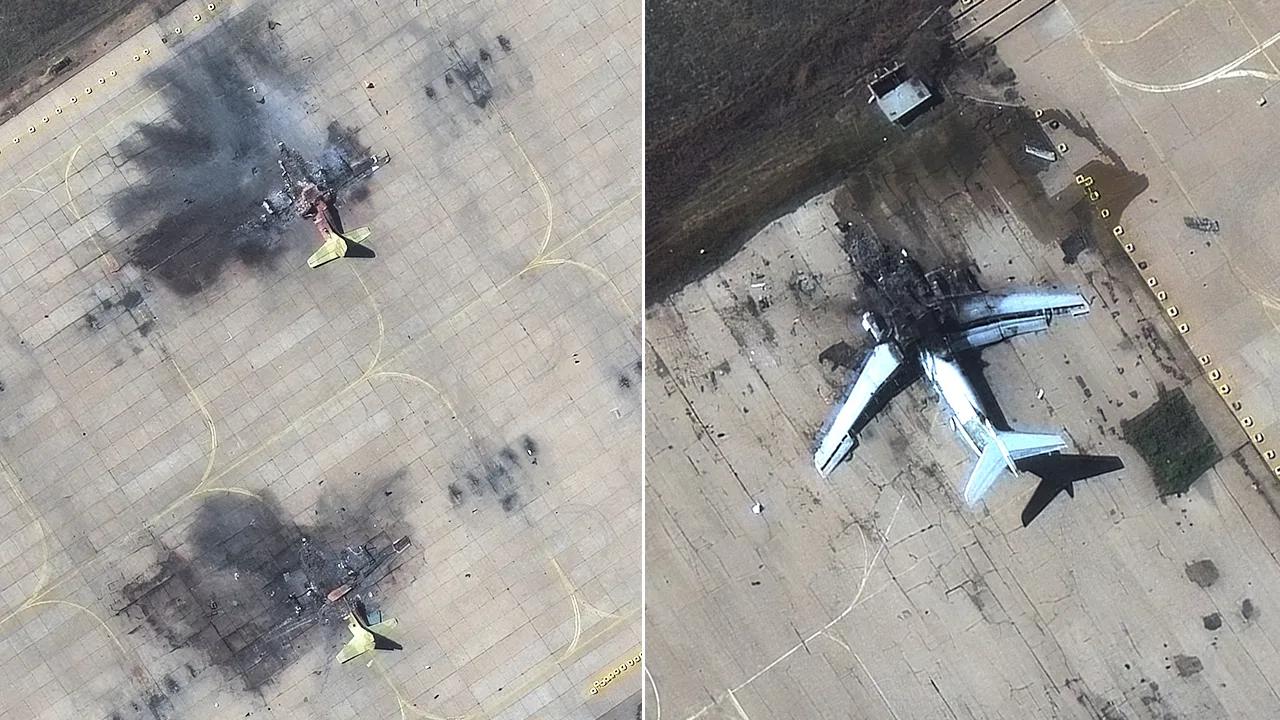
Iran’s Revolutionary Guard (IRGC) retaliated with missile and drone strikes targeting US and Israeli military installations in the Gulf. Casualties have been reported in Saudi Arabia’s Al-Kharj region and in Erbil, Iraq. In Lebanon, authorities estimate that over 500,000 people have been displaced due to ongoing hostilities.
Why This Matters
The appointment of Mojtaba Khamenei as Supreme Leader strengthens Iran’s central leadership during a period of high-stakes regional conflict. Analysts note that Iran’s decision to consolidate power internally, while actively engaging militarily with Israel and US interests, could prolong the current crisis and increase instability across the Gulf.
The conflict has already begun to impact global markets. International oil prices have surged past $100 per barrel, prompting declines in Asian stock markets and fueling concerns about energy supply disruptions. Countries dependent on Gulf oil are closely monitoring the situation as the conflict continues to affect shipping lanes and export facilities.
What Analysts or Officials Are Saying
US President Donald Trump has criticized the appointment, warning that without Washington’s approval, Iran’s new leader would struggle to maintain long-term power. Tehran, however, has rejected such claims, with Foreign Minister Abbas Arakchi affirming that Iran is prepared for continued confrontation and will exercise its right to defend against aggression.
Regional analysts highlight that Mojtaba Khamenei’s leadership could mark a more assertive stance in both domestic governance and foreign policy. By consolidating power under a trusted figure, Iran aims to maintain strategic cohesion amid escalating attacks and retaliations.
Daljoog News Analysis
The rise of Mojtaba Khamenei to Supreme Leader reflects both continuity and strategic calculation. While the clerical elite ensures leadership remains within the Khamenei family, the move also reinforces Iran’s ability to project power regionally.
Daljoog News assesses that the appointment may embolden Tehran’s military responses, while simultaneously heightening tensions with the US, Israel, and Gulf states. The interplay between leadership consolidation and ongoing military escalation makes the coming months critical for Middle Eastern stability.
What Happens Next
Observers expect Iran to continue coordinated military actions in response to Israeli and US operations, particularly across Gulf states. Diplomatic efforts remain limited, with countries such as Oman calling for restraint while Qatar and others express concern over retaliatory strikes.
Global markets will likely remain volatile as the conflict influences oil supply and shipping routes. The new leadership under Mojtaba Khamenei is expected to navigate both internal consolidation and external military challenges, shaping Iran’s trajectory for years to come.