


The deployment of US warships in the Persian Gulf is not just a show of force. It is part of a broader strategy aimed at increasing pressure on Tehran at a critical moment.
According to Daljoog News analysis, Washington is now caught between escalating military pressure on Iran and protecting a fragile global economy already under strain.
Fears surrounding oil prices and a potential global recession are pushing the United States to reconsider direct military action, despite rising regional tensions.
What Happened?
In recent weeks, the US has significantly increased its naval presence in the Persian Gulf. The move is widely seen as an effort to tighten strategic pressure on Iran.
US policymakers believe Iran is facing serious economic difficulties at home. Washington hopes to use this weakness to push Tehran into a tougher agreement that limits its missile program and regional influence.
However, the United States is reluctant to pursue a full-scale war. Instead, officials have weighed the option of limited strikes on selected Iranian military facilities, viewing such actions as controlled pressure rather than outright conflict.
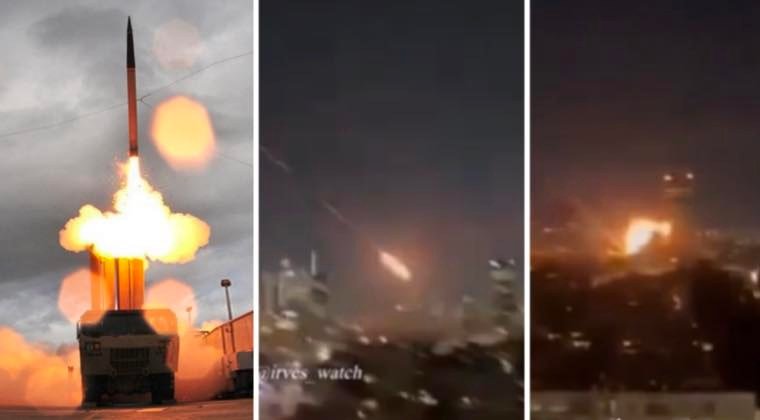
That plan faces a major obstacle: Iran’s advanced defense capabilities. Over the past decade, Iran has made substantial progress in drone and missile technology. Military analysts say Tehran is now far more prepared than in the past.
Why This Matters
This standoff goes far beyond the Middle East.
Nearly one-fifth of the world’s oil supply passes through the Strait of Hormuz, a vital maritime route located near Iranian-controlled waters.
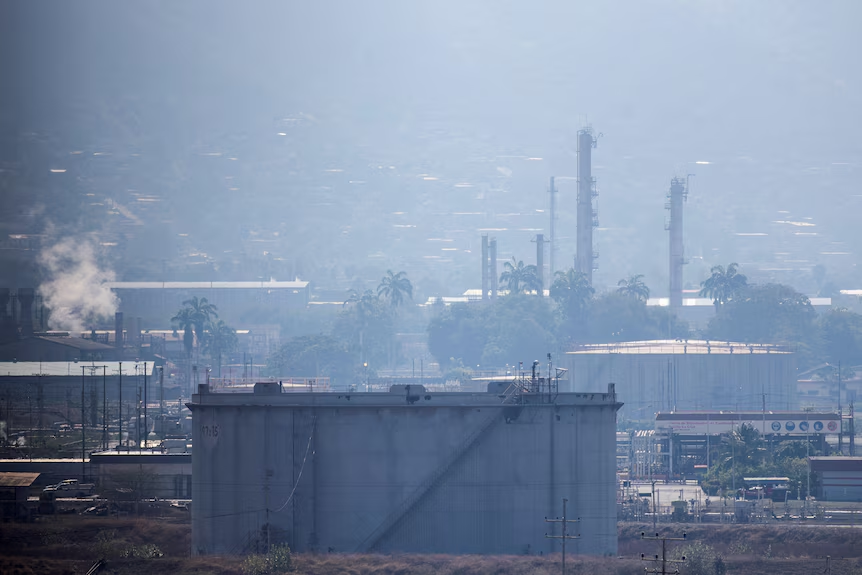
If war breaks out and Iran moves to block the strait, global oil prices could spiral out of control almost immediately. Such a shock would ripple across energy markets, transportation systems, industrial production, and food supply chains.
Economists warn that a sudden spike in oil prices could push the global economy toward recession, especially at a time when growth is already slowing.
This risk is a key reason why Washington is hesitating to take major military action.
What Analysts or Officials Are Saying
Military experts argue that Iran is unlikely to initiate a war on its own. But they also stress that Tehran would not remain passive if attacked.
Iran’s position is clear: any strike would be met with a full-scale response rather than a limited retaliation. That reality raises the risk that even a small military move could rapidly escalate.
US decision-makers are well aware of this danger. As a result, they are trying to avoid steps that could push the situation beyond control.
At the same time, Iran continues to test US resolve through warnings and shows of capability, signaling that it is prepared for confrontation if necessary.
International market reactions and concerns from US allies are also influencing Washington’s calculations.
Daljoog News Analysis
At this moment, the US is less worried about Iran itself than about the global economy.
The world is already dealing with the fallout from the Ukraine war, high interest rates, and slowing growth. A major conflict in the Middle East could add a shock that markets may not be able to absorb.
Rising oil prices would also create domestic political pressure inside the United States. Inflation could return as a major issue, complicating policy decisions for both the government and the Federal Reserve.
This is why Washington is choosing restraint for now. Military power is being displayed, but carefully, without crossing a line that could trigger a wider war.
Iran, for its part, understands that oil is its strongest strategic lever. Control over the Strait of Hormuz gives Tehran the ability to threaten the global economy without firing a single shot.
This mutual vulnerability is helping to delay open conflict, but it does not remove the danger.
What Happens Next
In the short term, a direct clash remains unlikely. Both sides are expected to continue testing each other through diplomatic pressure, economic measures, and military positioning.
Still, the risk of miscalculation remains high. In such a tense environment, even a small incident could spiral into a major crisis.
Analysts will be closely watching oil markets, shipping activity in the Strait of Hormuz, and diplomatic signals in the days ahead.