

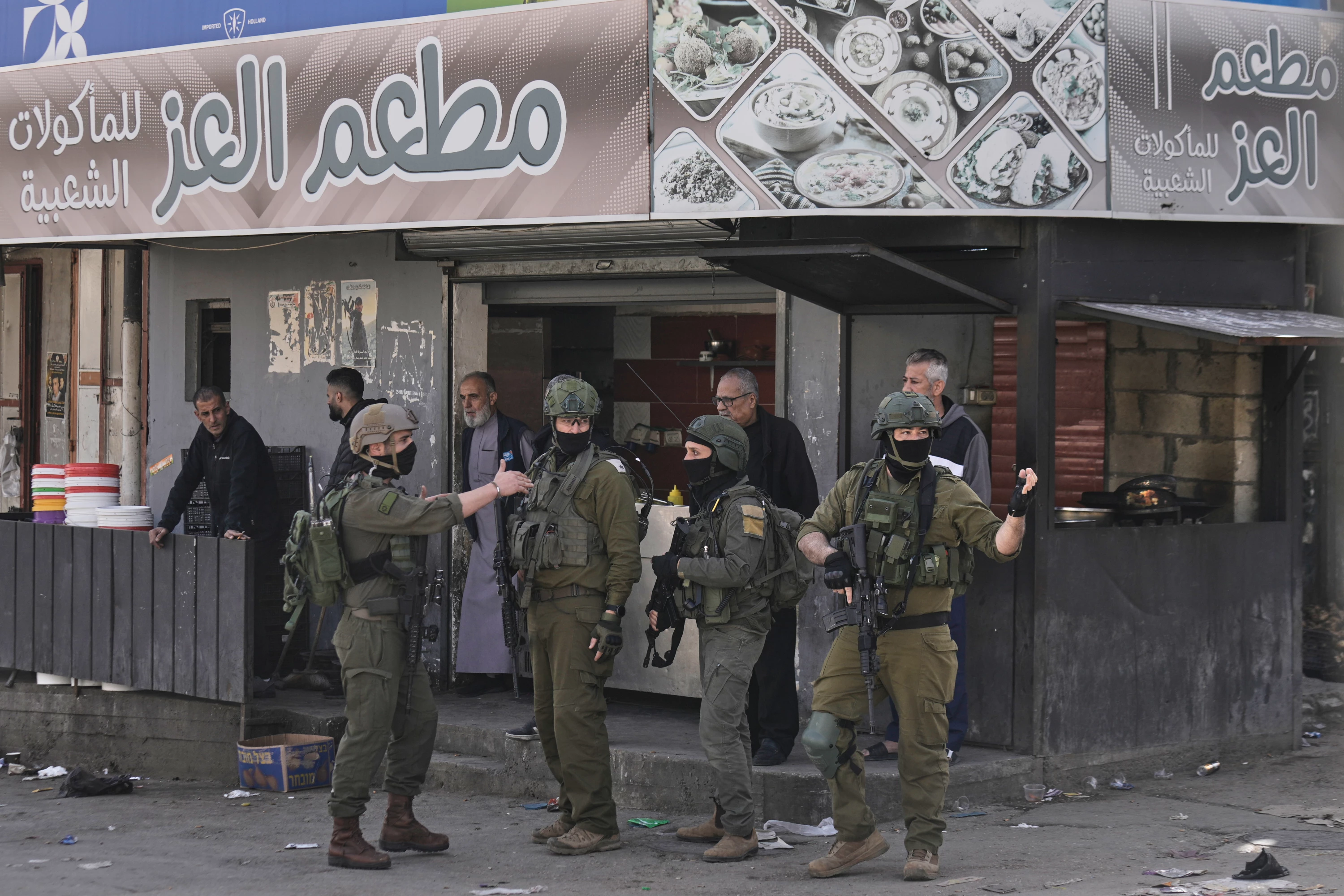
Israel’s military is facing a growing shortage of troops as it continues operations across multiple conflict zones, including Gaza and neighboring regions. Officials say the strain is increasing after nearly two years of sustained military activity.
According to Daljoog News analysis, the pressure of fighting on several fronts at once is testing the limits of Israel’s military structure, especially its reliance on reserve forces.
The situation comes at a critical moment, as regional tensions remain high and the risk of prolonged conflict continues to shape both military planning and political decisions.
What Happened?
The current wave of conflict began on October 7, 2023, when hostilities in Gaza escalated sharply. Since then, Israeli forces have conducted continuous operations in the territory, involving large-scale ground offensives and sustained deployments.
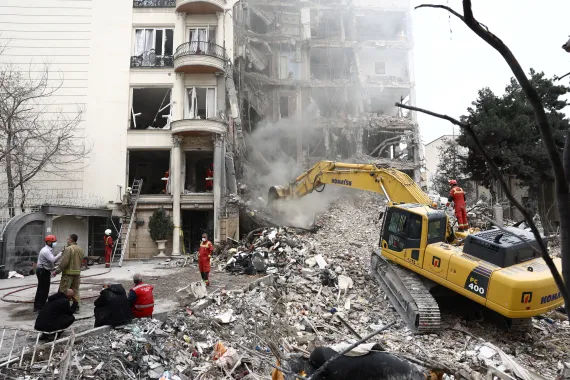
At the same time, military actions have expanded beyond Gaza. Israeli forces have carried out operations in Lebanon and have been linked to activities in Iraq and Syria during this period.
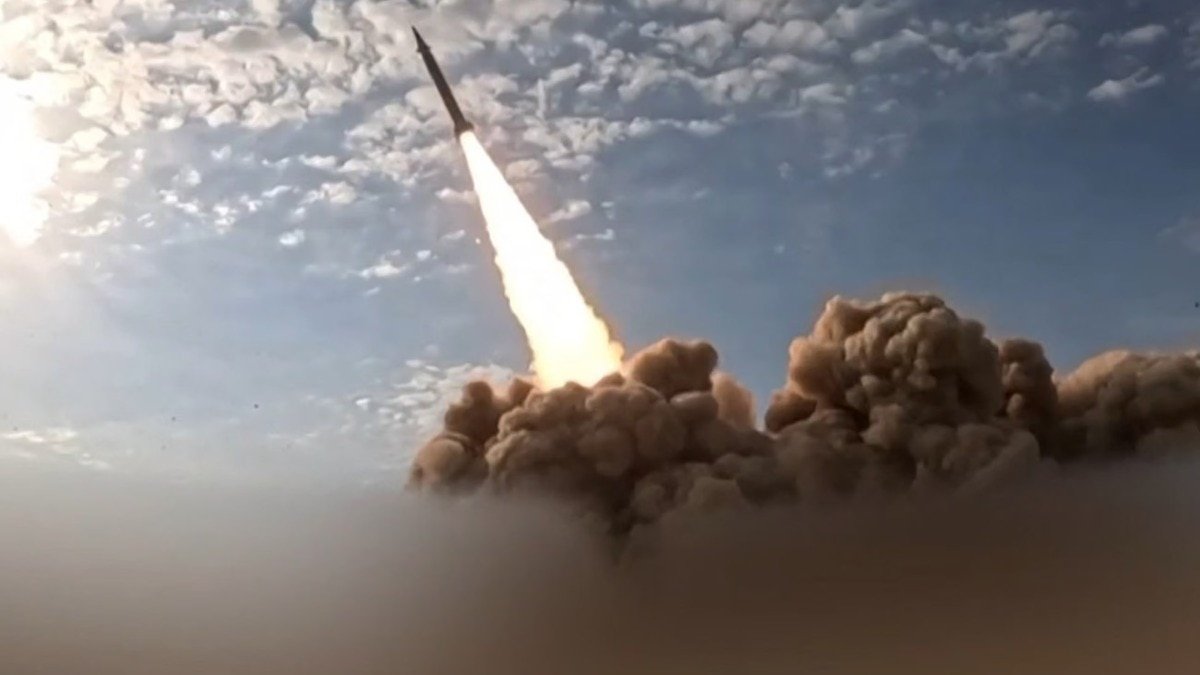
Tensions with Iran have also added another layer of complexity. A brief but intense confrontation between Israel and Iran in June last year lasted nearly two weeks, further stretching military resources.
Israel’s military consists of approximately 169,000 active personnel, supported by more than 450,000 reservists. These reserve forces have been heavily relied upon to maintain operations across different fronts.
However, officials now report a shortage of around 15,000 troops. Nearly half of that number is needed for direct combat roles, highlighting the gap in frontline capacity.
Senior military leadership has raised concerns that the ongoing strain could weaken operational readiness if not addressed quickly. The issue was reportedly discussed at a recent security cabinet meeting.
Why This Matters
A sustained troop shortage could significantly impact Israel’s ability to manage simultaneous conflicts. Fighting on multiple fronts requires constant rotation, logistical support, and readiness, all of which depend on sufficient manpower.
If the gap continues, it may limit the military’s flexibility and response speed in emerging situations. This could also affect long-term planning, especially if tensions with regional actors persist.
The issue extends beyond military concerns. It has direct political implications, as decisions about recruitment and service requirements often trigger domestic debate.
Regional stability is also at stake. Any perceived weakening in military capability could shift strategic calculations among rival actors.
What Analysts or Officials Are Saying
Military officials have acknowledged the shortage and stressed the need for additional personnel, particularly in combat roles. They point to the expanded scope of operations as a key reason behind the growing demand.
Security analysts note that Israel’s reliance on reservists has long been a strength, but extended deployments can reduce effectiveness over time. Fatigue, economic impact, and social strain are all factors that come into play.
Reports from Israeli media indicate that the army chief has warned of potential risks if manpower issues are not resolved. The leadership has urged policymakers to consider immediate steps to reinforce the military.
At the same time, observers highlight that recruitment policies remain a sensitive issue within Israeli society, particularly when it comes to exemptions for certain groups.
Daljoog News Analysis
Israel’s current military challenge reflects a broader reality of modern warfare. Sustained, multi-front conflicts require not only advanced technology but also a steady and resilient human force.
The reliance on reserve troops has helped maintain operations so far, but it is not a long-term solution without adjustments. Prolonged deployments can strain both individuals and institutions.
The government now faces a difficult balance. Expanding recruitment or extending service periods may strengthen the military, but such moves carry political and social costs.
The debate over including previously exempt groups in military service highlights deeper divisions within Israeli society. Managing these tensions while maintaining security will be a key test for leadership.
What Happens Next
Israeli authorities are likely to consider policy changes to increase troop numbers. This could include extending mandatory service or revisiting exemptions.
Discussions within the government are expected to continue, especially as military leaders push for urgent action.
In the near term, operations across different fronts are likely to continue, keeping pressure on existing forces.
The longer-term outlook will depend on both regional developments and internal decisions on recruitment and military reform.