

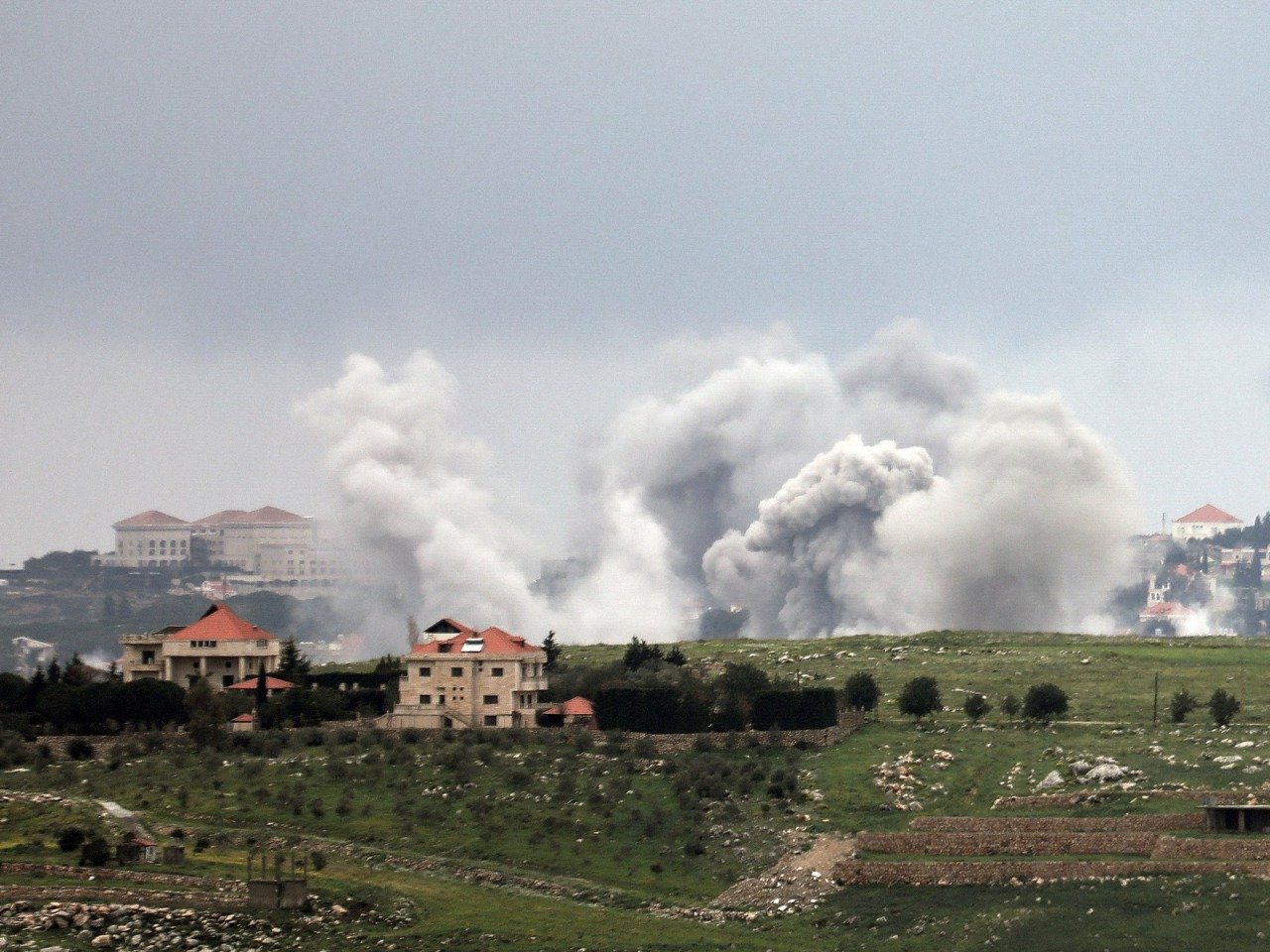
Israel has destroyed five bridges along Lebanon’s Litani River, targeting routes allegedly used by Hezbollah to transport weapons. The action is part of a broader military operation in southern Lebanon.
According to Daljoog News analysis, this escalation reflects Israel’s effort to weaken Hezbollah’s logistical networks while securing its northern borders, signaling a potential intensification of regional hostilities.
The operation has also worsened an ongoing humanitarian crisis, as displacement and civilian casualties rise in southern Lebanon, highlighting the broader risks of the conflict.
What Happened?
Israel’s defense authorities confirmed the destruction of five key bridges along the Litani River in southern Lebanon. The Israeli Defense Minister stated that the bridges were being used by Hezbollah for transporting weapons and military supplies.
Plans are underway to deploy additional troops in the region and establish new secure zones. Authorities have warned that residents will not be allowed to return until safety can be assured.
The conflict has resulted in significant casualties over the past three weeks. Reports indicate at least 1,072 people have been killed, including 121 children and 42 health workers. More than 1 million people have been displaced, creating a severe humanitarian emergency.
Israel says the operations aim to protect northern areas from Hezbollah attacks, while Hezbollah considers southern Lebanon, particularly the Shiite-majority regions, as its stronghold. Christian communities also reside in these areas, adding to the complex social dynamics.
Why This Matters
The destruction of infrastructure, including the five bridges, significantly impacts civilian mobility and access to essential services. It also disrupts Hezbollah’s logistics, potentially altering the tactical landscape in southern Lebanon.
Humanitarian consequences are escalating. The mass displacement and increasing casualties place pressure on local authorities and aid organizations struggling to provide food, medical care, and shelter.
Analysts warn that targeting transport routes, combined with troop deployments, could deepen the conflict, raising the risk of prolonged clashes in a region already vulnerable to instability.
What Analysts or Officials Are Saying
Regional security experts note that Israel’s strategy seeks to sever Hezbollah’s supply lines and limit its operational capabilities. Destroying bridges is a strategic choice aimed at controlling movement in southern Lebanon.
Hezbollah leadership has framed the attacks as an existential threat. Senior commander Hassan Fazlullah has emphasized that the group sees no alternative but to defend its positions and retain control over southern territories.
Analysts caution that both sides’ hardened positions increase the risk of a protracted conflict. The combination of military escalation and civilian displacement adds complexity to any potential de-escalation efforts.
Daljoog News Analysis
The destruction of critical infrastructure signals an intensification of the Israel-Hezbollah confrontation. Beyond immediate tactical effects, these strikes are reshaping the operational and humanitarian environment in southern Lebanon.
By isolating areas and delaying civilian return, Israel is reinforcing military control while attempting to limit Hezbollah’s mobility. Conversely, Hezbollah’s determination to hold territory suggests that further escalation is likely.
The conflict now carries both military and humanitarian implications. The prolonged disruption could create long-term instability, especially if civilian displacement and casualties continue to rise.
What Happens Next
Further military actions are likely as Israel strengthens troop deployments and Hezbollah prepares to defend its strongholds. The situation could escalate along both logistical and civilian fronts.
Humanitarian agencies may face increasing challenges in delivering aid, while infrastructure rebuilding will remain uncertain until a ceasefire or secure environment is established.
Observers will be closely watching whether international mediation can reduce tensions or if both sides continue on a path of intensified confrontation.