
Iran’s retaliatory missile strikes have caused widespread disruption and panic across Israel, with thousands of civilians hospitalized. The attacks follow sustained US and Israeli military operations targeting Iranian sites, escalating the ongoing regional conflict.
According to Daljoog News analysis, Iran’s Operation True Promise Four demonstrates Tehran’s ability to strike deep into Israeli territory while evading or overwhelming advanced defense systems like the Iron Dome. The scale of civilian casualties reflects both the intensity of the strikes and Israel’s limited capacity to fully protect its population.
The missile barrage has not only triggered mass hospitalizations but also created widespread fear, prompting many residents to seek shelter in bunkers and emergency centers. Authorities report that life in major cities like Tel Aviv and Haifa has been severely disrupted.
What Happened?
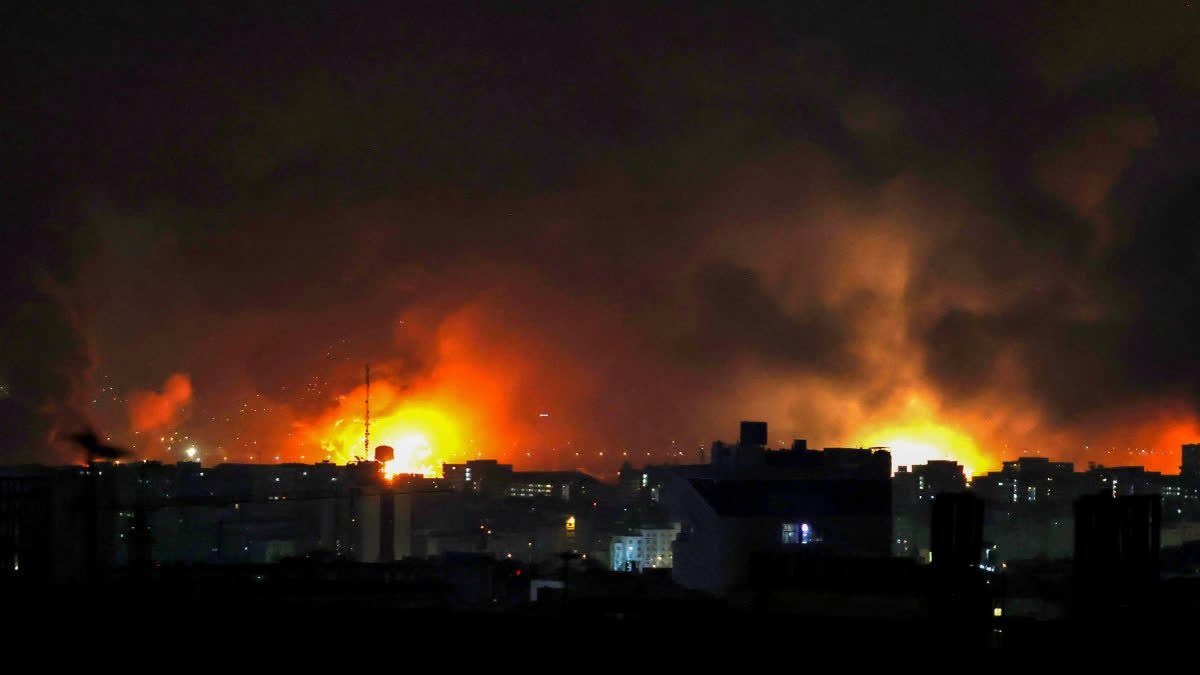
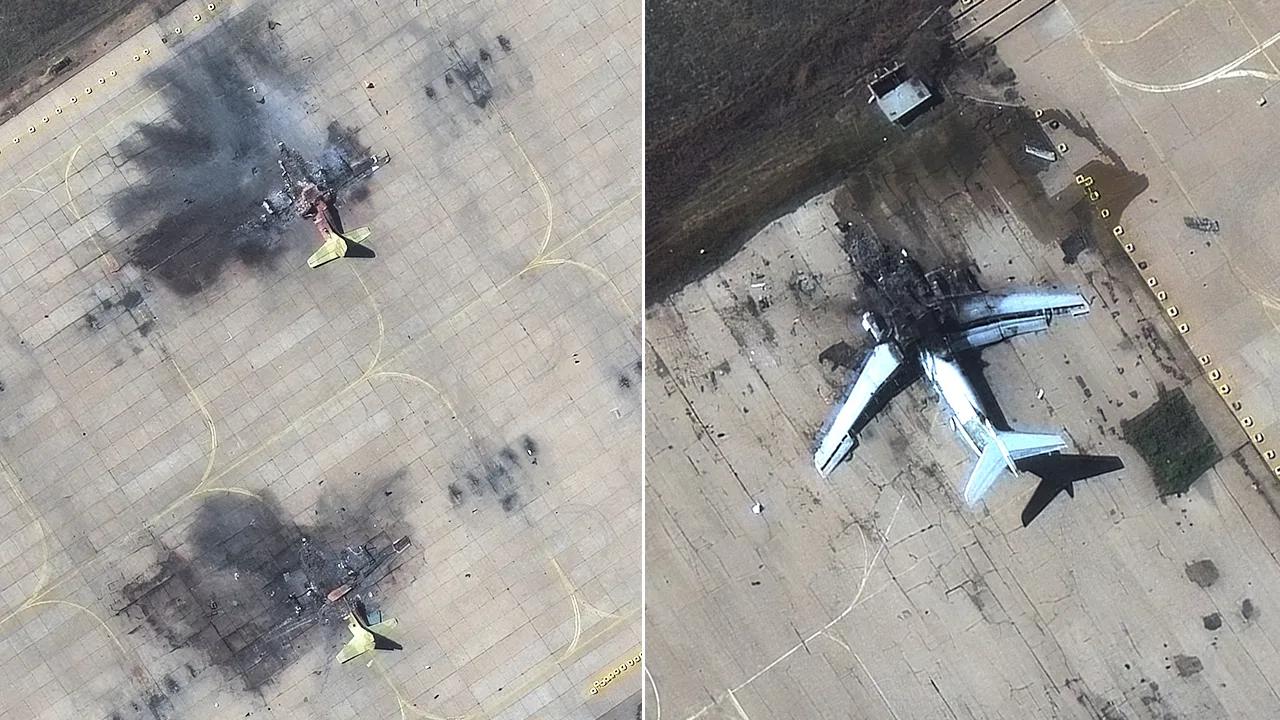
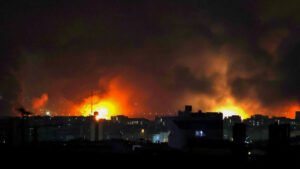
Over the past several days, Iran has launched a series of missile attacks targeting Israel, including strategic radar sites and military infrastructure. The strikes reportedly bypassed or neutralized portions of the Iron Dome defense system, causing extensive panic in urban areas.
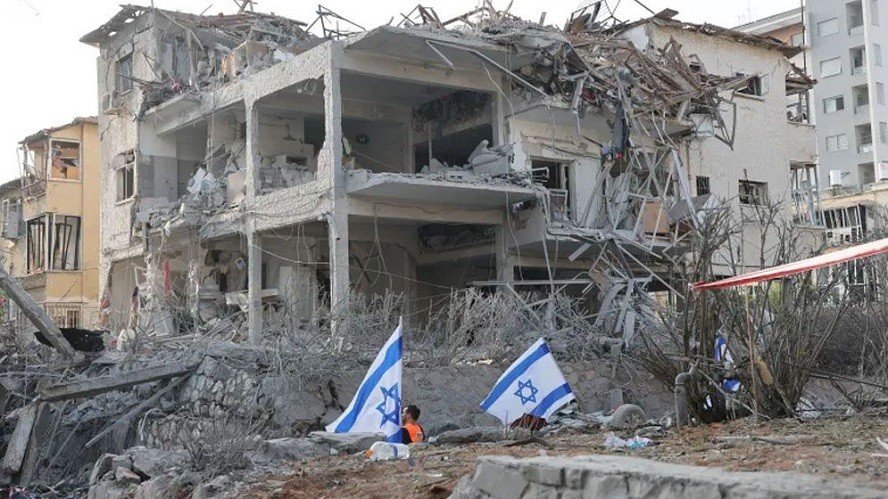
Israeli sirens blared repeatedly as multiple waves of missiles struck residential and industrial zones. Health authorities report that at least 1,929 civilians have been hospitalized since the attacks began, with 157 new admissions in the past 24 hours. Among them, nine are in critical condition, 42 are moderately injured, and 70 sustained minor injuries.
While Israel has not released an official death toll, analysts believe casualties are likely higher than reported, with authorities possibly withholding sensitive information for security reasons. Hospitals across the country are operating at maximum capacity, and emergency protocols have been activated nationwide.
Why This Matters
The strikes mark a significant escalation in the Iran-Israel-US conflict, with Tehran signaling that it will continue targeting Israeli infrastructure in response to prior military actions. Civilian hospitalizations underline the human cost of the conflict and highlight the limits of Israel’s missile defense systems.
Beyond Israel, the strikes have raised alarm in neighboring countries with US military bases, including Saudi Arabia, the UAE, Qatar, and Kuwait. Even with prior assurances from Iran not to target these nations, analysts note that the situation remains volatile, as Tehran has repeatedly demonstrated its willingness to retaliate when provoked.
The attacks also send a broader strategic message: Iran is capable of sustaining long-range operations, undermining the perceived technological and tactical advantage of the US-Israel alliance.
What Analysts or Officials Are Saying
Israeli officials have emphasized emergency response and public safety, but remain tight-lipped on precise casualty figures. Health ministry statements confirm hospitalizations but provide limited detail about fatalities.
Military analysts suggest that Iran’s ability to target critical radar infrastructure—key to the US-Israel missile network—represents a significant shift in the conflict’s dynamics. By striking both civilian and strategic assets, Tehran is leveraging psychological and operational pressure to reshape the regional balance.
Daljoog News Analysis
Daljoog News assesses that the scale of hospitalizations highlights the intersection of modern missile warfare and civilian vulnerability. Iran’s operations demonstrate precise targeting combined with psychological impact, forcing Israel to grapple with both operational and humanitarian challenges simultaneously.
The attacks also serve as a reminder of the conflict’s unpredictability. Even in technologically advanced nations, civilian populations remain at risk when confrontations escalate into missile and drone warfare.
What Happens Next
In the coming days, Israel is likely to continue defensive operations while reinforcing medical and emergency infrastructure. Iran may sustain missile campaigns, particularly targeting strategic installations, unless diplomatic interventions or ceasefires are brokered.
International observers are watching closely, with humanitarian organizations emphasizing the urgent need for civilian protection. The ongoing crisis has implications for global markets, regional security, and the long-term stability of Israel and neighboring Gulf states.