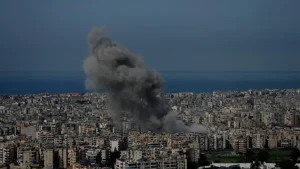

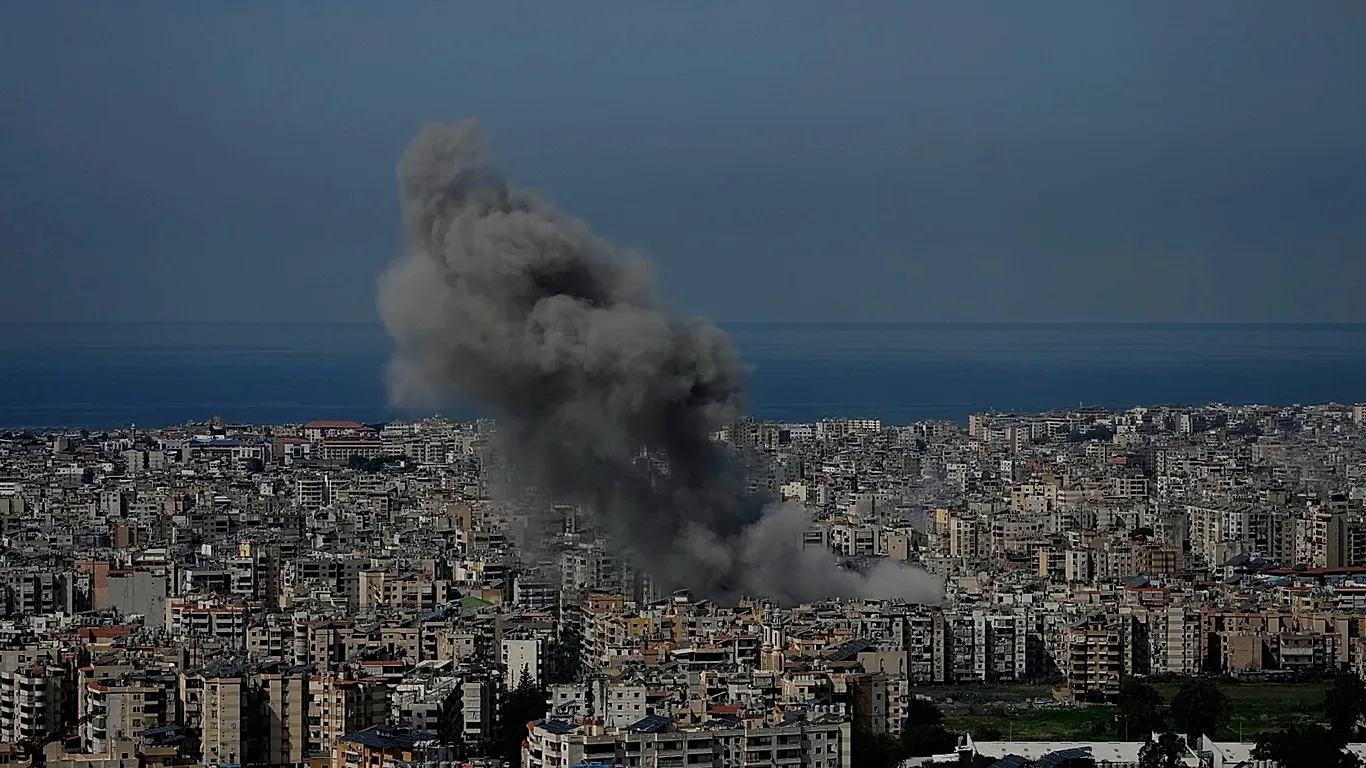
Israel has intensified its military operations, moving from Gaza into southern Lebanon to expand its security buffer zone. The offensive marks a significant escalation along the northern border, with ground troops advancing toward the Litani River.
According to Daljoog News analysis, the expansion mirrors Israel’s previous Gaza strategy, suggesting a calculated effort to neutralize Hezbollah’s presence while securing critical border areas. The operation comes after retaliatory attacks by Hezbollah in response to targeted strikes in Israel.
The timing of this offensive coincides with rising civilian casualties and growing humanitarian concerns. Over 12 lakh residents have fled their homes, highlighting the urgent regional and international implications of the conflict.
What Happened?
The ground offensive began on March 2, following a series of Israeli airstrikes targeting Hezbollah positions in southern Lebanon. Israeli forces have advanced into multiple border zones, aiming to eliminate the militant group’s operational capacity.
The Lebanese Ministry of Health reports that 1,238 people have been killed since the beginning of the campaign, including 124 children, and thousands more injured. Key areas affected include the southern Al-Qusayr region, where a recent explosion claimed the life of a UN peacekeeper under investigation.
Journalists have also been affected. In Jezzine, an airstrike on a vehicle killed three reporters, including Ali Shuaib of Al-Manar TV, whom Israel accused of providing intelligence to Hezbollah. French Foreign Minister Jean-Yves Le Drian condemned the attack as a severe violation of international law, emphasizing that journalists must never be targeted in conflict zones.
Why This Matters
The expansion into southern Lebanon represents a shift from defensive border operations to a broader offensive strategy. Control of the buffer zone is intended to weaken Hezbollah’s strategic positions, but it risks drawing Lebanon deeper into the conflict.
The humanitarian impact is significant, with over 12 lakh people displaced and essential services disrupted. The targeting of journalists also raises serious concerns about press freedom and accountability in wartime.
What Analysts or Officials Are Saying
Military analysts note that Israel’s approach follows the Gaza model, combining airstrikes with ground incursions to maximize territorial control while aiming to degrade Hezbollah’s capabilities. However, Hezbollah’s entrenched positions and guerrilla tactics could prolong the conflict and increase casualties on both sides.
International observers stress that the killing of journalists sets a dangerous precedent. Past incidents in Gaza have seen over 200 media personnel killed, highlighting the persistent risks for reporters covering conflicts in the region.
Daljoog News Analysis
Daljoog News analysis suggests that Israel’s expansion into southern Lebanon may stabilize its northern borders in the short term, but the long-term consequences are unpredictable. Escalation could further destabilize Lebanon, strain regional alliances, and heighten tensions with Iran, which supports Hezbollah.
The humanitarian crisis and displacement of civilians could also prompt international intervention or calls for ceasefire negotiations. The targeting of journalists undermines Israel’s credibility and increases scrutiny from global human rights organizations.
What Happens Next
Observers expect continued clashes along the northern border and possible retaliatory attacks by Hezbollah in Lebanon and surrounding regions. International agencies are likely to monitor civilian displacement and infrastructure damage closely.