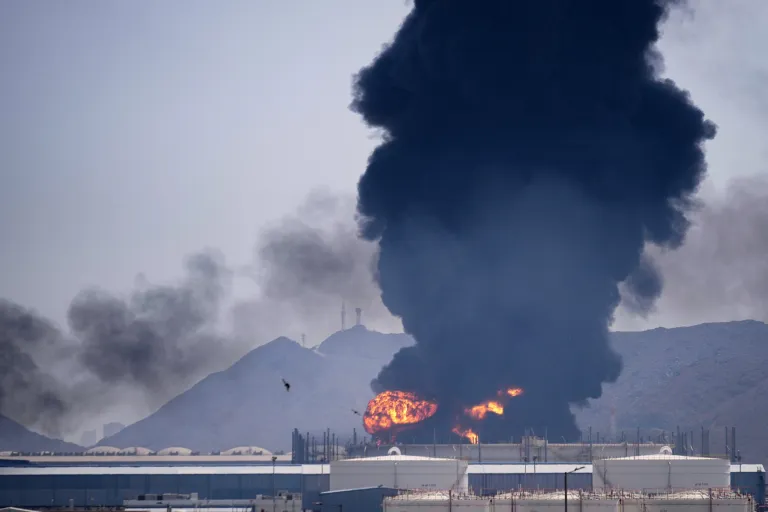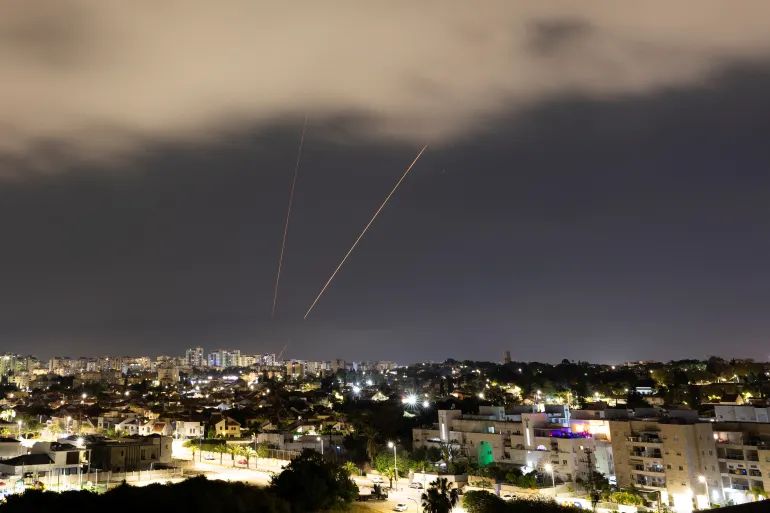


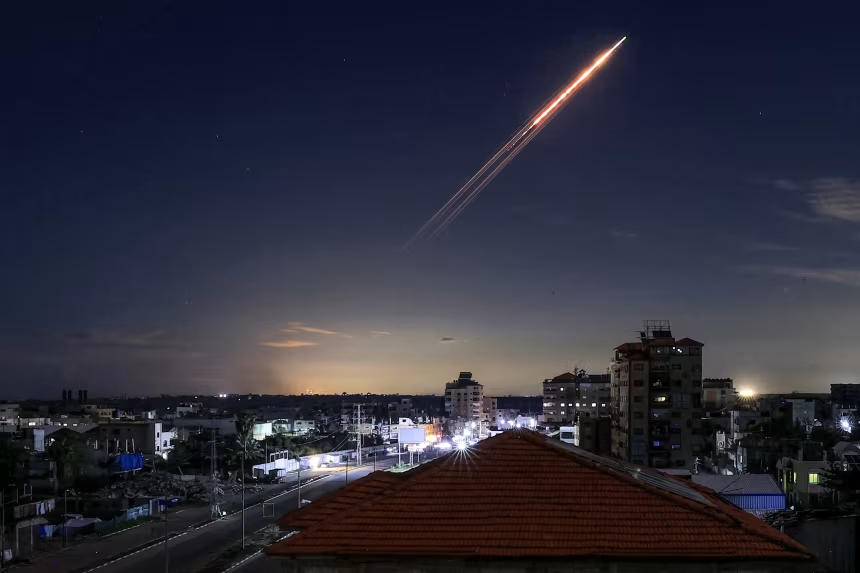
It has been 16 days since Israel and the United States launched a joint strike on Iranian targets. In retaliation, Tehran has unleashed a continuous wave of advanced missiles, putting Israel’s defenses under unprecedented pressure. Reports indicate that Tel Aviv is running low on ballistic missile interceptors, the primary tool for countering long-range threats.
According to Daljoog News analysis, Iran’s use of cluster munitions and successive missile barrages is intensifying the stress on Israel’s air defense infrastructure, raising serious concerns about the country’s capacity to protect critical areas.
The situation echoes challenges faced during last year’s conflict with Iran, highlighting the strategic vulnerability of Israel’s interceptor stockpiles and the broader implications for regional security.
What Happened?
Iran’s ongoing missile campaign targets Israeli territories with high-frequency strikes. While Israel’s Iron Dome remains effective against short-range rockets, the country relies on specialized interceptors to neutralize long-range ballistic missiles. These interceptors are now reportedly in short supply.
Israeli Prime Minister Benjamin Netanyahu informed Washington of the dwindling stock, according to U.S. officials cited by the Washington-based news outlet Semaf. During last year’s 12-day conflict with Iran, Israel rapidly exhausted its interceptor reserves, deploying more than 150 third-tier interceptors in five days alone, with costs exceeding $240 million.
To counter current demands, the United States has increased production of long-range interceptors since January, ensuring continued support for Israel, even as Tehran’s missile strikes grow more frequent and technologically advanced.
Why This Matters
The shortage of long-range interceptors exposes Israel to heightened vulnerability, particularly to Iran’s coordinated missile attacks. With cluster munitions and high-intensity barrages, Iran can test the limits of Israel’s air defense capabilities.
Beyond immediate military concerns, the situation signals potential escalation risks in the region. U.S. support remains critical, not only in replenishing interceptors but also in maintaining strategic balance in the Middle East.
What Analysts or Officials Are Saying
Defense analysts emphasize that while Israel’s Iron Dome is highly effective against short-range threats, the country’s long-range ballistic defense is the linchpin of national security. Experts warn that continued interceptor depletion could lead to gaps in coverage, putting civilian populations and strategic infrastructure at risk.
U.S. officials have reassured that American interceptor stockpiles are sufficient, but they stress the importance of monitoring Israel’s resupply and production rates to prevent vulnerabilities from escalating into operational crises.
Daljoog News Analysis
Daljoog News assesses that the current interceptor shortage is a critical pressure point in the ongoing Iran-Israel conflict. Tehran’s repeated missile attacks, coupled with advanced munition use, are designed to overwhelm Israel’s defensive systems and force reliance on U.S. support.
The unfolding situation underscores the strategic challenge of maintaining sufficient missile defense stockpiles during prolonged conflicts. It also highlights the interconnected role of allies, technological capacity, and logistics in sustaining national defense under continuous threat.
What Happens Next
Israel is expected to accelerate interceptor deployment and coordinate with the United States to ensure replenishment. Analysts will continue to monitor Iran’s missile capabilities, including potential innovations in payload or targeting strategies.
The coming weeks may see intensified missile exchanges, further testing Israel’s defenses. The situation remains volatile, with regional stability closely tied to the ability of Israel and its allies to maintain effective countermeasures against Tehran’s persistent attacks.