
The Middle East conflict entered its ninth day on Sunday with a fresh escalation that saw Israeli attacks on Iranian fuel infrastructure in Tehran followed by Tehran’s own strikes on Israeli targets including Haifa’s oil refinery. Hostilities now span several Gulf states as Iran carries out retaliatory operations against what it calls US‑Israeli aggression.
According to Daljoog News analysis, the widening campaign underscores how rapidly the confrontation has expanded beyond isolated border skirmishes to multiple fronts involving civilian targets, strategic energy facilities, and military installations across the region.
As regional cities endure bombardment and global markets react, diplomats and analysts warn that the conflict is moving beyond battlefield exchanges into an era of sustained regional disruption with potential global economic and security implications.
What Happened?
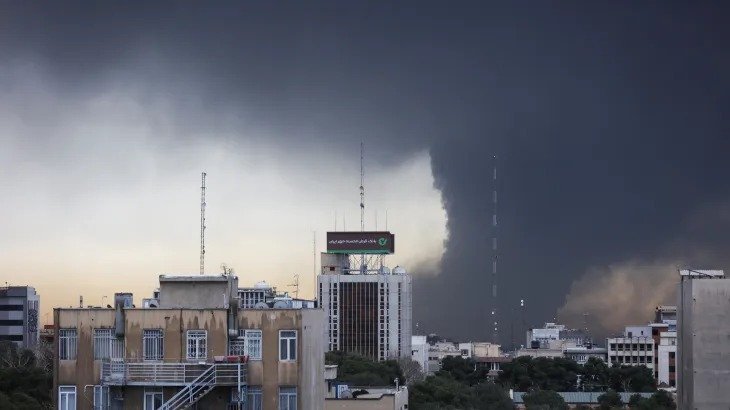
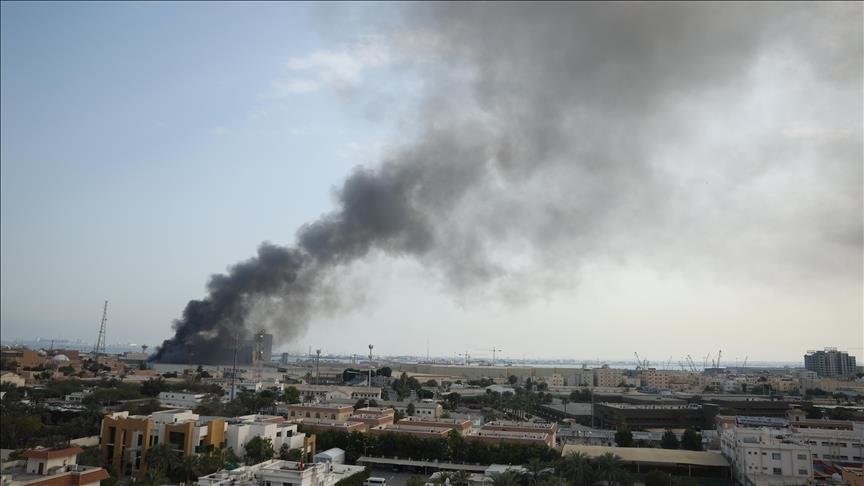
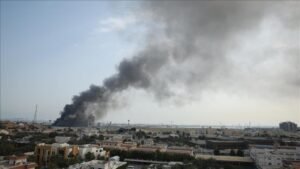
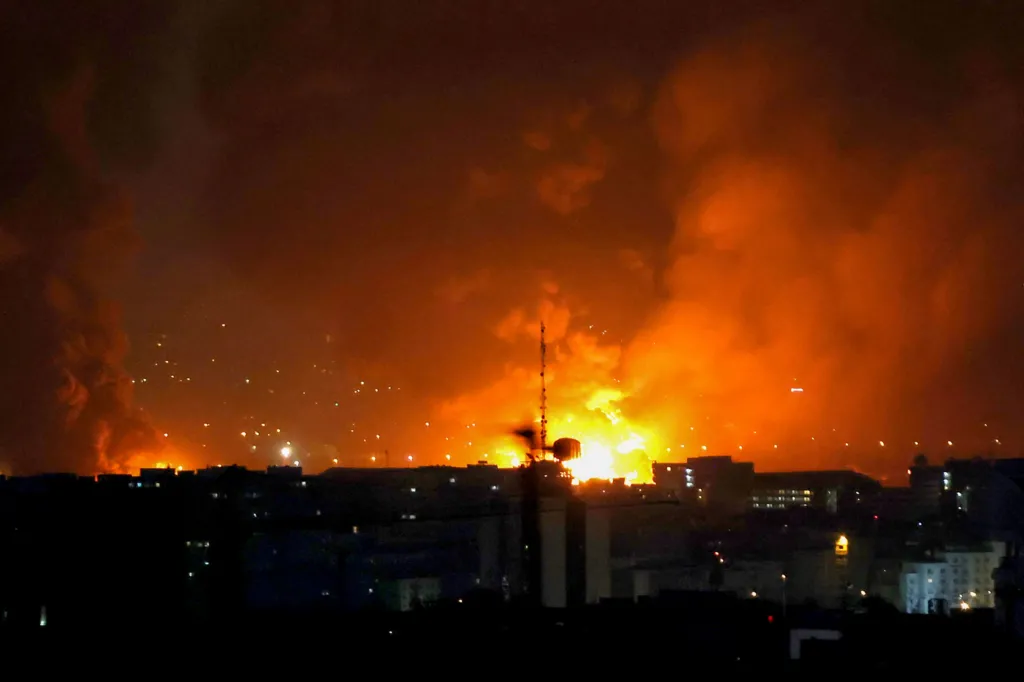
Late Saturday night, Israeli forces carried out strikes on multiple fuel and energy facilities in Tehran and surrounding areas. Smoke and fire were seen across parts of Iran’s capital following the bombardment.
In response, Iran’s Islamic Revolutionary Guard Corps (IRGC) announced it struck Israel’s Haifa oil refinery, though Israeli authorities have not publicly confirmed damage at that site.
Simultaneously, Iranian attacks continued across the Gulf. Saudi Arabia’s defense ministry reported intercepting a drone aimed at Riyadh’s diplomatic district, while Iranian forces also targeted facilities in Kuwait.
Iranian official statements frame these operations as direct retaliation for the US‑Israeli military campaign that began earlier in the conflict, linking them to strikes on Iranian territory and infrastructure.
Claims have also surfaced from Tehran that US troops have been captured during engagements, though US officials have denied such reports.
Meanwhile, the US has acknowledged the deaths of several American service members in Iranian missile attacks, and their remains were recently repatriated during a ceremony attended by President Donald Trump.
Why This Matters
The conflict’s expansion to energy infrastructure in Tehran and industrial targets in Israel raises the stakes far beyond the battlefield. Oil facilities are linchpins of national economies, and sustained damage to these sites threatens long‑term economic strain.
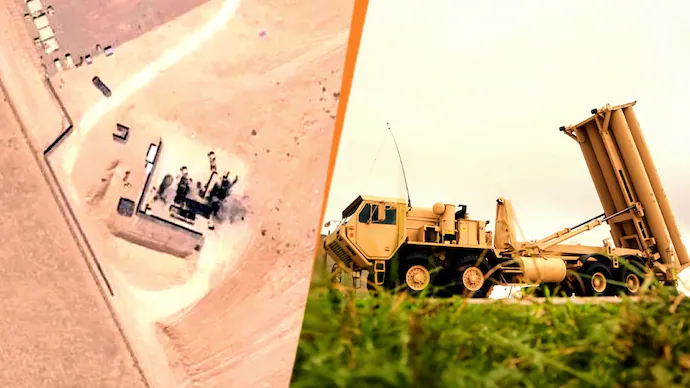
The confrontation is also affecting regional security environments. Gulf states like Saudi Arabia, Kuwait, Qatar, and the UAE are increasingly drawn into the orbit of hostilities, reflecting how a bilateral conflict has now taken on multilateral dimensions.
This broader scope increases risks for civilian populations, international airspace safety, and foreign military deployments, making it harder for outside powers to manage or contain the conflict effectively.
What Analysts or Officials Are Saying
Security experts suggest the escalation signals strategic recalibration by both sides. Israeli operations are believed to aim at crippling Iran’s capability to sustain prolonged retaliation, while Iranian officials have framed their ongoing campaign as defensive and necessary to deter further strikes.
Some regional analysts argue that Iran’s broad use of drones and missiles across multiple Gulf states is intended to disperse the conflict and strain coalition defenses.
Western observers also note that while diplomatic overtures and warnings from Gulf states aim to prevent a wider war, the absence of clear de‑escalation mechanisms has emboldened combatants on both sides.
Daljoog News Analysis
The ninth day of this conflict illustrates a dangerous evolution from isolated strikes to a multi‑front regional confrontation. The attacks on energy infrastructure reveal a shift toward targeting strategic economic assets, not solely military units.
Iran’s response pattern — extending strikes into Israel and throughout Gulf territories — appears calculated to stretch defense systems and demonstrate capability depth. Whether this strategy succeeds in deterring further Israeli and American actions is yet unclear, but it undeniably raises the potential cost of continued escalation.
At the same time, Israeli denial of some Iranian claims — such as specific refinery damage — suggests information warfare dynamics are increasingly part of the conflict. Accurate verification is challenging amid rapid developments, complicating assessments of actual battlefield events.
Ultimately, as the conflict moves beyond traditional battlefield lines, economic, civilian, and diplomatic arenas are now active theaters of influence and consequence.
What Happens Next
Analysts expect the confrontation to continue in the short term, with both Iran and Israel preparing for further operations. Tehran has not signaled a willingness to de‑escalate absent significant changes on the ground, while Israel appears poised to target additional Iranian strategic assets.
Diplomatic efforts by third parties, including some Gulf states and international mediators, may increase in intensity to prevent wider regional escalation.
Meanwhile, external observers and foreign governments will watch for signs of shifts in military tactics, potential cease‑fire negotiations, or unforeseen flare‑ups in unexpected locales.