


Israel is facing a deepening food crisis as the country’s long-running military operations take a heavy toll on ordinary citizens. Rising food insecurity has emerged alongside escalating war expenditures, highlighting vulnerabilities within the nation’s economy.
According to Daljoog News analysis, the current crisis exposes the hidden costs of prolonged conflict. While Israel maintains one of the world’s strongest militaries, significant portions of the population are struggling to access basic nutrition, revealing cracks in domestic food distribution and economic resilience.
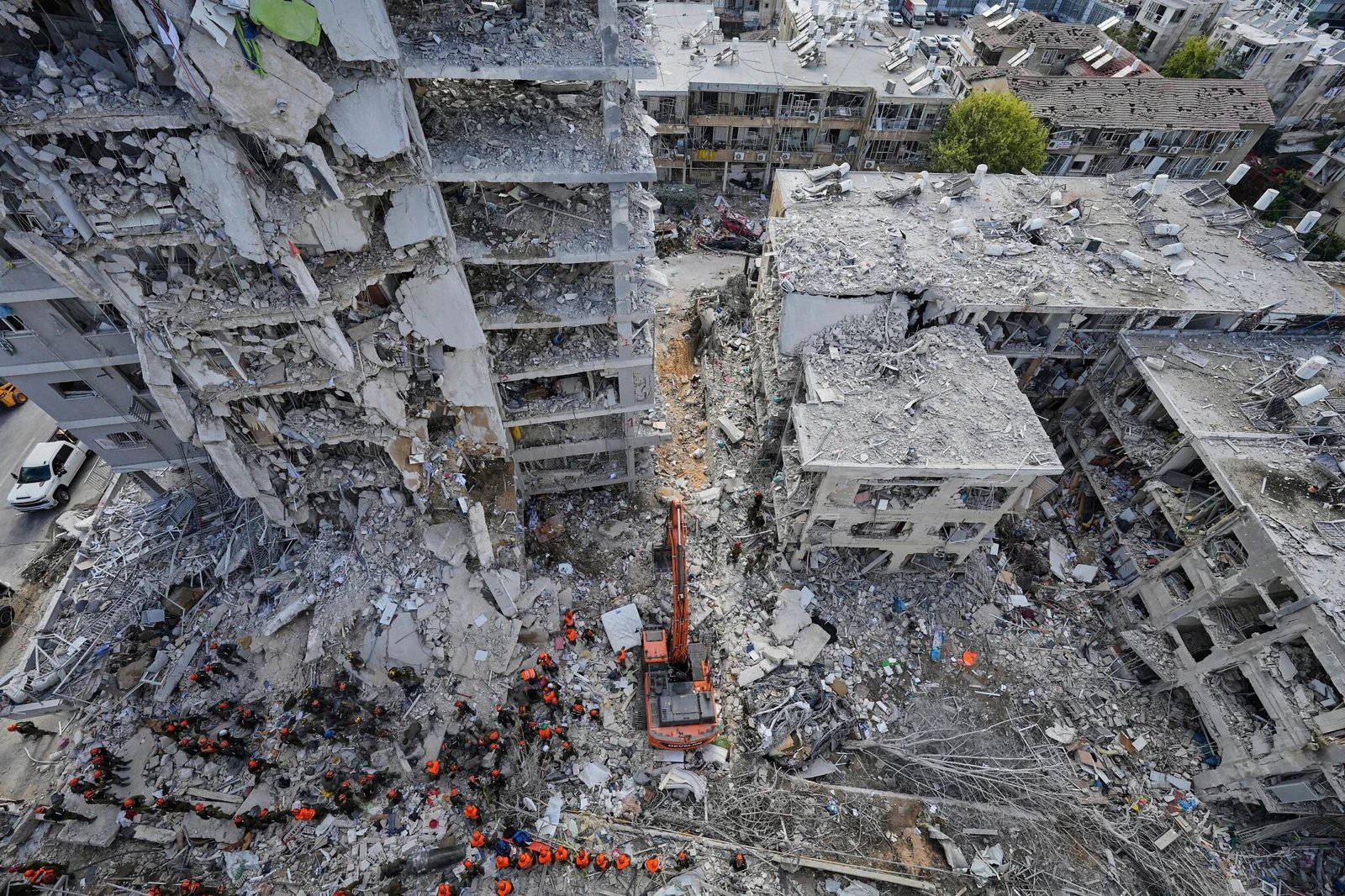
The crisis comes at a time when Israel is engaged in intense military operations in Gaza and along its northern borders. Analysts note that the intersection of war-driven economic contraction and mismanaged domestic policy has intensified hardships for millions of families.
What Happened?
Recent data indicate that nearly 39 percent of food produced and consumed in Israel is wasted. In 2024, this food waste carried a financial cost of roughly 26 billion shekels, equivalent to $7 billion, or 1.3 percent of the country’s GDP. Meanwhile, approximately 1.5 million Israelis are experiencing food insecurity, a sharp contrast to the country’s high production losses.
The agricultural sector has been severely disrupted by the conflict. Restrictions on Palestinian and foreign labor, along with the deployment of reserve soldiers to active combat, have left significant portions of farmland—particularly near Gaza and the northern borders—unworked. About 30 percent of Israel’s arable land is currently inactive due to the conflict.
Economically, Israel’s GDP shrank by 20.7 percent in the last quarter of 2023, marking one of the largest contractions in its history. At the same time, military spending has surged from $1.8 billion to $4.7 billion, with the total cost of ongoing operations projected to reach $56 billion by 2025.
Why This Matters
The immediate impact of this economic and military imbalance is felt most acutely by low- and middle-income families. Rising inflation and soaring food prices have pushed a quarter of Israeli households into food insecurity. Social safety programs have been scaled back to fund military operations, leaving ordinary citizens to bear the brunt of financial strain.
The current situation underscores a broader pattern in which prolonged conflict can generate “blowback” within a country’s domestic economy. Food insecurity in Israel is not simply a logistical failure—it is a symptom of systemic imbalance, where national priorities heavily favor defense over civilian welfare.
What Analysts or Officials Are Saying
Experts describe Israel’s internal food crisis as the unintended economic consequence of continuous military engagement. Analysts highlight that while the humanitarian crisis in Gaza is directly linked to active warfare and blockades, the shortages within Israel itself stem largely from domestic policy failures and the economic pressures of wartime budgeting.
Bank of Israel economists warn that continued military expenditure at current levels risks exacerbating inflation and social inequality. Officials have responded with emergency subsidies and food assistance programs, but these measures have yet to address structural weaknesses in supply chains or production.
Daljoog News Analysis
The Israeli food crisis reveals a stark tension between military ambition and domestic well-being. While defense spending is justified as a national security imperative, the scale of citizen hardship exposes an imbalance in national priorities. Widespread food insecurity alongside billions spent on warfare reflects a policy paradox: the state can project power abroad yet struggle to sustain its people at home.
This crisis also raises questions about long-term economic resilience. Repeated cycles of conflict have left the agricultural sector vulnerable, undermined social safety nets, and created a scenario where ordinary citizens pay the “hidden price” of national security. In essence, Israel’s current food shortages are neither random nor temporary—they are a foreseeable consequence of sustained military engagement paired with inadequate domestic planning.
What Happens Next
Short-term relief efforts may alleviate some hardship, but analysts stress that sustainable solutions require structural reform. Restoring labor in agriculture, reducing food waste, and rebalancing spending priorities could help mitigate long-term insecurity.
Observers also note that the trajectory of the conflict will continue to shape domestic economic outcomes. Unless the state addresses both war-driven disruption and systemic food policy gaps, millions of Israelis may face worsening insecurity even as military operations continue.
As the crisis unfolds, it offers a cautionary lesson on the domestic costs of prolonged conflict and the delicate equilibrium between national security and citizen welfare.