


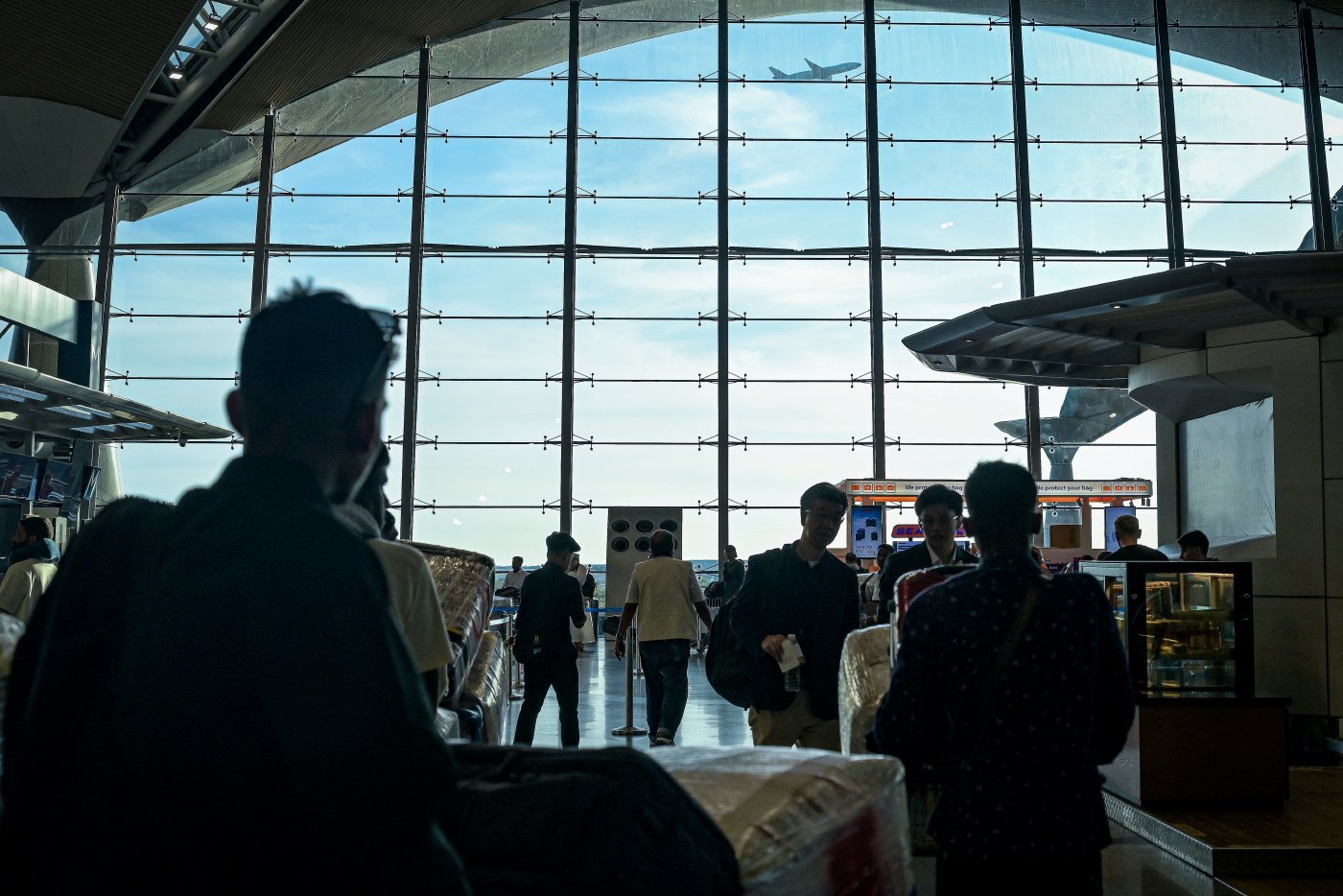
Israeli travelers are increasingly facing detention at Malaysian airports, both during entry attempts and international transit. Recent reports indicate multiple incidents where Israeli passport holders were held for hours or days, creating significant travel disruptions.
According to Daljoog News analysis, these detentions reflect growing regional sensitivities and heightened scrutiny of Israeli nationals in Southeast Asia. Transit and entry rules are becoming unpredictable, affecting travel plans and raising concerns over safety and logistics.
The trend has triggered warnings from the Israeli embassy in Singapore, advising citizens to reconsider travel through Malaysia until the situation stabilizes. These developments underline the broader complexities of regional mobility for certain nationalities.
What Happened?
Over the past few months, Malaysian authorities have detained at least eight Israeli nationals at Kuala Lumpur International Airport. Some were attempting to enter Malaysia, while others were using the country as a transit point to reach destinations such as the Philippines or other Asian nations.
One recent case involved four young Israeli travelers en route to the Philippines. While in transit at Kuala Lumpur, two women had checked a chatbot for safety advice and were initially told the stopover was safe. Observing worsening conditions, they ultimately decided to return.
In another instance, two Israeli men traveling from Cambodia to the Philippines were detained in Malaysia and returned to Cambodia after two days. Reports note that detentions typically last 24 to 48 hours but can extend further, especially if other countries refuse entry to deportees.
Why This Matters
These detentions highlight growing challenges for Israeli travelers in Southeast Asia. Even brief transit through Malaysia now carries potential risks of delays, logistical complications, and added costs. For airlines and international travelers, these incidents create uncertainty in planning routes and schedules.
The trend also signals the geopolitical sensitivities affecting civilian travel. While Malaysia has not publicly detailed the reasons for detentions, the incidents illustrate how regional tensions can translate into practical obstacles for ordinary travelers.
What Analysts or Officials Are Saying
The Israeli embassy in Singapore has intervened in several cases, helping to secure the release of detained citizens. Officials have advised that Israeli nationals should avoid Malaysia for both transit and tourism, emphasizing that assuming “everything will be fine” could carry personal risks.
Analysts note that the rise in detentions may reflect broader diplomatic pressures or precautionary security measures. While some cases are resolved quickly, others involve extended holds that disrupt travel and impose additional financial burdens on travelers.
Daljoog News Analysis
The Malaysian detentions underline how international travel can become entangled with geopolitical sensitivities. For Israeli citizens, what was once a routine transit stop now carries tangible risks, and embassies are increasingly acting to provide guidance and support.
For the travel and aviation sectors, these incidents underscore the importance of monitoring diplomatic developments and preparing contingency plans. They also reflect a broader trend where mobility for certain nationalities is increasingly conditional on regional politics.
What Happens Next
Israeli travelers are likely to avoid Malaysia until authorities clarify entry and transit protocols. Airlines may adjust flight routing to minimize risks, and regional embassies are expected to increase monitoring and guidance.
Extended diplomatic dialogue may be necessary to ensure smoother transit for international travelers. Meanwhile, the situation could influence broader travel trends, insurance considerations, and regional mobility policies for affected nationalities.