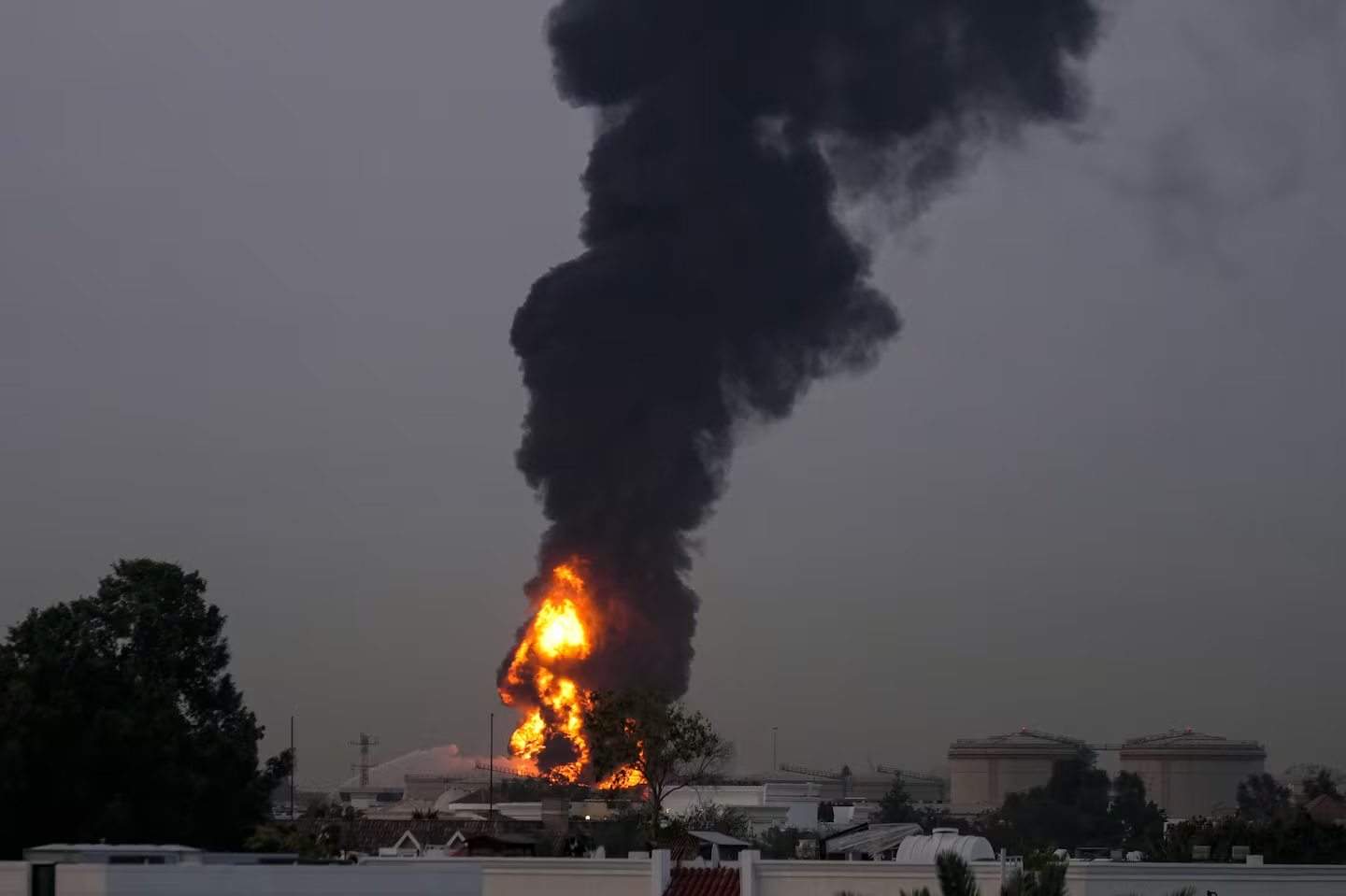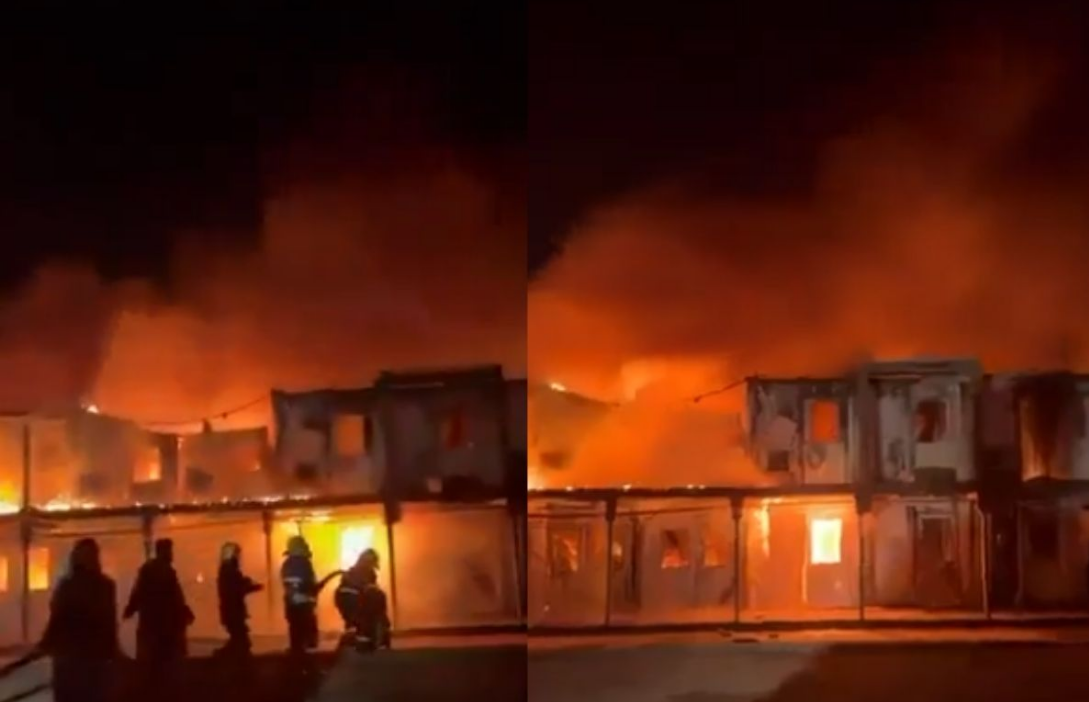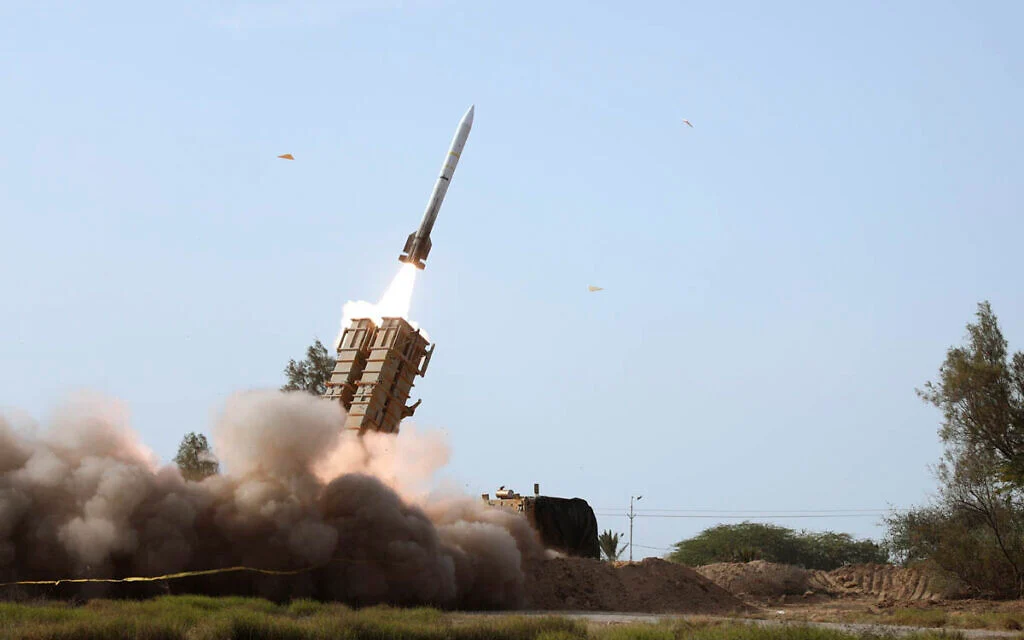



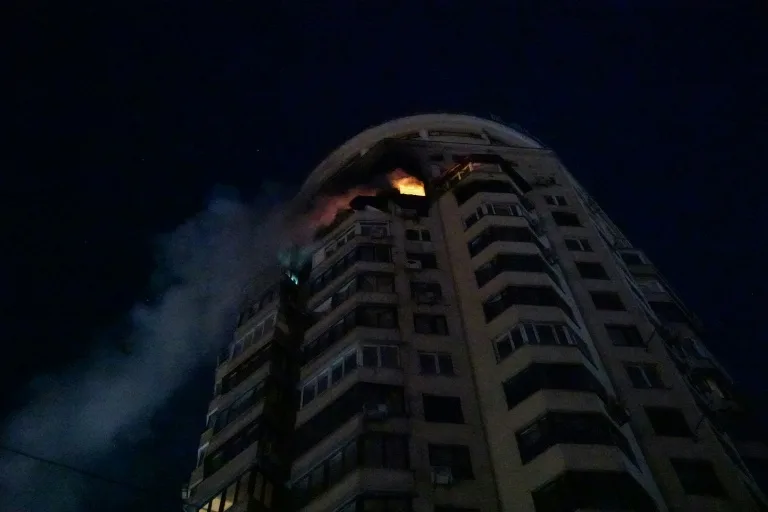
Russia launched its largest assault of the year on Ukraine’s energy infrastructure overnight, cutting power and heating to hundreds of thousands of homes as temperatures plunged toward minus 20C. Two teenagers were killed in Zaporizhzhia, and a Soviet-era monument in Kyiv was damaged.
According to Daljoog News analysis, the timing and scale of the attacks suggest a deliberate attempt to maximize civilian hardship, even as peace talks mediated by the United States were scheduled to resume in Abu Dhabi.
The strikes underscore the enduring vulnerability of Ukraine’s energy grid and the ongoing humanitarian challenges facing residents in cities like Kyiv, Kharkiv, and Zaporizhzhia during the harshest winter since the start of the conflict.
What Happened?
Ukrainian officials reported that Russia targeted power plants, high-rise buildings, and other critical energy infrastructure using 71 missiles and 450 attack drones. The attacks left more than 1,100 residential buildings without heating, forcing authorities to cut power to additional homes to prevent network-wide freezing.
Kyiv experienced overnight air raid alerts as explosions echoed across the city. Residents woke to broken windows, creaking ice, and heating failures as temperatures dropped to minus 19C. In Kharkiv, temporary outages affected around 100,000 subscribers, while Zaporizhzhia saw a drone strike that killed two teenagers and injured at least 11 others.
The strike damaged the base of Kyiv’s iconic Motherland monument, a Soviet-era memorial, drawing sharp condemnation from Ukrainian officials who described the attack as both symbolic and cynical.
Why This Matters
The timing of the strikes is particularly significant. They occurred a day before the second round of U.S.-brokered peace talks in Abu Dhabi, highlighting Russia’s apparent disregard for diplomatic efforts. Ukrainian President Volodymyr Zelensky criticized Moscow for prioritizing attacks over negotiations.
According to Daljoog News analysis, the strikes demonstrate how energy infrastructure has become a central target in modern warfare, amplifying civilian suffering to exert political pressure. With hundreds of thousands of homes left without heat, winter conditions magnify the humanitarian impact, particularly on children and the elderly.
These attacks also risk undermining confidence in Ukraine’s ability to maintain essential services during crises, while signaling Russia’s willingness to escalate military operations despite international diplomatic engagement.
What Analysts or Officials Are Saying
U.S. President Donald Trump called on Vladimir Putin to end the war, urging him to extend a temporary halt in strikes to protect civilians from freezing winter temperatures. NATO officials visiting Kyiv, including Dutch Prime Minister Mark Rutte, described the attacks as inconsistent with a serious commitment to peace.
Ukraine’s Energy Minister Denys Shmygal said the strikes deliberately targeted residential heating systems, while the Culture Minister highlighted the symbolic damage to national monuments. Kremlin statements framed the assault as a “massive strike” against military-industrial and energy targets.
Analysts note the dual message of the attacks: inflicting civilian hardship while signaling Russia’s leverage in territorial negotiations. Russian occupation authorities also reported Ukrainian shelling in southern regions, illustrating the ongoing cycle of crossfire in contested territories.
Daljoog News Analysis
Russia’s winter attacks reveal a calculated approach to modern conflict, where infrastructure and symbolic sites are used to exert both strategic and psychological pressure. Daljoog News observes that targeting energy networks in sub-zero temperatures maximizes civilian suffering, raising ethical and humanitarian concerns.
The strikes also highlight the fragility of Ukraine’s winter preparedness, even in major cities. Energy providers are forced into reactive measures, such as preemptive heating cuts, to prevent wider system failures. Beyond immediate disruption, the attacks serve as a warning to international mediators that Russia retains the capability to escalate while negotiations proceed.
Additionally, damage to monuments and historical sites underscores the broader cultural stakes of the conflict, reinforcing the narrative of repeated aggression against symbols of national identity.
What Happens Next
The second round of U.S.-mediated talks in Abu Dhabi is scheduled to focus on territorial disputes, particularly in Donetsk and other eastern regions. Russia has reiterated that it may seize territory by force if diplomacy fails.
Ukraine faces the immediate challenge of restoring energy services during freezing conditions while managing humanitarian needs. The international community, including NATO and U.S. officials, will likely monitor the impact of the strikes closely, as civilian suffering could influence global opinion and diplomatic leverage.
The winter offensive signals that Russia may continue targeting critical infrastructure even as talks proceed, leaving both negotiators and civilians in a precarious position for the months ahead.