


Saudi Arabia has publicly accused the United Arab Emirates of undermining its national security, exposing a sharp rift in a relationship long kept private. The unusually blunt criticism reflects Riyadh’s growing unease with Abu Dhabi’s independent foreign policies, particularly in Yemen and Sudan.
Last week, tensions escalated when Saudi forces struck a UAE-linked shipment in Yemen. Riyadh has expressed concern that instability or collapse in Yemen or Sudan, both near Saudi borders, could threaten its security. Analysts say the dispute also extends to the Horn of Africa and Syria, where Saudi officials believe Abu Dhabi has formed ties with local groups, including the Druze community.
A UAE official defended the country’s actions, saying its foreign policy focuses on international cooperation, responsible leadership, and long-term regional stability. The official did not directly address the allegations about Syria. The UAE says its involvement in southern Yemen centers on strategic maritime routes, Red Sea security, and combating extremism, where ISIS and Al Qaeda remain active.
Saudi Arabia, however, sees Yemen, Sudan, and the Horn of Africa as directly impacting its national security. Proximity magnifies Riyadh’s sense of vulnerability, and analysts warn that even minor disagreements could carry significant consequences given both countries’ status as top global oil exporters and major economies in the Arab world. Key maritime chokepoints like the Strait of Hormuz and Bab al-Mandab further raise the stakes.
Historically, Saudi Arabia and the UAE were close partners in countering regional threats such as Iran’s influence and Islamist movements. They cooperated in the Yemen war, supported counter-revolutionary forces, and imposed a blockade on Qatar over alleged support for Islamist groups. Over time, their alignment has frayed. Diverging priorities have led the two countries to support opposing sides in regional conflicts, particularly in Yemen and Sudan.
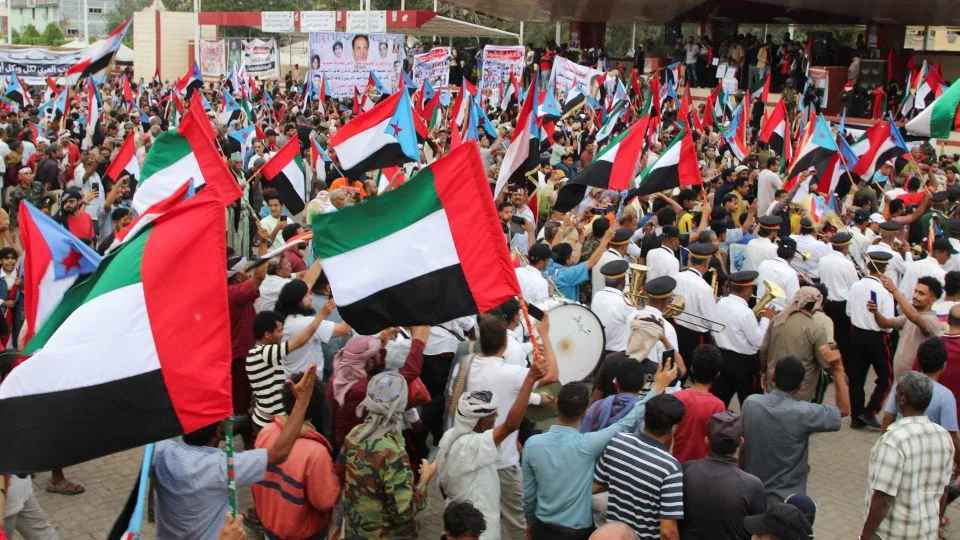
The recent rift became public after Yemen’s UAE-backed Southern Transitional Council seized southern provinces in December. Saudi authorities believe the UAE encouraged separatist movements under the mistaken impression that Saudi Arabia had requested U.S. sanctions against Abu Dhabi. Riyadh has since clarified that no such request was made.
In response, Saudi Arabia launched airstrikes on UAE-linked shipments in Yemen and called for Abu Dhabi forces to leave. While the UAE pledged to withdraw troops, Saudi state media and commentators continue to criticize Abu Dhabi’s actions, reinforcing the kingdom’s message that border security is non-negotiable.
Experts say the dispute highlights Saudi Arabia’s view of itself as the dominant power in the Gulf. Some commentators argue that smaller states, including the UAE, occasionally act independently, believing they are equal partners rather than beneficiaries of a system stabilized by Riyadh. The UAE, in turn, has pursued independent policies, normalizing relations with Israel and expanding influence beyond its immediate neighborhood.
UAE leaders emphasize the country’s regional and global influence, promoting economic development, countering extremism, and demonstrating stability in a volatile region. Cities like Dubai have become hubs for commerce, investment, and modernity, attracting talent and international attention.
Despite the public tension, analysts do not expect the dispute to escalate into open conflict. Economic competition and diplomatic maneuvering are more likely outcomes. Both Saudi Arabia and the UAE maintain close ties with the United States and Israel, and Washington may become a venue for managing future rivalry.
Under Crown Prince Mohammed bin Salman, Saudi Arabia has prioritized economic transformation, which could temper Riyadh’s appetite for military escalation. Experts say both countries’ economic and military capabilities give them leverage, but prior experiences, such as the failed Qatar blockade, suggest confrontation may be avoided in favor of strategic competition.
The Saudi-UAE rift demonstrates how shifting priorities, regional ambitions, and independent foreign policies are reshaping Gulf dynamics. While the two countries remain allies in many areas, the dispute underscores a deeper struggle for influence, security, and leadership in the region.