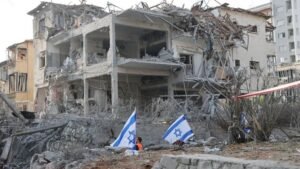

Overnight attacks across Iran reportedly killed several senior commanders from the Islamic Revolutionary Guard Corps (IRGC), as a wave of strikes hit multiple cities, including Tehran and Isfahan. Explosions were reported at military and industrial sites, while Israeli sources claimed several targeted killings were carried out during the operation.
According to Daljoog News analysis, the strikes appear designed to weaken Iran’s military leadership and disrupt the command structure of the IRGC. The reported deaths of senior figures suggest the operation focused not only on infrastructure but also on key personnel linked to Iran’s security network.
The attacks come during a period of heightened regional tension, as Israel and its allies increase pressure on Iran over its military capabilities and regional activities. The scale and coordination of the overnight operation indicate a widening confrontation that now spans multiple countries in the Middle East.
What Happened?
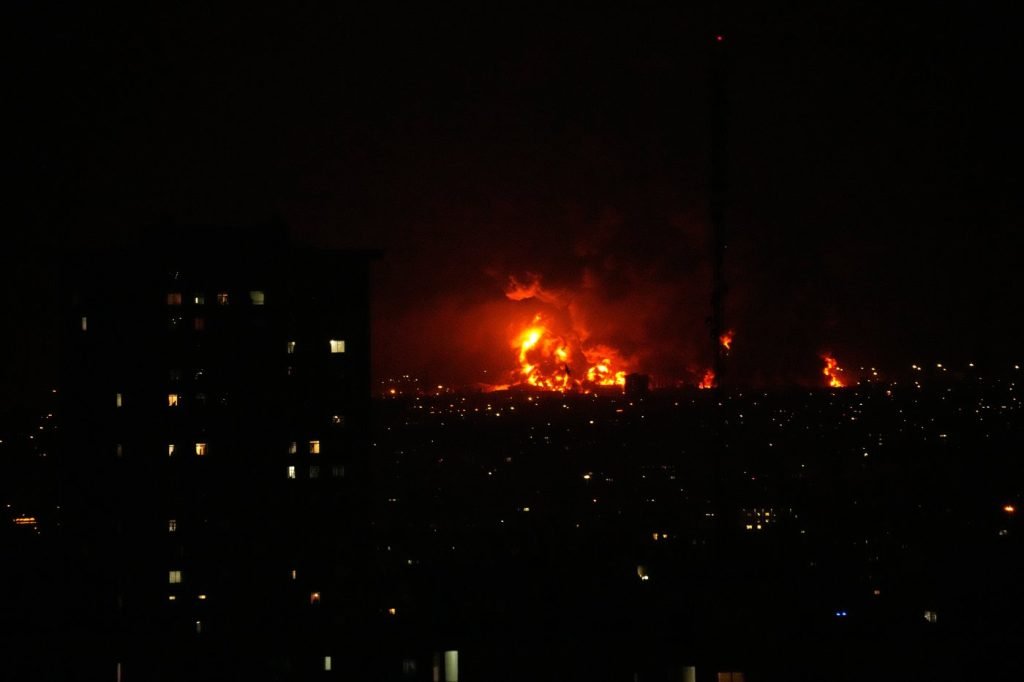
A series of coordinated strikes reportedly targeted military and strategic locations across Iran late at night and into the early morning hours. Explosions were reported in several cities, including Tehran, Tabriz, Isfahan, Bandar Abbas, Ahvaz, and Yazd.
Israeli sources claimed that multiple IRGC leaders were killed during the attacks. Among those reportedly killed was senior IRGC figure Ali Hashemi in Isfahan. According to Israeli claims, he served as a deputy commander for the Revolutionary Guard in the region.
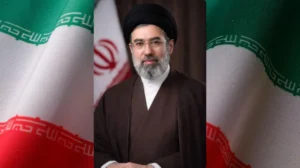
Another close associate of Iran’s Supreme Leader Ayatollah Ali Khamenei was reportedly killed in Tehran during a separate targeted strike. Details about the individual have not yet been fully confirmed by Iranian officials.
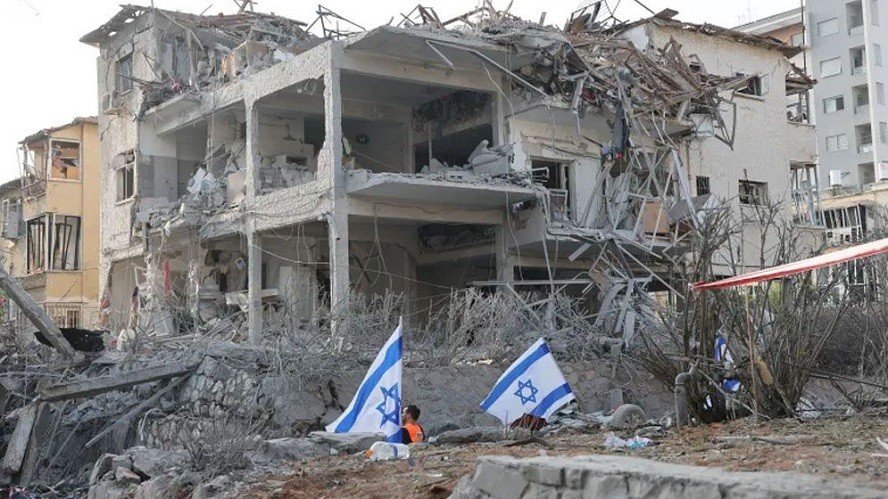
The attacks also extended beyond Iran’s borders. In Beirut, Lebanon, a strike reportedly hit a hotel where several individuals were staying. Five people were reported dead, including three commanders associated with the Revolutionary Guard.
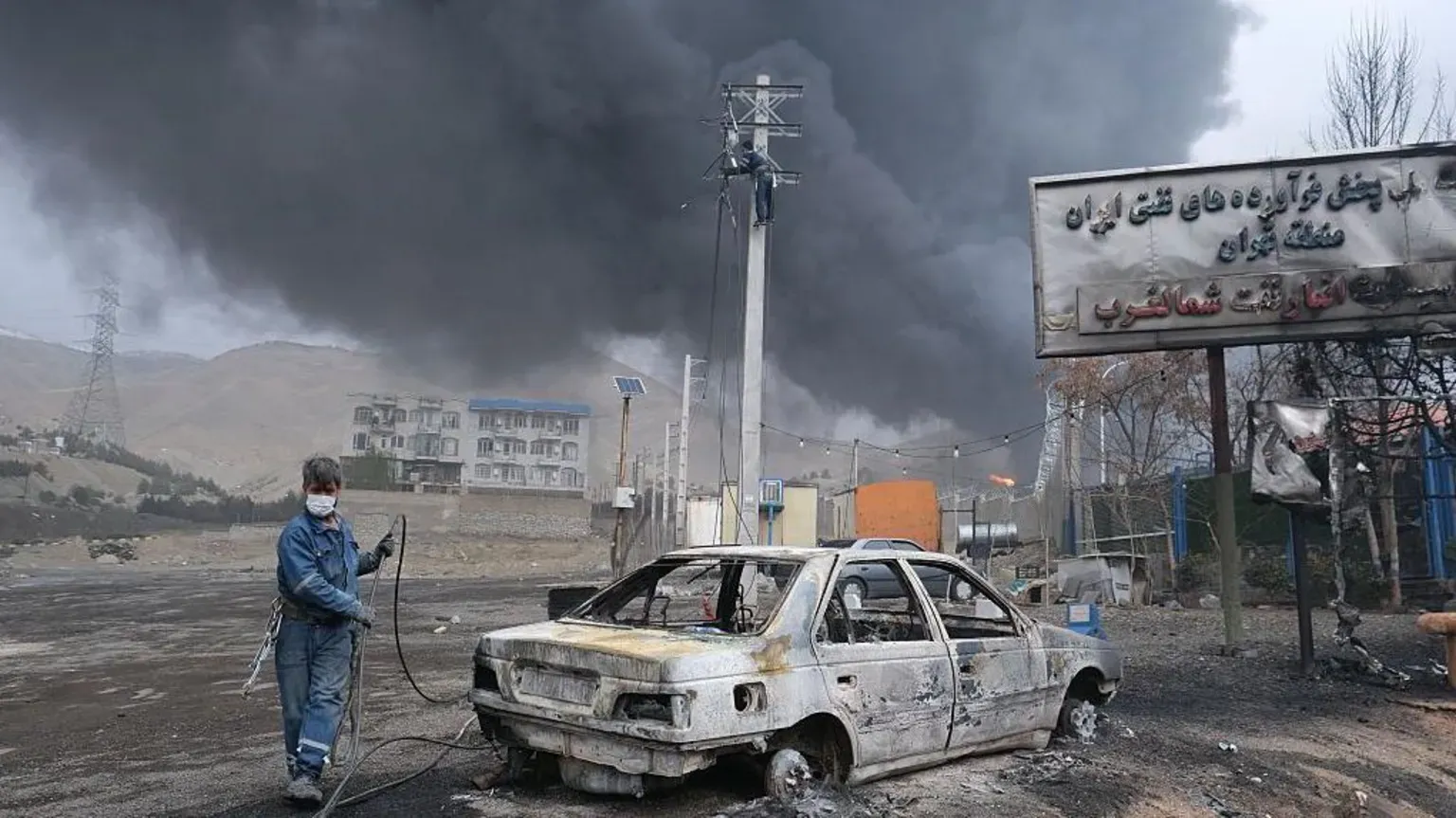
In addition to targeting individuals, the strikes focused heavily on military infrastructure. Reports indicate that nearly fifty ammunition storage facilities were targeted by missile attacks.
Fuel depots and oil processing facilities were also reportedly struck during the operation. Emergency crews were deployed to multiple sites as fires and secondary explosions were reported following the attacks.
Why This Matters
Targeting senior commanders represents a significant escalation in the confrontation between Israel and Iran. Operations aimed at eliminating leadership figures can disrupt coordination within military organizations and weaken command chains.
The Islamic Revolutionary Guard Corps plays a central role in Iran’s defense and regional strategy. It oversees missile programs, elite military units, and maintains links with allied groups across the Middle East.
Removing experienced commanders may affect operational planning and intelligence coordination within the organization. Even temporary disruptions in leadership structures can slow military responses and complicate decision-making.
Strikes on ammunition depots and fuel infrastructure also suggest a broader effort to degrade Iran’s logistical capabilities. Destroying storage sites could reduce the availability of weapons or supplies needed for military operations.
The involvement of locations outside Iran, such as the incident reported in Beirut, signals that the confrontation is no longer confined to a single battlefield. Instead, it reflects the transnational nature of the rivalry between Iran and Israel.
What Analysts or Officials Are Saying
Security analysts believe the strikes show increasing precision in targeting individuals linked to Iran’s military leadership. Targeted operations against commanders often rely on detailed intelligence about movements, meetings, and safe locations.
Regional experts say that such operations aim to disrupt strategic planning within organizations like the IRGC. Removing mid-level and senior leaders can create uncertainty and force rapid leadership adjustments.
Israeli officials have previously argued that operations targeting Iranian military networks are intended to prevent the expansion of regional threats. Iranian officials, however, typically frame these incidents as acts of aggression that violate national sovereignty.
Diplomatic observers also warn that targeted killings can trigger cycles of retaliation. Iran has previously responded to similar actions through missile strikes, cyber operations, or activities involving allied groups in the region.
Daljoog News Analysis
The reported killings of multiple IRGC leaders suggest that the latest strikes were carefully planned to deliver both tactical and symbolic impact. Eliminating high-ranking officers can send a message about intelligence reach and operational capability.
At the same time, such operations rarely end conflicts. History shows that military organizations often replace fallen leaders quickly, sometimes promoting younger commanders who may adopt more aggressive strategies.
Another important factor is regional perception. Actions that target military leaders in one country can influence political calculations across neighboring states, especially those connected to Iran through alliances or security partnerships.
If strikes continue to combine infrastructure damage with leadership targeting, the conflict may evolve into a sustained campaign rather than isolated incidents. That shift would increase the likelihood of broader instability across the region.
For policymakers and analysts, the central question is whether these operations are intended as deterrence signals or as part of a longer strategy to weaken Iran’s military influence.
What Happens Next
The immediate focus will be on Iran’s response. Tehran has historically reacted to targeted killings through a combination of military signaling and indirect operations carried out by allied groups.
Authorities in Iran are also likely to investigate how intelligence about senior commanders’ locations may have been obtained. Security reviews within the Revolutionary Guard could follow if the reported deaths are confirmed.
International actors are expected to call for restraint, particularly as strikes spread across multiple countries. Diplomatic efforts may intensify in an attempt to prevent further escalation.
Meanwhile, military activity across the region is likely to remain elevated. Air defenses, missile systems, and intelligence monitoring are expected to stay on high alert as both sides assess the consequences of the overnight attacks.