

The United States may be underestimating Iran, experts warn, after its recent military operation in Venezuela. Early Saturday, U.S. forces conducted a sudden strike in Venezuela and captured President Nicolás Maduro. While this move created a sense of confidence in Washington, analysts caution that the same approach will not work in Tehran.
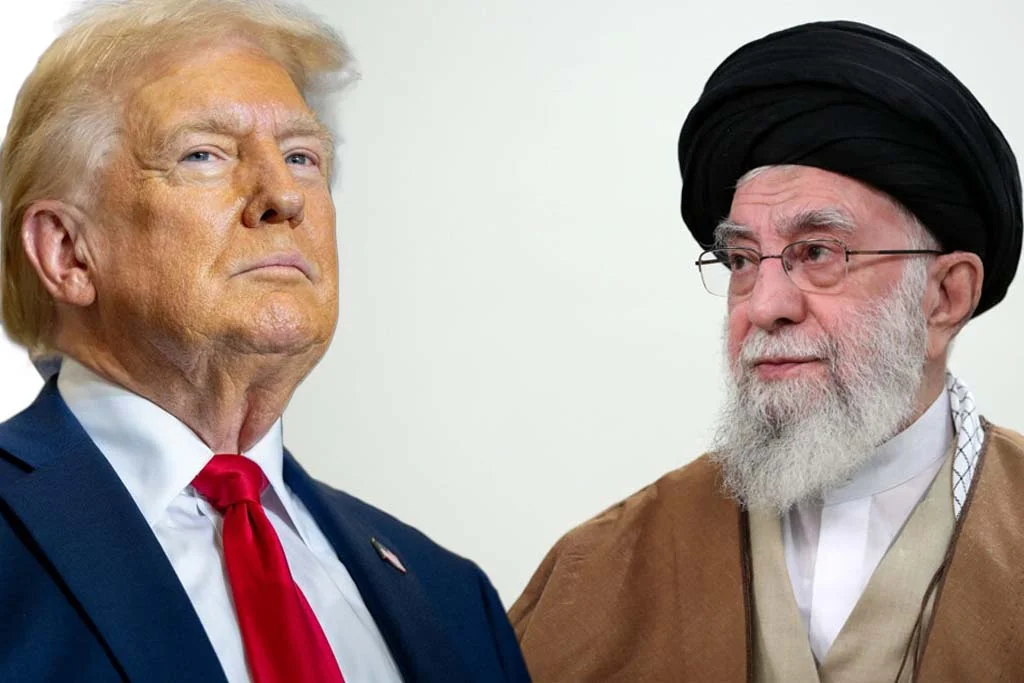
Before the Venezuelan operation, President Donald Trump had issued strong warnings about Iran. On Friday, he threatened military action if Iran failed to manage its economic crisis. Days earlier, during a meeting in Florida with Israeli Prime Minister Benjamin Netanyahu, Trump escalated his stance. He warned that Iran would face further attacks if it rebuilt its nuclear program or expanded its missile arsenal.
Netanyahu responded with enthusiasm. For decades, he has raised alarms about Iran’s alleged nuclear threats. During the meeting, he supported the possibility of another U.S. strike in 2026. The message was clear: while overt conflict is paused, the threat of confrontation remains.
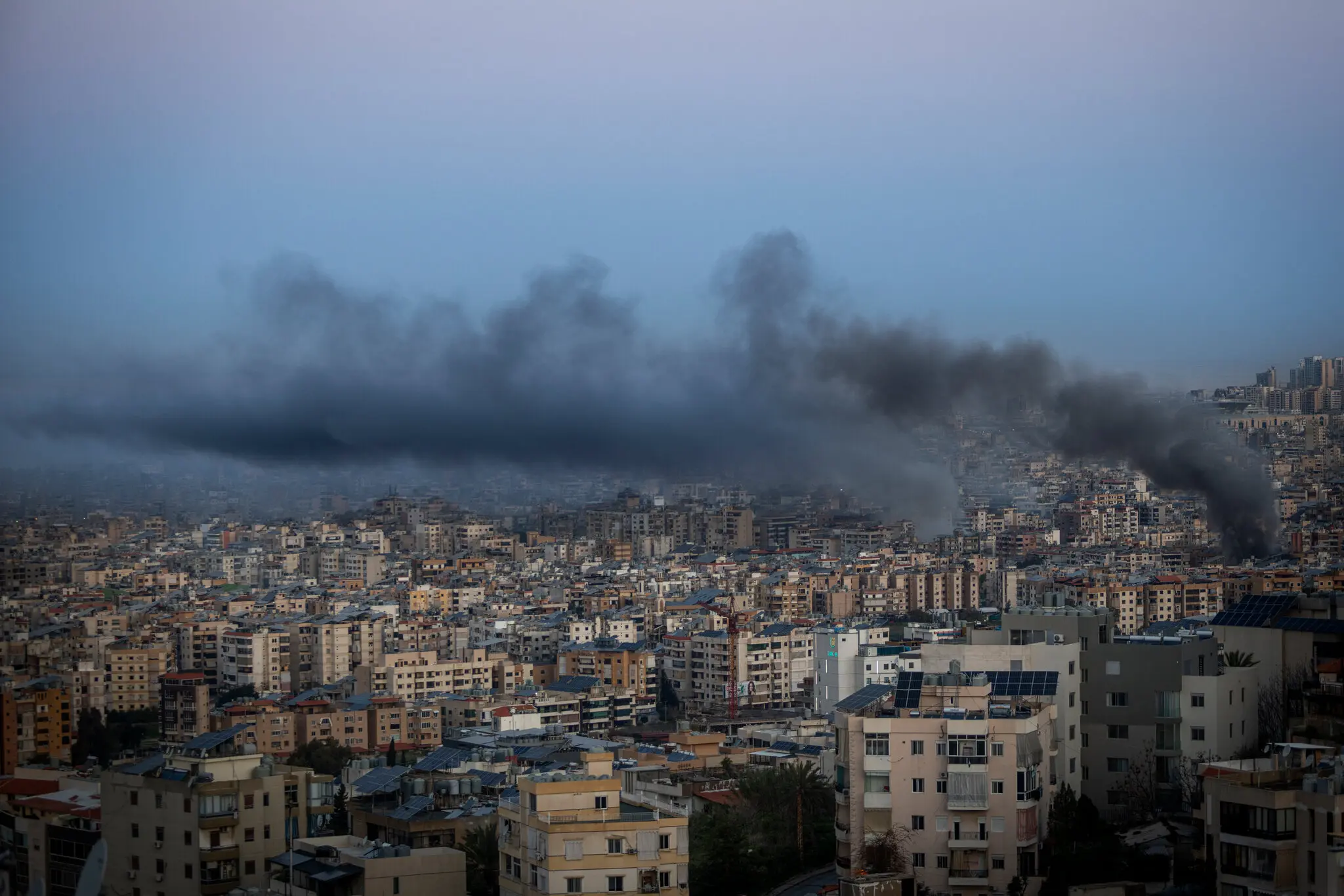
Last year, in June, Trump effectively authorized Israel to act against Iran. A twelve-day bombing campaign resulted in more than a thousand deaths, including women and children. U.S. forces reportedly targeted three Iranian nuclear sites. Washington and Tel Aviv believed that force alone would break Iran’s resistance. However, reality proved different.
According to Western briefings, Iran’s nuclear program was only delayed by a few months. Israeli analysts described the operation as directionless. Meanwhile, Iran’s missile systems successfully struck strategic targets beyond Israel’s defense capabilities, forcing Tel Aviv to retreat. The temporary ceasefire brokered by Qatar was not peace but a diplomatic pause, a white flag in disguise.
The biggest impact came from within Iran. Instead of weakening the government, the attacks strengthened national unity. Public grief turned into determination, and anger became resolve. Historical lessons, such as the eight-year Iran-Iraq war in the 1980s, show that Iran withstands immense pressure, including chemical attacks and international sanctions. Threats often strengthen Iranian cohesion rather than divide it.
Regional and global reactions were also unfavorable for Washington and Tel Aviv. Across the Arab and Muslim world, Israel’s attacks were condemned as illegal. Many countries in the Global South rejected the operations as neo-imperial aggression. Attempts to isolate Iran diplomatically backfired, bolstering its international standing.
Experts caution that Trump’s confidence following the Venezuelan operation may mislead him. Success in Venezuela does not guarantee similar outcomes in Iran. Analysts note that Israeli leaders, including Netanyahu, have long fueled confrontational rhetoric, but underestimating Iran’s capacity for retaliation is a serious error.
A French proverb captures the warning: “Do not play with a lion’s tail.” Iran’s response to provocation will not be contained by borders. Damage could be severe, and any insult would be irreparable. Those who try to break Iran’s unity may end up shattering themselves.
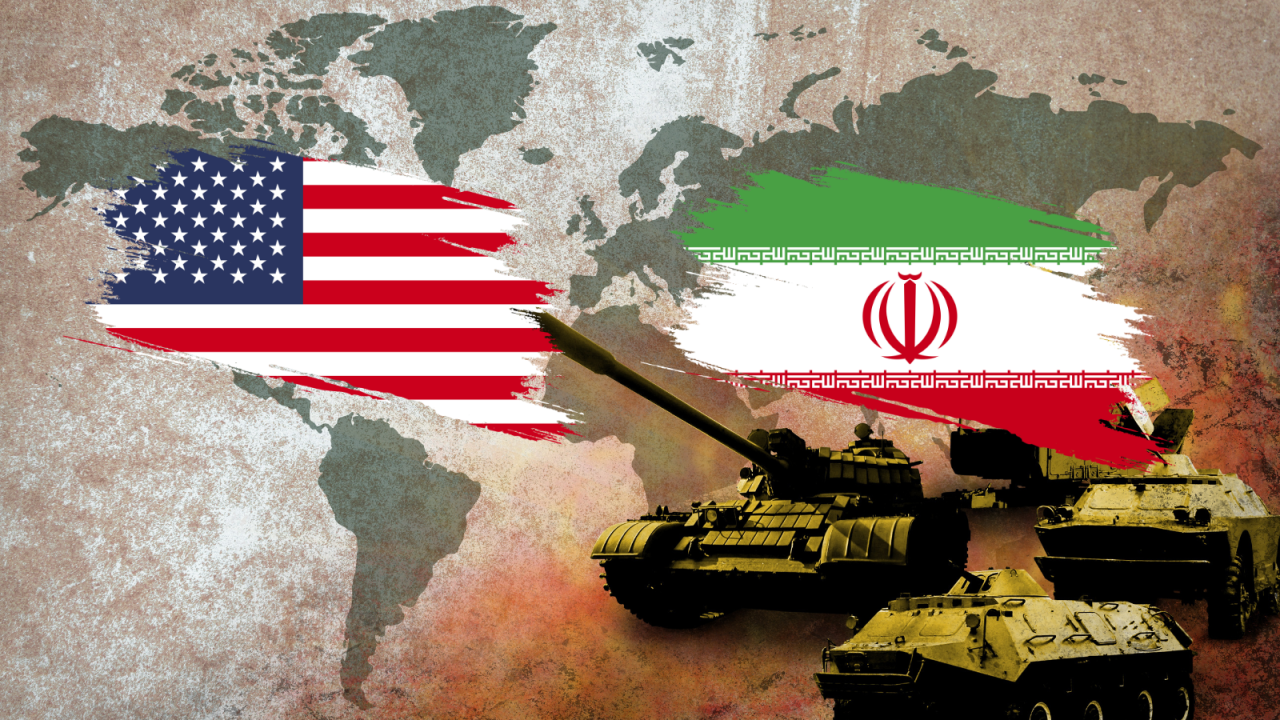
The message to U.S. policymakers is clear. Military success in one country cannot be replicated in another with a vastly different political, social, and military structure. While Washington may envision Iran responding like Venezuela, history suggests otherwise. Iran’s cohesion and strategic planning make it a far more resilient target.
Analysts urge caution. Overconfidence could lead to unintended escalation. Any miscalculation in Iran risks not only regional stability but also global security. Experts believe that careful diplomacy, rather than reliance on military strikes, remains the safer path for U.S. policy.
The Venezuelan operation, while operationally successful, should not be viewed as a template for Iran. Decision-makers must understand the limits of force and the consequences of underestimating an experienced and unified adversary. As tensions continue, the world watches closely to see whether diplomacy or confrontation will define the next stage of U.S.-Iran relations.