


U.S. President Donald Trump has proposed a massive $1.5 trillion defense budget for fiscal year 2027, citing the rising costs of the Iran war and expanding global security commitments. The proposal marks one of the largest military spending increases in modern U.S. history.
According to Daljoog News analysis, the budget reflects the growing financial strain of sustained military operations, with daily war expenses reaching unprecedented levels and forcing difficult trade-offs at home.
The proposal arrives at a time of deep political division in Washington, where debates over national security spending and domestic priorities are becoming increasingly sharp ahead of key legislative decisions.
What Happened?
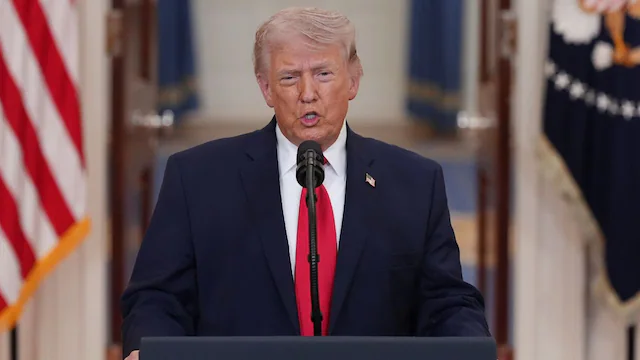
President Donald Trump submitted the proposed defense budget to U.S. lawmakers on Friday, outlining a sharp increase in military spending compared to the previous year. The plan represents more than a 40 percent rise in Pentagon expenditures, a scale not seen since the aftermath of World War II.
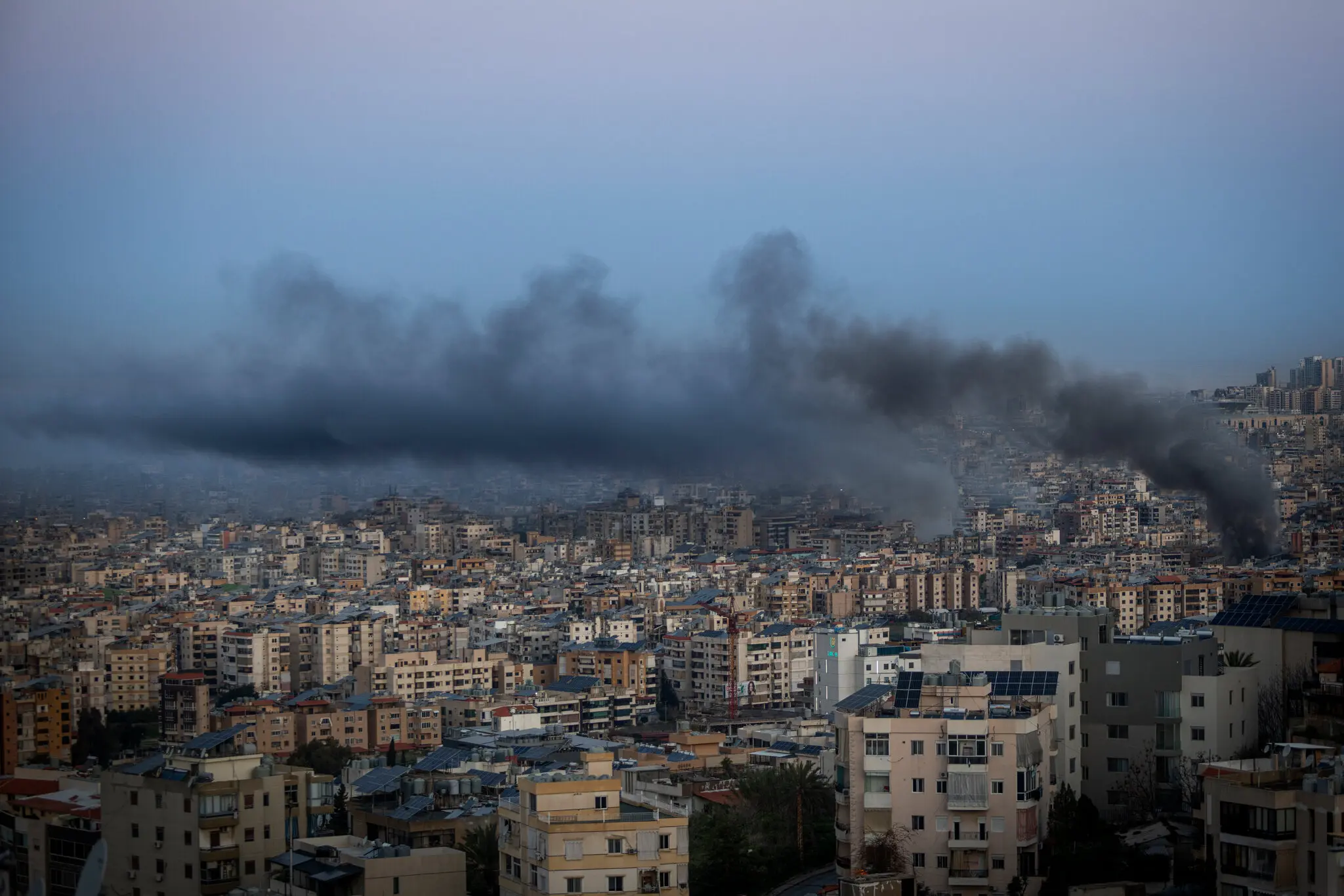
The surge is closely tied to the ongoing conflict involving Iran. Reports from U.S. media indicate that internal congressional briefings placed the daily cost of the war at around $2 billion. These expenses include active combat operations, logistical support, and the replenishment of weapons and ammunition.
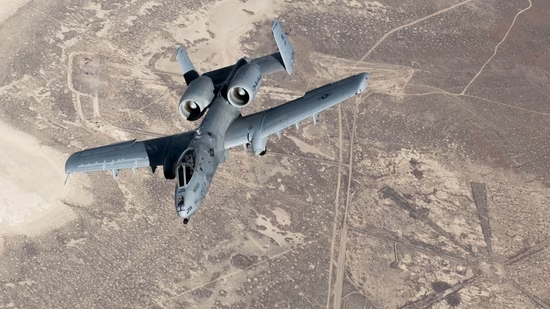
The administration argues that the increased funding is necessary to maintain operational readiness and sustain military campaigns. A significant portion of the proposed budget is expected to go toward rebuilding stockpiles of advanced weaponry and supporting deployed forces.
At the same time, the proposal outlines cuts in several domestic sectors to offset the rising defense costs. Programs related to environmental protection, housing assistance, and education face potential reductions under the plan.
Why This Matters
The proposed budget signals a major shift in U.S. fiscal priorities, placing national security spending above key domestic programs. This reallocation could have lasting effects on social services and economic stability within the country.
If approved, the budget would further expand the financial footprint of the Iran conflict, raising concerns about long-term sustainability. High daily costs suggest that prolonged engagement could strain federal resources and increase national debt.
The plan also highlights the broader challenge of balancing global military commitments with domestic needs. As defense spending rises, pressure grows on policymakers to justify reductions in public welfare programs.
On the international stage, such a significant increase in U.S. military funding may influence global security dynamics. Allies and rivals alike are likely to reassess their own defense strategies in response.
What Analysts or Officials Are Saying
Policy experts warn that the scale of the proposed increase could face serious resistance in Congress. While some lawmakers support strong defense funding, others question the long-term impact on domestic investment.
Opposition has been particularly strong among Democratic leaders, who argue that the administration is prioritizing war spending over essential public services. They have pointed to healthcare and social programs as areas that could suffer under the proposed cuts.
Analysts also note that shifting responsibilities for programs like childcare and healthcare to state governments could create uneven access across the country. States with fewer resources may struggle to maintain existing service levels.
Meanwhile, administration officials maintain that the spending increase is necessary to address immediate security threats and ensure military preparedness. They emphasize the importance of maintaining a strong defense posture in a volatile global environment.
Daljoog News Analysis
The $1.5 trillion defense proposal underscores how rapidly modern conflicts can reshape national budgets. The Iran war appears to be driving not only military strategy but also broader economic decisions.
President Donald Trump is making a calculated bet that security concerns will outweigh domestic backlash. However, the scale of the proposed cuts to social programs introduces political risks that could complicate the budget’s passage.
There is also a deeper structural issue. Sustained high-level defense spending often creates long-term fiscal pressure, especially when paired with reduced investment in public services. This dynamic can widen economic inequalities and strain government capacity over time.
The proposal may also signal a shift toward a more aggressive defense posture. By committing such a large share of resources to military operations, the administration is effectively setting the tone for U.S. policy in the coming years.
Daljoog News analysis suggests that the real challenge will not be passing the budget, but managing its consequences. Balancing war costs with domestic stability will remain a critical test for policymakers.
What Happens Next
The proposed budget now moves to Congress, where lawmakers will debate its size, priorities, and potential trade-offs. Amendments are likely, particularly concerning cuts to domestic programs.
Negotiations could take weeks or months, with both parties seeking to shape the final version. The outcome will depend on political compromise and public pressure.
If approved in its current form, the budget would significantly expand U.S. military capabilities while reducing federal involvement in several social sectors. If rejected or heavily modified, it could force the administration to reconsider its approach to both defense and domestic spending.
In the meantime, the financial and political implications of the Iran war will continue to influence decision-making in Washington, keeping defense spending at the center of national debate.