


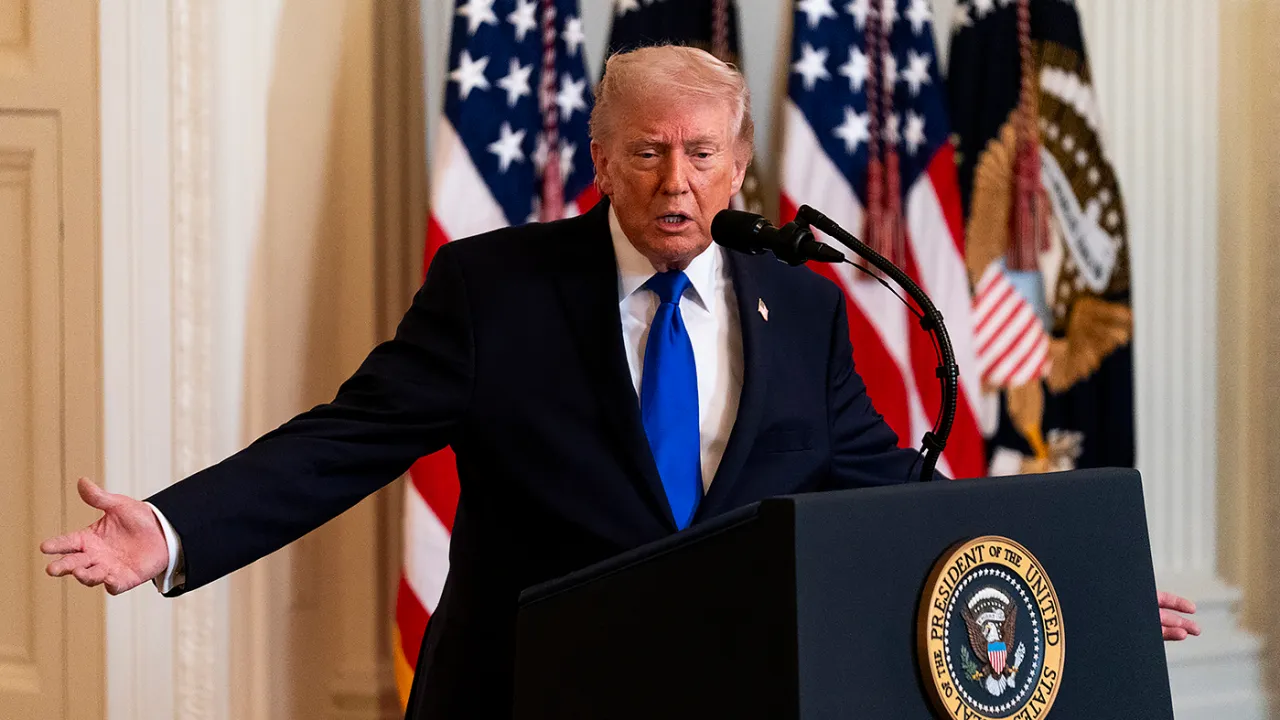
President Donald Trump on Monday forcefully denied media reports that his top military adviser warned him about the dangers of a possible U.S. strike on Iran, rejecting portrayals of internal debate as inaccurate.
Trump took to social media to dismiss the reporting as “100 percent incorrect,” stressing that General Dan Caine, chairman of the Joint Chiefs of Staff, supports decisive action should Washington choose to press military options.
According to Daljoog News analysis, the sharp rebuttal signals tension between public messaging and ongoing internal assessments about how to balance military preparedness with diplomatic efforts over Iran’s nuclear program.
The comments come amid broader regional unease, with the U.S. State Department announcing precautionary evacuations of non-emergency personnel and families from its embassy in Beirut, Lebanon, as tensions rise across the Middle East.
What Happened?
Reports from several major news outlets said that in internal discussions, Caine and other Pentagon officials cautioned against launching a large-scale military strike on Iran, emphasizing risks like potential entanglement in a long conflict and threats to U.S. troops, partly due to strained munitions stockpiles and limited allied support.
These accounts, based on multiple sources, described Caine as offering a cautious assessment to senior leaders in meetings at the Pentagon and the White House.
But Trump pushed back on those characterizations in a message on his Truth Social platform, accusing the media of misrepresenting discussions and branding the reports as “Fake News Media” narratives.
Trump wrote that Caine, like others, does not desire war but would execute any military orders effectively. He said the general views success in such an operation as “easily won” if the president decides on it.
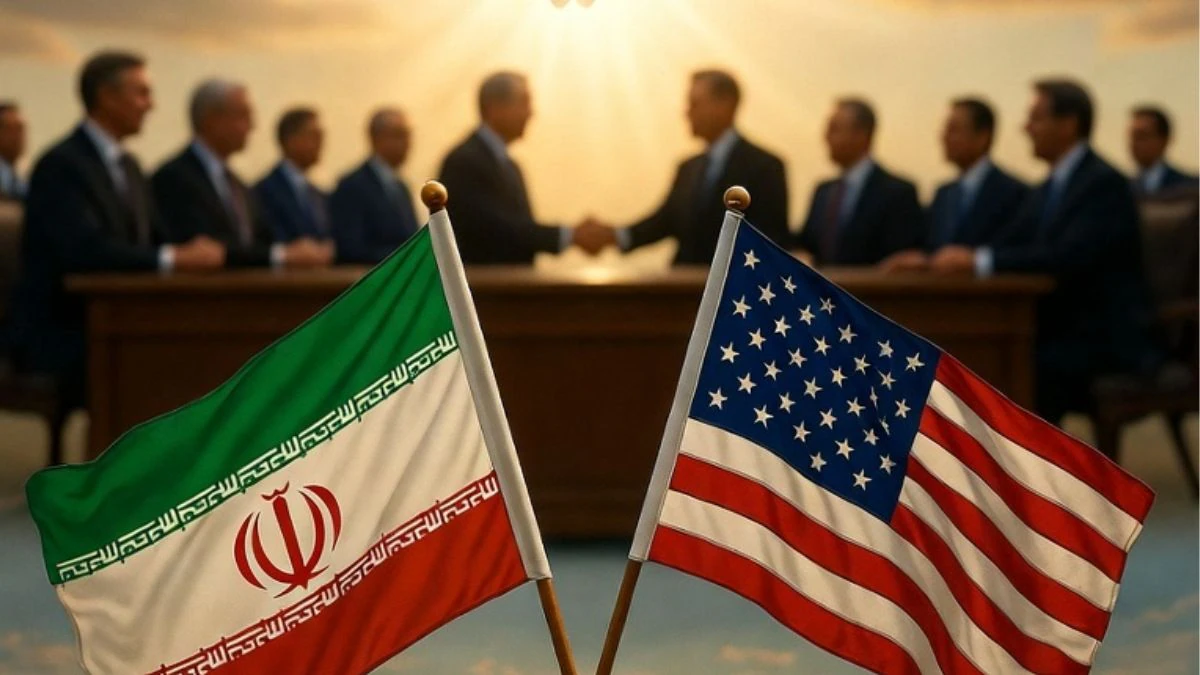
The president reiterated his preference for a negotiated deal with Tehran while warning of “very bad” consequences if diplomacy fails.
Why This Matters
Iran remains at the center of one of Washington’s most consequential foreign policy debates.
Tensions have been elevated by ongoing talks aimed at limiting Tehran’s nuclear program alongside a significant buildup of U.S. military assets in the wider region.
A public dispute over what senior military leaders have advised — and how that advice is portrayed — touches on both strategic decision-making and public confidence in U.S. policy.
Military caution about pitfalls of striking Iran reflects concerns long raised by analysts: engaging Tehran could trigger broader regional conflict, draw in proxy groups like Hezbollah, and expose U.S. forces to retaliatory attacks.
At the same time, the U.S. is still pursuing diplomacy while positioning forces and advisors to maintain leverage.
That dynamic creates a delicate balance between deterrence, negotiation, and the risk of military escalation.
What Officials Are Saying
Trump’s rebuttal framed the reports as inaccurate and emphasized his authority over military decisions.
He praised Caine’s leadership and effectiveness, asserting confidence in the general’s ability to carry out any orders.
Senior national security sources cited in reporting painted a more nuanced picture, suggesting that Caine has urged caution, especially given logistical challenges such as lower munitions stockpiles and limited allied bases to support a broad campaign.
A Pentagon spokesman clarified that Caine’s role is to present a range of options and associated risks to civilian leadership, not to advocate for specific policy outcomes.
Meanwhile, the State Department’s decision to evacuate non-essential staff from Beirut underscores how regional tensions are influencing diplomatic, military, and security calculus.
Daljoog News Analysis
The public clash over military advice highlights a strategic divide that often exists behind closed doors in national security decision-making.
Leaders like Caine are expected to assess and communicate risk — including potential costs in lives and materiel — as part of their advisory role. That does not necessarily mean opposing action outright, but rather ensuring political leaders are fully informed before making consequential choices.
Trump’s sharp repudiation of the reporting appears aimed at maintaining a unified public message of strength, especially as diplomatic negotiations continue.
Yet the underlying assessments reported by multiple outlets point to genuine complexities: striking Iran’s nuclear infrastructure or engaging in a broad conflict could strain U.S. capabilities and provoke unpredictable reactions.
This tension between public unity and private debate is not unusual, but it becomes especially sensitive when the nation faces the possibility of conflict.
How leaders frame advisers’ views can influence public expectations and geopolitical signaling — factors as consequential as the strategy itself.
What Happens Next
Diplomatic efforts with Tehran continue, with another round of talks expected as Washington presses for limits on Iran’s nuclear program alongside sanctions and pressure.
The administration’s stance — combining robust military presence with a stated preference for negotiation — suggests that war is not imminent, but neither is it completely off the table.
On the ground, continued evacuations and heightened advisories in parts of the Middle East reflect cautious preparations for possible escalation.
If diplomacy falters and military planners advocate options, pressure on decision-makers will intensify.
For now, both sides of the internal debate — caution and resolve — will likely play out in public and private forums as Washington weighs its next steps.
Daljoog News will continue tracking developments and reporting on how the evolving U.S.–Iran dynamics shape regional security and global policy.