
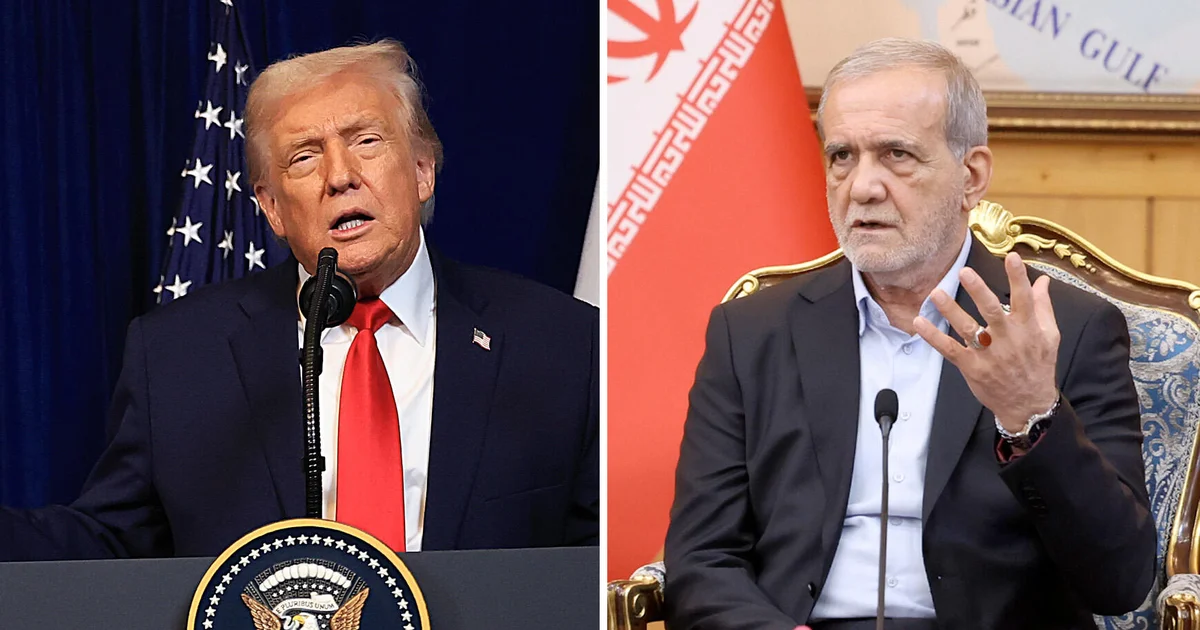
US President Donald Trump has firmly rejected any path toward negotiation or compromise with Iran. Speaking to reporters aboard Air Force One on Saturday, he signaled that ending the conflict is not a priority, and instead emphasized a hardline approach to continue military operations.
According to Daljoog News analysis, Trump’s stance marks a significant escalation in US policy toward Iran, with implications for both regional stability and international diplomacy. By prioritizing regime change over dialogue, the White House is signaling a protracted confrontation in the Middle East.
The announcement comes amid rising tensions, as Iran’s Islamic Revolutionary Guard Corps (IRGC) pledges to sustain the current conflict for at least six more months. Analysts warn that the combination of US intransigence and Iran’s military resolve could prolong the crisis and exacerbate economic, humanitarian, and geopolitical risks.
What Happened?
In a Saturday briefing with journalists aboard Air Force One, President Trump declared that his administration’s goal is the complete removal of Iran’s current leadership. He referenced previous Iranian attacks on schools and infrastructure, stating that the US will ensure no future leaders remain who could guide Tehran’s military or ideological agenda.
Trump described this approach as a long-term strategy to prevent Iran from regaining influence or operational capacity, framing the conflict in existential terms for the Iranian regime. He also expressed satisfaction over previous military actions, indicating pride in the US ability to disrupt Tehran’s objectives.
In parallel, the IRGC has publicly announced its commitment to continue hostilities against the United States and Israel, stating it is prepared to sustain operations for at least six additional months. This pledge signals Iran’s determination to resist external pressure despite mounting military and economic challenges.
Why This Matters
Trump’s refusal to engage in diplomacy escalates the risk of prolonged conflict in the Middle East. With both sides committed to sustained military action, the region faces ongoing threats to civilian infrastructure, energy supply routes, and international commerce.
The hardline US stance also complicates efforts by other nations to mediate a resolution. China, for instance, has labeled the conflict “unnecessary” and urged all parties to immediately return to negotiation tables. Beijing’s call, issued by Foreign Minister Wang Yi during a press conference, highlights international concern over escalating hostilities.
What Analysts or Officials Are Saying
Security analysts note that Trump’s approach prioritizes maximum pressure over conflict de-escalation, potentially increasing the duration and severity of the confrontation. Military observers warn that prolonged engagement could destabilize neighboring countries, disrupt energy markets, and heighten global security risks.
Observers also highlight the IRGC’s announcement as a clear signal that Iran is prepared for a sustained campaign, indicating that both sides may be locked in a long-term cycle of retaliation and counter-retaliation.
Experts caution that absent new diplomatic interventions, the conflict could expand beyond traditional battle zones, affecting Gulf states, Israel, and international shipping lanes.
Daljoog News Analysis
Trump’s rhetoric underscores a strategic calculation: by rejecting negotiations, the US seeks to maximize pressure on Iran’s leadership. While this demonstrates resolve to domestic audiences and allies, it also raises the stakes for unintended escalation and collateral damage.
The IRGC’s willingness to maintain six months of active operations reflects Iran’s determination to resist US and Israeli pressures. Combined with Trump’s hardline position, the scenario sets the stage for a protracted conflict with high humanitarian and economic costs.
Analysts suggest that international actors, including China and European powers, may need to increase diplomatic efforts to prevent further escalation and safeguard global energy and transport networks.
What Happens Next
With both sides signaling readiness for extended confrontation, the coming months are likely to see continued military operations across multiple fronts. Trump’s administration may maintain pressure through airstrikes, sanctions, and targeted operations, while Iran could escalate missile and drone attacks in response.
Regional and global observers will monitor for any attempts at negotiation or indirect diplomacy, though current signals suggest both Washington and Tehran are prepared for sustained conflict.