
U.S. President Donald Trump has delivered a series of conflicting messages regarding the Iran conflict, alternating between signaling potential negotiations and warning of military action. These statements come amid escalating tensions across the Middle East.
According to Daljoog News analysis, Trump’s latest remarks highlight both a strategic balancing act and domestic pressures. The mixed signals illustrate the complexity of U.S.-Iran relations, where public diplomacy and covert communications often diverge.
The situation is unfolding at a critical juncture, with energy prices, regional security, and global perception all influencing decision-making. Analysts say how Washington and Tehran manage this phase could define the conflict’s trajectory.
What Happened?
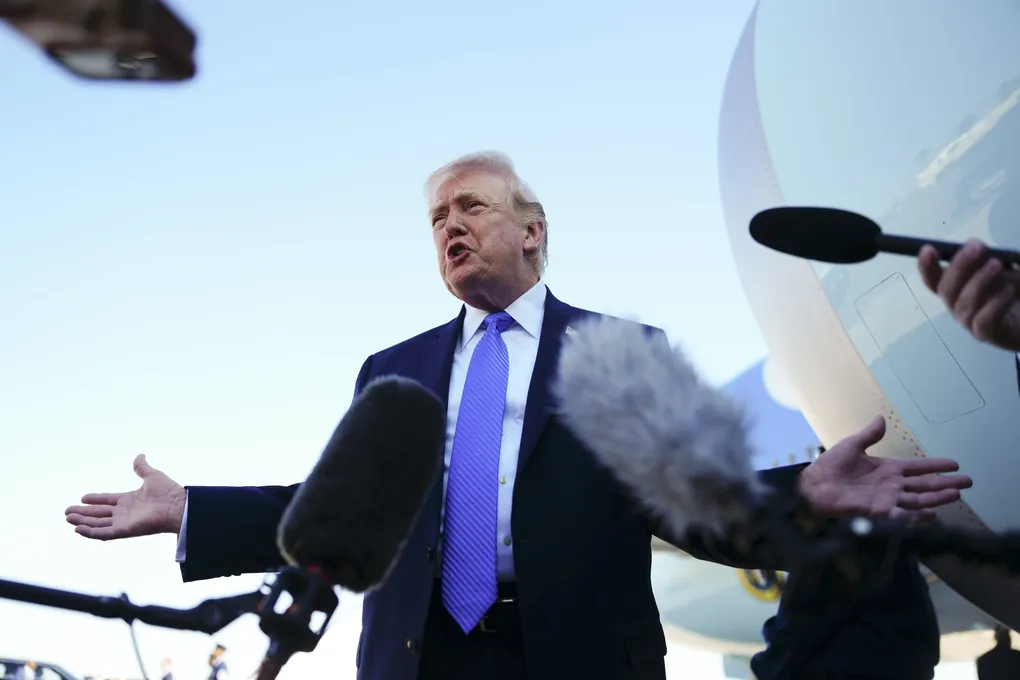
On February 23, Trump claimed that U.S. officials had engaged in discussions with senior Iranian leaders. He suggested that initial contact for talks had come from Tehran and described progress toward agreements on key issues. He also indicated that top U.S. envoys, including Middle East envoy Stephen Wittkoff and Jared Kushner, were involved in these negotiations, though he did not specify which Iranian representatives were part of the dialogue.
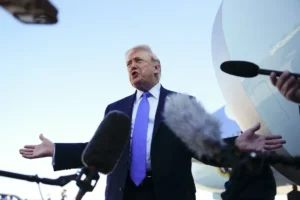
Trump simultaneously warned that failure to reach a deal could result in continued military action, including potential bombings within Iran. His statements were made during a press briefing at a Florida airport, attracting global attention for their mix of negotiation rhetoric and military threat.
However, Iranian officials immediately rejected the claims. Parliamentary Speaker Mohammad Bagher Ghalibaf confirmed that no formal discussions had taken place, labeling the U.S. claims as false. Iranian Foreign Ministry spokesperson Esmail Baghaei also denied any negotiations, emphasizing that Tehran’s stance on the Strait of Hormuz and conditions for a ceasefire remained unchanged.
In response to the U.S. statements, Israeli Prime Minister Benjamin Netanyahu convened an urgent meeting with coalition partners on March 23 to discuss the implications of potential U.S.-Iran communications. Details of the discussions were not publicly disclosed.
Why This Matters
The conflicting messages reflect multiple pressures facing the Trump administration. Analysts note that rising energy costs in the United States, fueled in part by Middle Eastern instability, have intensified domestic scrutiny. Gasoline prices have surged from $2.93 per gallon to $3.94 in one month, contributing to public dissatisfaction and political vulnerability.
According to Daljoog News analysis, the economic strain is likely a key factor driving Trump’s simultaneous pursuit of diplomatic overtures and military threats. The administration appears to be exploring a way out of the stalemate while maintaining leverage over Tehran.
These developments also have regional security implications. Any shift toward negotiations or escalation will affect U.S. allies in the Middle East, particularly Israel, and could influence global energy markets and shipping lanes, including the strategic Strait of Hormuz.
What Analysts or Officials Are Saying
Strategic experts observe that Trump’s mixed messaging is characteristic of high-pressure negotiation tactics, combining threat signaling with diplomatic engagement. Some analysts suggest the president is attempting to demonstrate U.S. resolve to both domestic and international audiences while keeping open channels for conflict de-escalation.
Economic commentators have highlighted the link between rising fuel prices and political maneuvering. As energy costs directly affect U.S. households, the administration faces pressure to find solutions that ease economic burdens without compromising security objectives.
Regional observers also note that Tehran’s denials are consistent with its broader messaging strategy, aimed at projecting resilience and discouraging U.S. unilateral action.
Daljoog News Analysis
The current U.S.-Iran dynamic underscores the interplay between domestic political pressures and international strategic calculations. Trump’s approach appears reactive, balancing the need to project strength with the practical need to manage economic and political fallout at home.
Daljoog News analysis suggests that these mixed messages could be an intentional tactic to test Iranian responses, gauge regional sentiment, and signal willingness for negotiation without immediate concessions. At the same time, the rhetoric increases the risk of miscalculation, as Tehran and U.S. allies interpret statements through differing lenses.
What Happens Next
Observers anticipate continued uncertainty in the coming weeks. U.S. officials may continue to explore indirect communications through allied nations, while Iran maintains a firm public stance rejecting negotiations.
Energy markets and military readiness in the region will remain sensitive to any shifts in rhetoric or action. Analysts recommend monitoring both diplomatic channels and economic indicators, as each could provide clues to the direction of U.S.-Iran relations.
The outcome of this phase could set a precedent for future engagements, balancing the prospects for negotiation against the risk of escalation in one of the world’s most volatile regions.