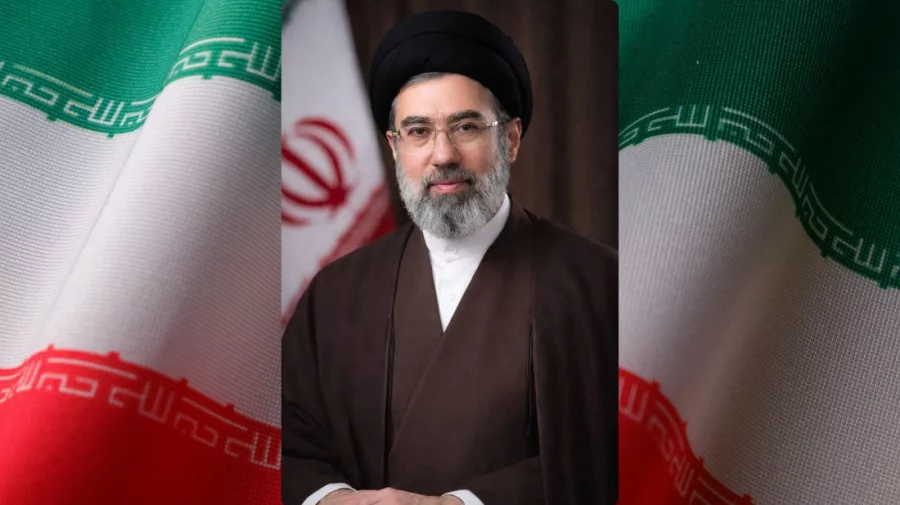
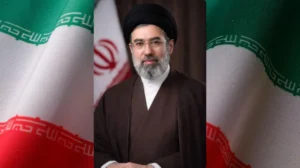

Escalating military strikes and political warnings have deepened tensions around Iran after the country selected a new supreme leader following the death of Ayatollah Ali Khamenei. Israeli forces continued attacks on Iranian targets while U.S. President Donald Trump warned that the newly appointed leader may struggle to remain in power.
According to Daljoog News analysis, the statement signals how the conflict surrounding Iran has expanded beyond battlefield operations into political pressure over the country’s leadership and future direction.
The developments come during one of the most volatile periods in the region in years, with missile strikes, drone interceptions, and cross-border attacks reported across the Middle East.
What Happened?
Israeli forces launched a large-scale attack Sunday targeting the headquarters of the Islamic Revolutionary Guard Corps Air Force in Tehran. The Israeli military said roughly 140 targets were struck across Iran in a single day.
Explosions were reported not only in Tehran but also in several major cities including Qom and Isfahan. Iranian authorities have yet to release a full damage assessment, but reports suggest the attacks hit military infrastructure and logistical facilities.
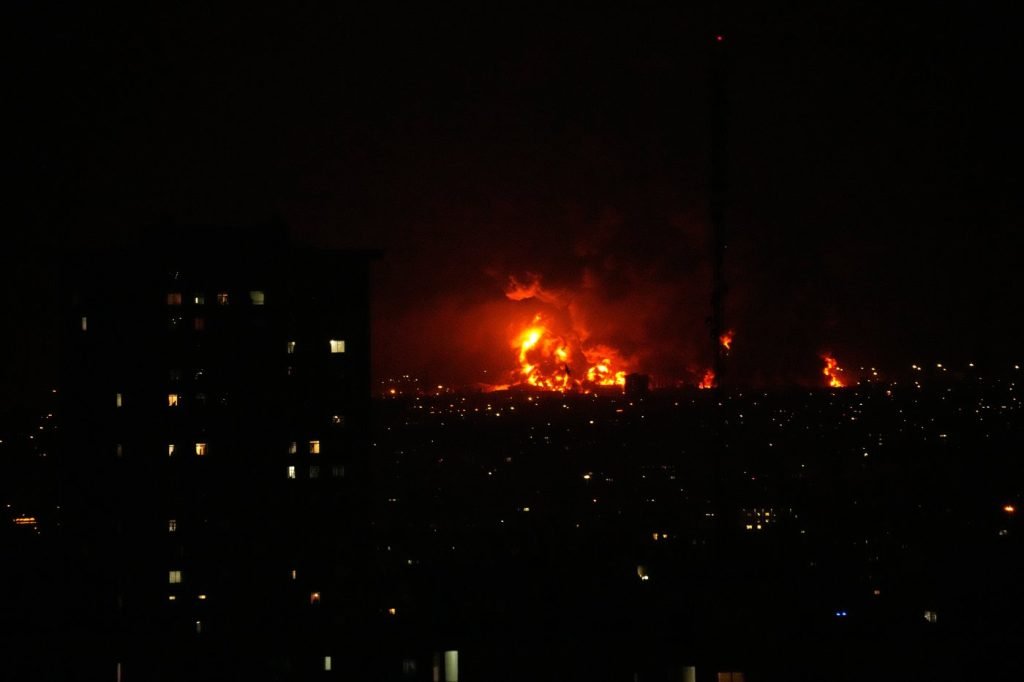
Earlier strikes targeted fuel depots around the Iranian capital. Fires burned for hours after the explosions, sending thick smoke across the city. Residents reported heavy pollution and breathing difficulties as dark smoke spread through the air.
Some observers said the pollution was so severe that unusual dark rainfall was reported dozens of miles from the capital. Emergency teams were deployed across several areas as residents sought medical treatment for respiratory problems.
Iranian President Masoud Pezeshkian visited hospitals where victims of the attacks were receiving treatment. The government has condemned the strikes as acts of aggression and vowed to respond if attacks continue.
Meanwhile, the United States said it did not participate in strikes on Iranian energy facilities. The U.S. energy secretary stated Washington had no plans to target Iran’s oil or natural gas sector.
Military activity has also spread beyond Iran. In Lebanon, Israeli missile strikes reportedly killed several individuals including commanders linked to the Revolutionary Guard.
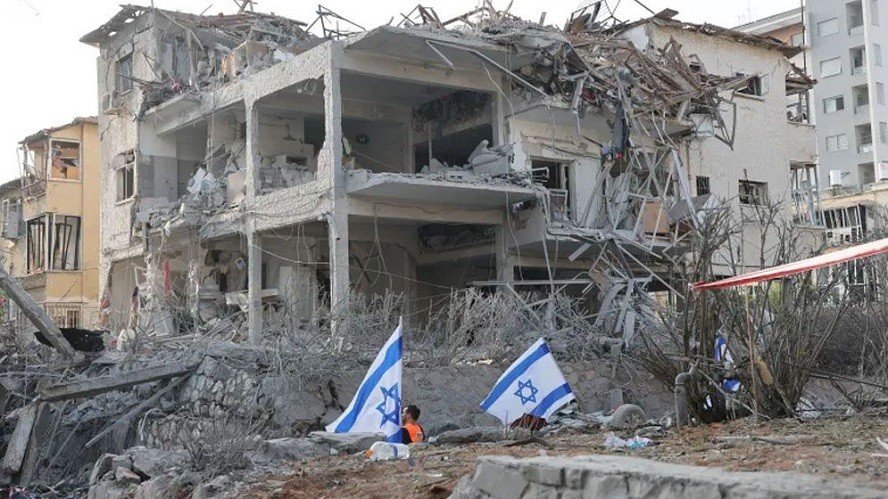
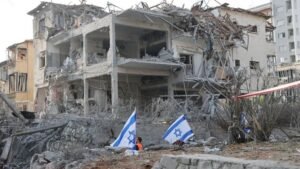
Iran responded with missile attacks toward Israel, causing visible damage in Tel Aviv. Analysts believe some of the missiles may have carried cluster-style warheads, although official confirmation remains unclear.
Across the wider region, tensions continued to rise. Saudi Arabia and the United Arab Emirates reported intercepting Iranian drones, while a powerful explosion was reported near Erbil in northern Iraq.
Iran also reportedly targeted a U.S. military base in Jordan as part of its broader retaliation campaign.
Why This Matters
The simultaneous military escalation and leadership change inside Iran create a volatile political environment that could reshape regional dynamics.
Military strikes on infrastructure and military facilities increase the risk of a broader conflict involving multiple countries. Energy markets, shipping routes, and regional stability could all be affected if the confrontation expands.
The leadership transition also introduces uncertainty inside Iran. A new supreme leader must consolidate authority across the country’s political and military institutions during a time of crisis.
Iran’s armed forces have already declared loyalty to the newly chosen leader, signaling an attempt to project internal unity.
However, external pressure from Israel and political messaging from U.S. figures may complicate that process.
What Analysts or Officials Are Saying
Regional analysts say the scale of Israeli strikes indicates an effort to weaken Iran’s strategic capabilities while its leadership structure adjusts to a new figure at the top.
Observers note that attacks on IRGC facilities, fuel depots, and ammunition sites may aim to disrupt logistical networks tied to Iran’s military planning.
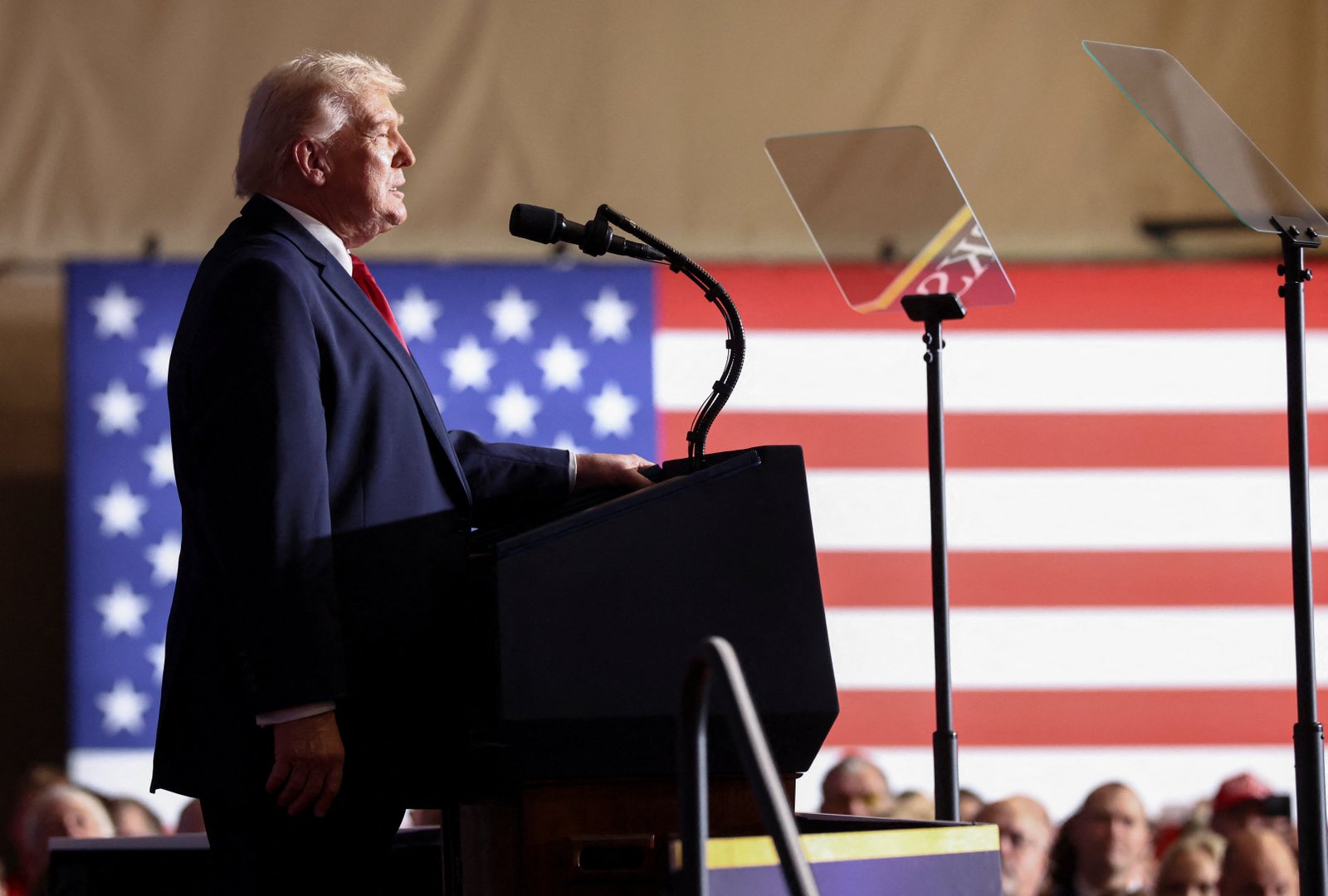
Political reactions have also intensified. Donald Trump warned that Iran’s newly selected supreme leader may not remain in power for long without approval from Washington.
While the statement reflects a highly confrontational stance, analysts say it underscores the political pressure now surrounding Iran’s leadership transition.
Iranian officials, meanwhile, have warned that further attacks on energy infrastructure could trigger retaliation against oil facilities across the region.
Daljoog News Analysis
The convergence of military escalation and leadership change represents a rare and dangerous moment for Iran’s political system.
Leadership transitions in Iran are typically carefully managed to preserve stability within the country’s clerical and military institutions. However, conducting that transition during active military confrontation raises significant risks.
External pressure may also influence internal politics. Statements from foreign leaders questioning the durability of Iran’s leadership could strengthen hardline factions that advocate aggressive responses.
At the same time, Iran must balance retaliation with caution. Expanding attacks on regional energy infrastructure could draw more countries directly into the conflict.
This delicate balance suggests the coming weeks will test the resilience of Iran’s political institutions as much as its military defenses.
What Happens Next
Iran’s immediate priority will likely be stabilizing its leadership transition and demonstrating internal unity.
At the same time, military planners will assess damage from recent strikes and determine whether further retaliation is necessary.
Regional governments are also preparing for potential escalation. Air defenses across the Gulf region remain on alert, while diplomatic channels are working to prevent a broader war.
Energy markets will closely watch whether oil facilities or shipping routes become targets in future attacks.
The stability of Iran’s new leadership, combined with the trajectory of ongoing military operations, will ultimately determine whether the current crisis escalates further or gradually stabilizes.