

The United Arab Emirates faced a large-scale aerial attack on Friday, involving dozens of missiles and drones targeting key locations. Despite advanced air defense systems, debris from intercepted weapons caused injuries on the ground.
According to Daljoog News analysis, this incident underscores the growing vulnerability of Gulf nations to regional conflicts, highlighting both the effectiveness and limitations of modern air defense systems.
The attack adds to a pattern of escalating threats in the Middle East, emphasizing the persistent risk to both civilian populations and foreign workers in the region.
What Happened?
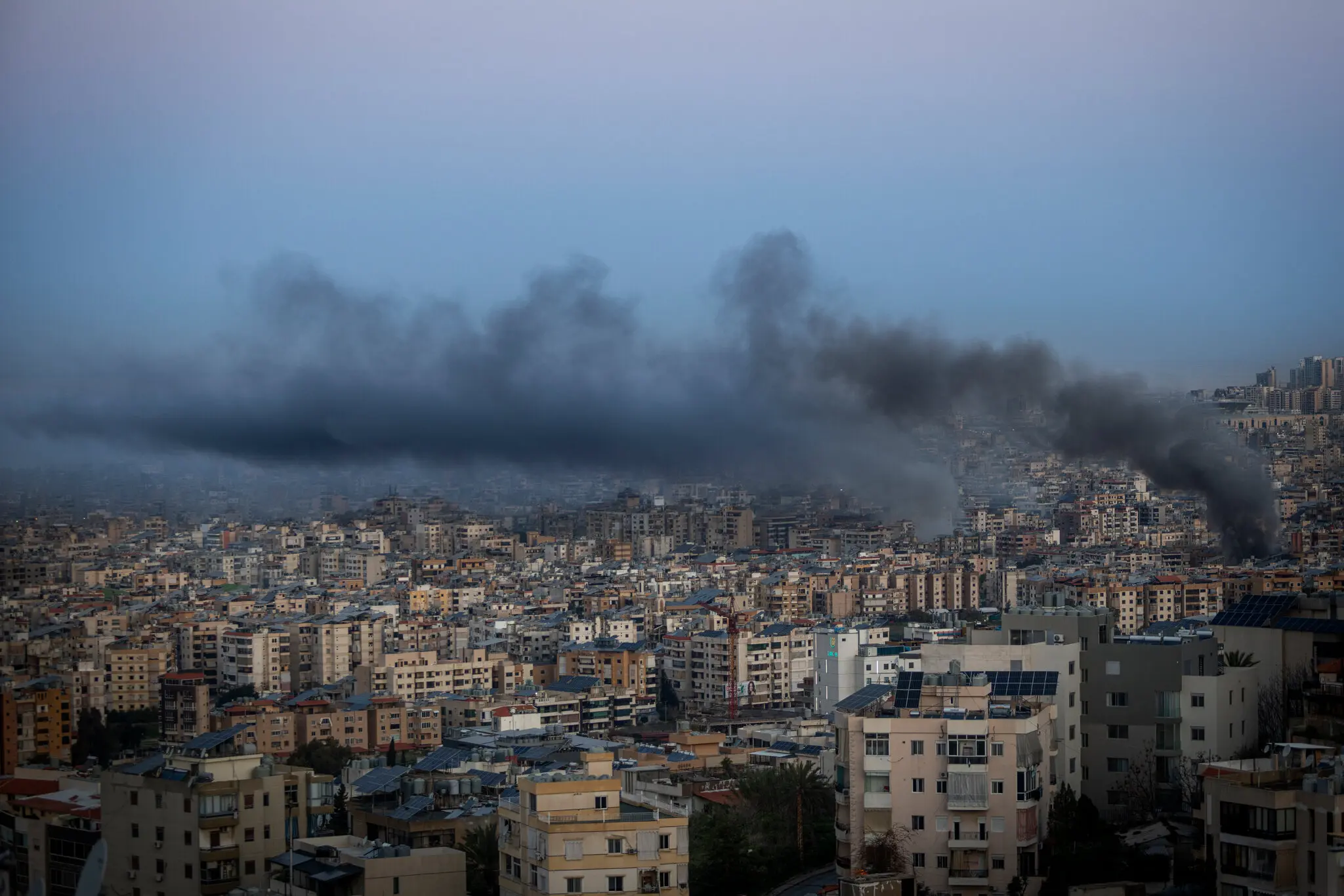
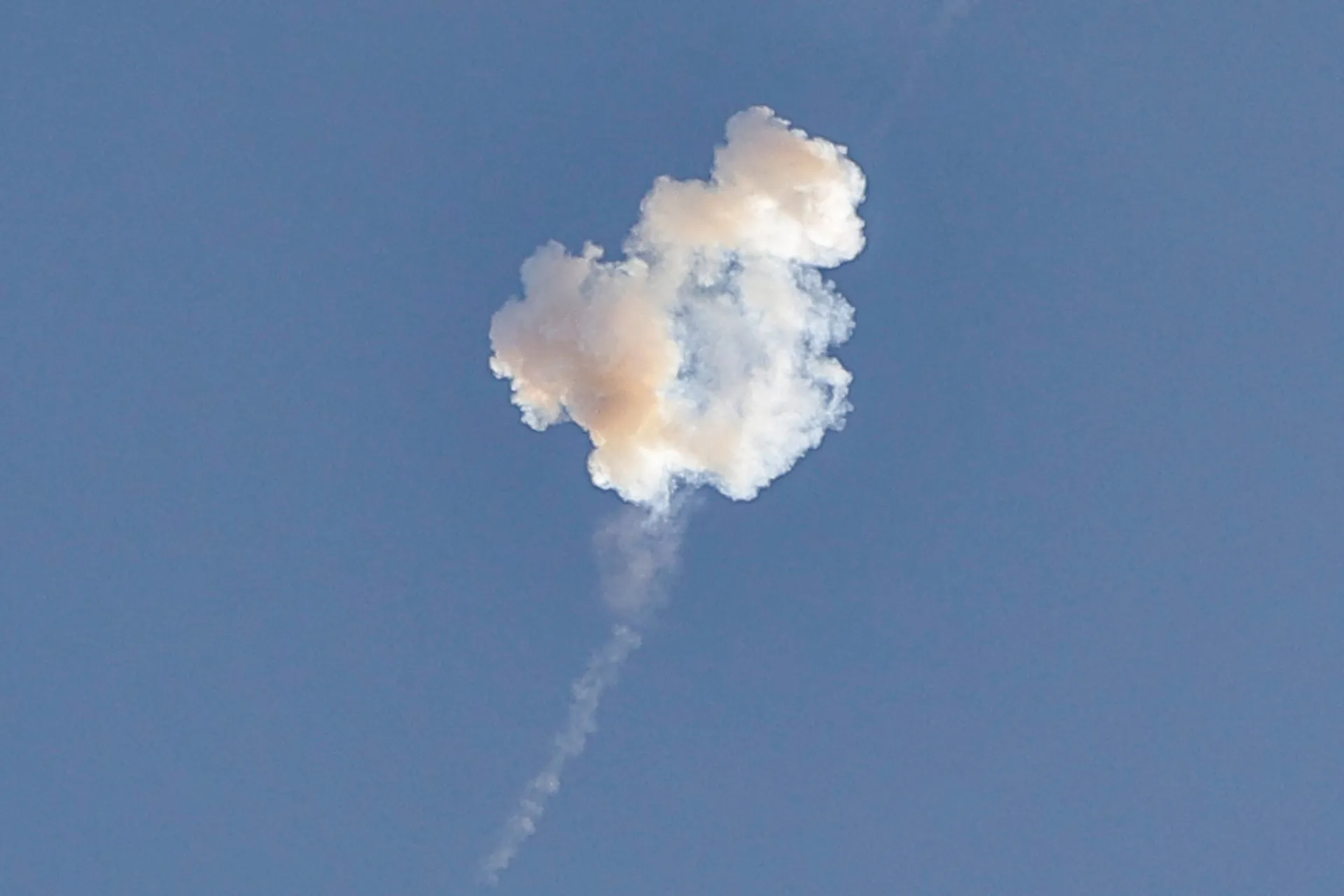
UAE authorities reported that the attack included 22 missiles and 47 drones. Most of the incoming threats were intercepted by the country’s air defense systems. However, debris from the intercepted weapons fell in residential areas, causing injuries to at least 12 people, including foreign workers. One victim remains in serious condition.
According to reports from Daljoog News seven of the injured were Nepali nationals and five were Indian citizens. The debris landed in Abu Dhabi’s Al Azban area, highlighting the risks posed even when defense systems are operational.
The UAE Ministry of Defense confirmed that the attack included 18 ballistic missiles, four cruise missiles, and 47 drones, all fired from Iran toward UAE territory. While the majority were successfully intercepted, the incident caused injuries and property damage on the ground.
Why This Matters
This attack underscores the growing security challenges faced by Gulf countries amid regional tensions. It demonstrates that even advanced air defense systems cannot fully eliminate the risk to populated areas.
The targeting of civilian-populated zones, whether intentional or due to falling debris, raises concerns about the safety of expatriates and the general population. In this instance, the injured included foreign workers from Nepal and India, reflecting the broader human cost of regional conflicts.
Beyond immediate safety concerns, the incident has wider strategic implications. Frequent attacks could force the UAE to further invest in missile defense systems, while also influencing regional military alliances and deterrence strategies.
What Analysts or Officials Are Saying
Security experts note that the UAE’s air defense capabilities remain among the most advanced in the region, with hundreds of ballistic missiles and thousands of drones successfully intercepted in recent years. The Ministry of Defense reported that since the start of regional hostilities, the UAE has countered 475 ballistic missiles, 23 cruise missiles, and 2,085 drones.
Analysts caution, however, that the growing scale and sophistication of drone and missile attacks make total protection difficult. Even when interception is effective, falling debris poses a persistent risk to civilians and infrastructure.
Officials have highlighted that the UAE continues to monitor regional threats closely and coordinate with international partners to strengthen security and deterrence measures.
Daljoog News Analysis
The Friday attack demonstrates the dual challenge of modern air defense: intercepting threats while managing the consequences of the intercept itself. Advanced systems can neutralize incoming missiles and drones, but debris management remains a serious safety concern.
This event also underscores the strategic stakes in the Gulf region. The UAE’s position as a regional hub and its geopolitical alignment make it a frequent target in proxy conflicts. The presence of large expatriate communities adds a humanitarian dimension to every attack.
Daljoog News analysis suggests that these incidents will likely push Gulf nations to invest not only in interception technology but also in urban resilience and emergency preparedness. Ensuring civilian safety in densely populated areas will become increasingly important as regional tensions persist.
What Happens Next
Authorities are expected to investigate the attack thoroughly and assess the effectiveness of defense protocols. Safety measures may be enhanced in residential areas prone to falling debris from intercepted weapons.
Regional analysts anticipate continued monitoring and potential escalation, with future attacks possibly targeting critical infrastructure or strategic military sites. The UAE may also seek greater international support to deter such attacks and bolster air defense capabilities.
Public advisories and emergency preparedness campaigns are likely to be intensified, particularly for areas with high concentrations of foreign workers. The situation remains fluid, and vigilance will be key in mitigating future risks.