

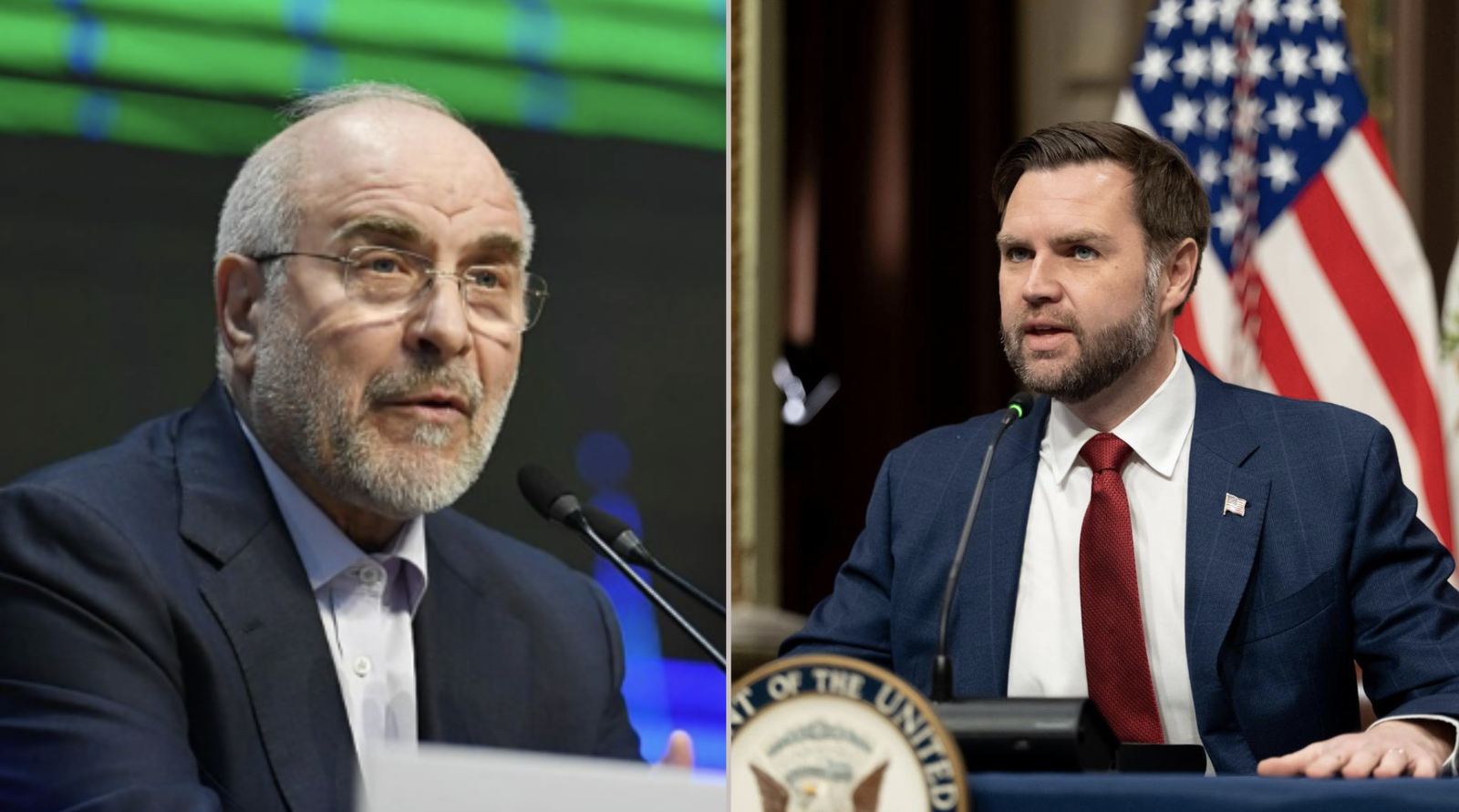
US Iran Islamabad peace talks collapsed after 21 hours of negotiations in Pakistan’s capital, ending without any agreement between the two sides. The talks followed weeks of escalating regional conflict and growing international pressure for a ceasefire.
According to Daljoog News analysis, the failure of the US Iran Islamabad peace talks reflects deep mistrust between Washington and Tehran, despite early signals of cautious optimism during the negotiations.
The breakdown comes at a critical moment when multiple global powers are attempting to manage rising tensions in the region through separate diplomatic channels.
What Happened?
The US Iran Islamabad peace talks began in Islamabad on Saturday and initially showed signs of progress, with both delegations engaging in extended discussions aimed at reducing regional tensions.
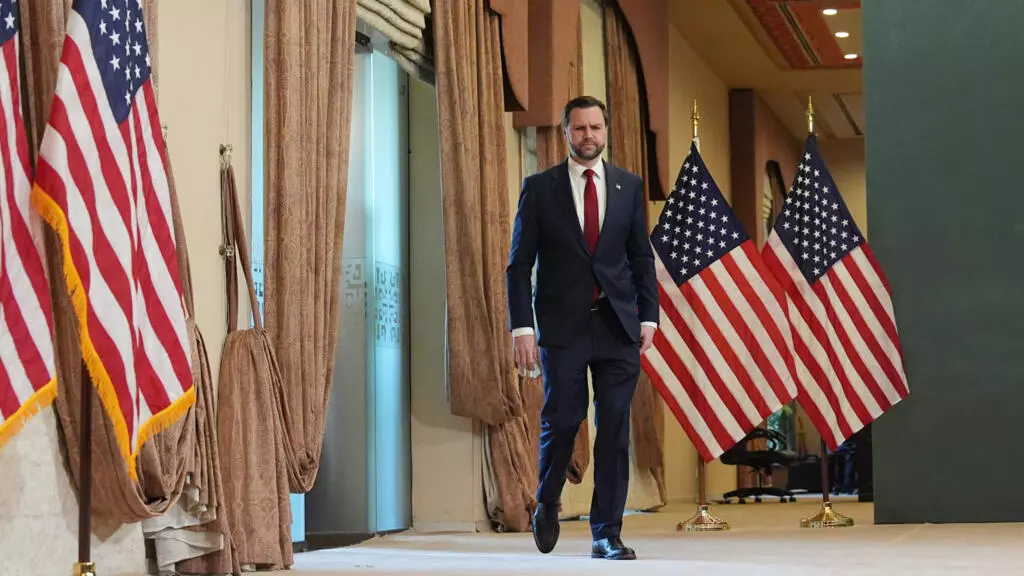
After 21 hours of continuous negotiation, US Vice President J.D. Vance confirmed that the US Iran Islamabad peace talks had ended without any agreement. He announced before departing Pakistan, stating that key differences remained unresolved.
Following the collapse, both US and Iranian delegations left Islamabad separately, marking the official end of the latest diplomatic attempt.
The talks were part of broader efforts to address a conflict that has intensified over the past 40 days, drawing concern from multiple international stakeholders.
Meanwhile, Russian President Vladimir Putin reportedly contacted Iranian President Masoud Pezeshkian, offering to support mediation efforts related to the ongoing crisis.
Why This Matters
The failure of the US Iran Islamabad peace talks highlights the growing difficulty in achieving diplomatic breakthroughs in a highly polarized geopolitical environment.
With no agreement reached, tensions risk continuing without a structured de-escalation framework. This raises concerns about further instability across the region.
The collapse also shows how fragile modern peace negotiations can be, especially when major powers are indirectly involved through competing diplomatic channels.
Russia’s renewed interest in mediation adds another dimension to the crisis, signaling a potential shift in how global actors are positioning themselves around the conflict.
What Analysts or Officials Are Saying
US officials described the US Iran Islamabad peace talks as extensive but ultimately unsuccessful, pointing to unresolved strategic disagreements between the two sides.
Iranian representatives have not issued a detailed breakdown of the talks but indicated dissatisfaction with the outcome through state-linked media reports.
Russian officials have expressed readiness to support mediation, with the Kremlin stating that President Putin favors continued diplomatic efforts aimed at regional stability.
Analysts suggest that multiple overlapping mediation efforts could complicate negotiations further, as competing powers attempt to shape the diplomatic process.
Daljoog News Analysis
The collapse of the US Iran Islamabad peace talks shows that diplomatic engagement alone is not enough when core strategic interests remain incompatible.
While the talks lasted more than 20 hours, the duration did not translate into progress, revealing the depth of disagreement between the parties.
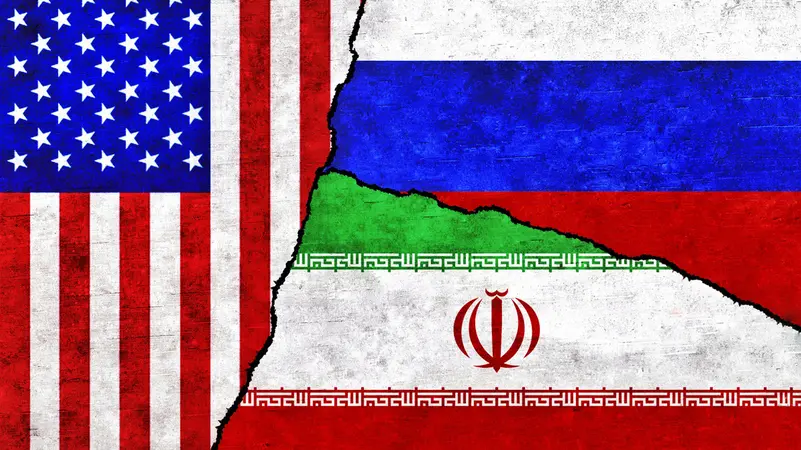
The involvement of external actors such as Russia highlights how the conflict has become part of a broader geopolitical competition. This reduces the chances of a single unified negotiation framework.
At the same time, the repeated failure of structured talks suggests that future diplomacy may shift toward indirect communication and multi-track negotiations rather than direct agreements.
What Happens Next
After the failure of the US Iran Islamabad peace talks, diplomatic efforts are expected to continue through third-party intermediaries and regional partners.
Russia’s potential mediation role could become more significant if both sides agree to re-engage under a new framework.
However, without immediate progress, the risk of prolonged instability remains high, with no clear timeline for renewed direct talks.