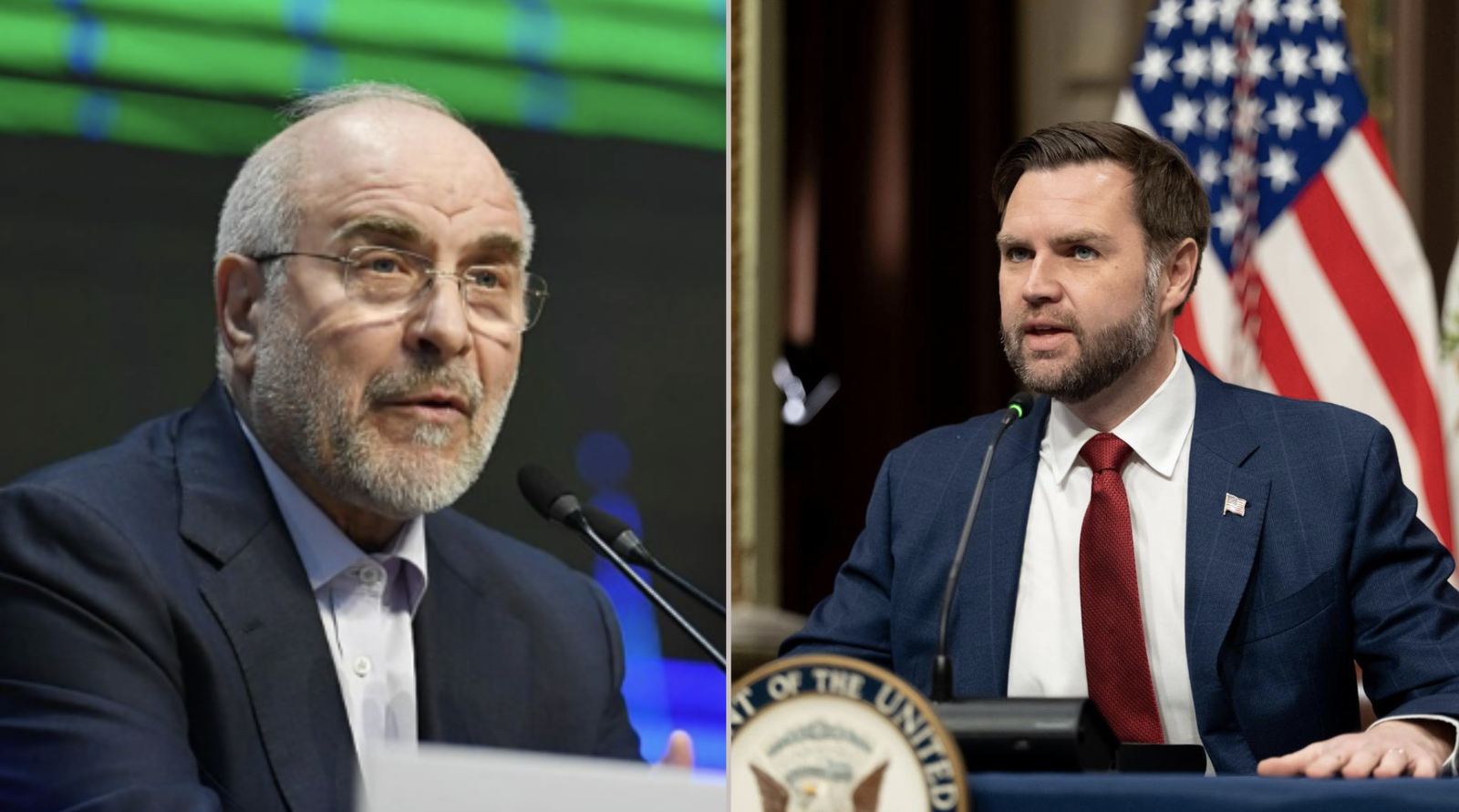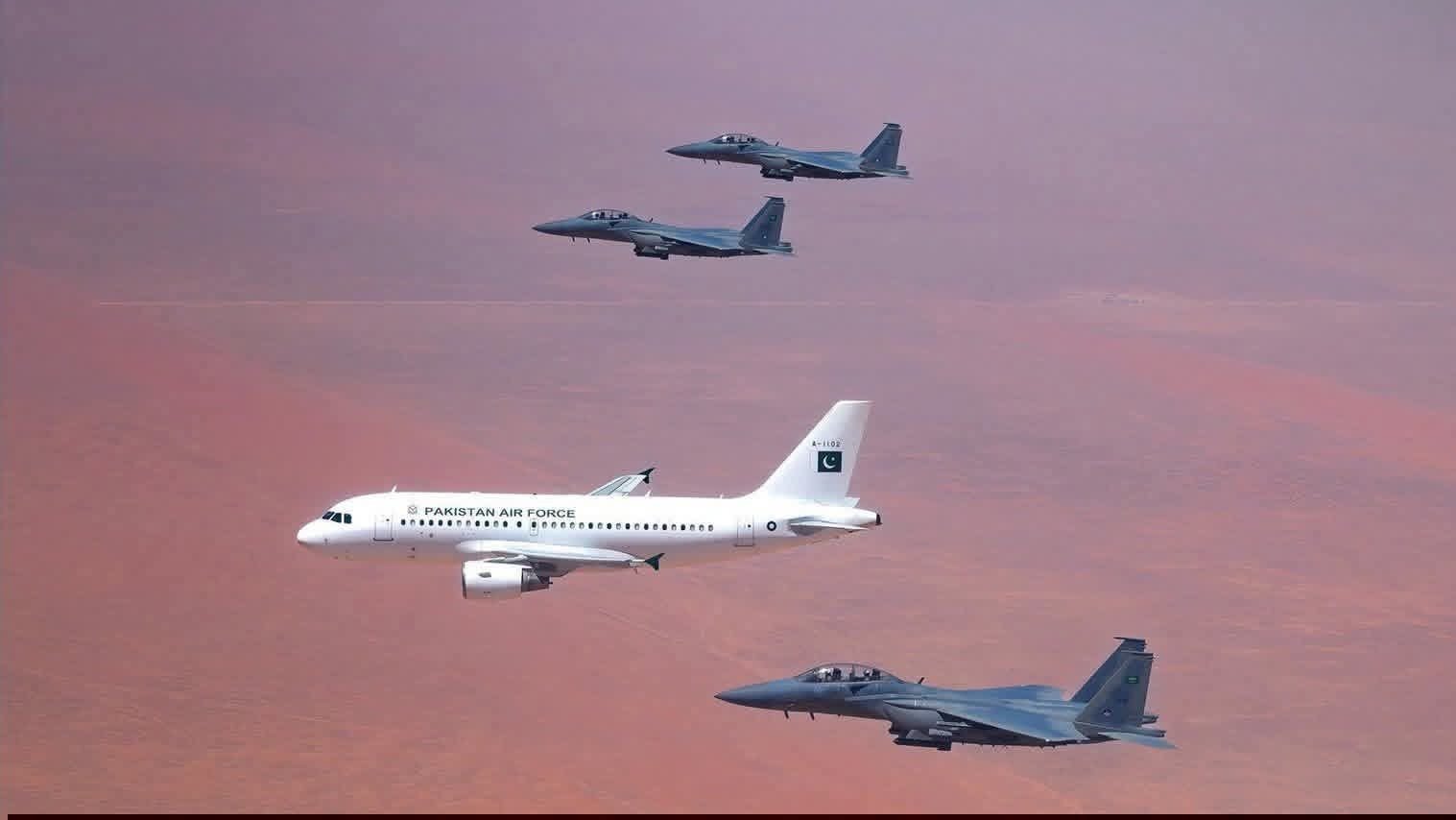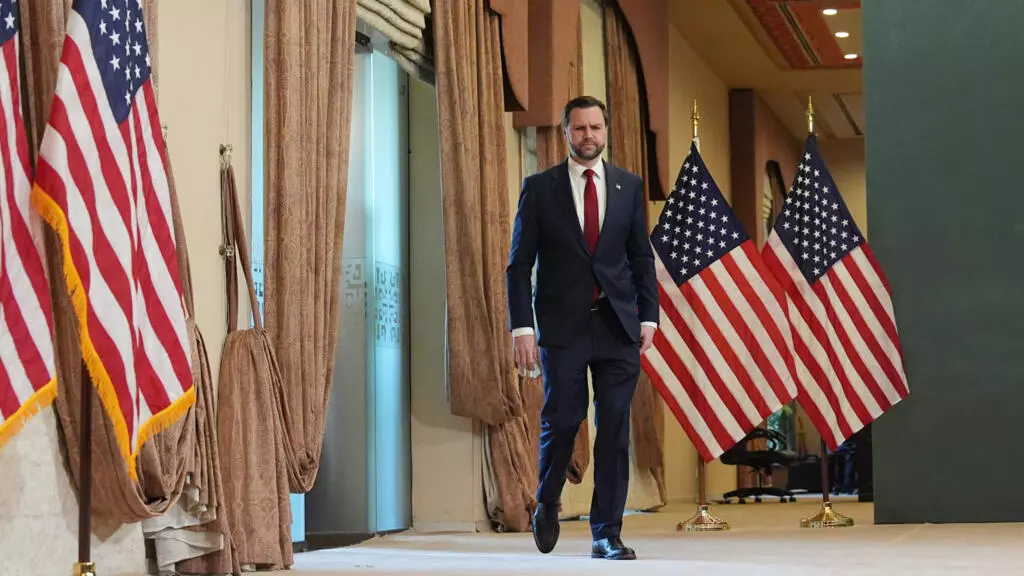

US Iran talks collapse became the defining diplomatic development as US Vice President JD Vance confirmed in Pakistan that negotiations with Tehran failed to produce any agreement. His remarks reflected clear frustration over the breakdown in discussions.
According to Daljoog News analysis, the timing of the diplomatic failure alongside President Donald Trump’s public appearance at a high-profile UFC event underscores a striking contrast in Washington’s foreign policy posture.
The episode has intensified global scrutiny of US strategy, raising questions about coherence between diplomatic efforts and public political messaging.
What Happened?
Vice President JD Vance stated during a visit to Pakistan that no agreement had been reached with Iran. He described the outcome as disappointing, signaling that recent diplomatic efforts had stalled without progress.
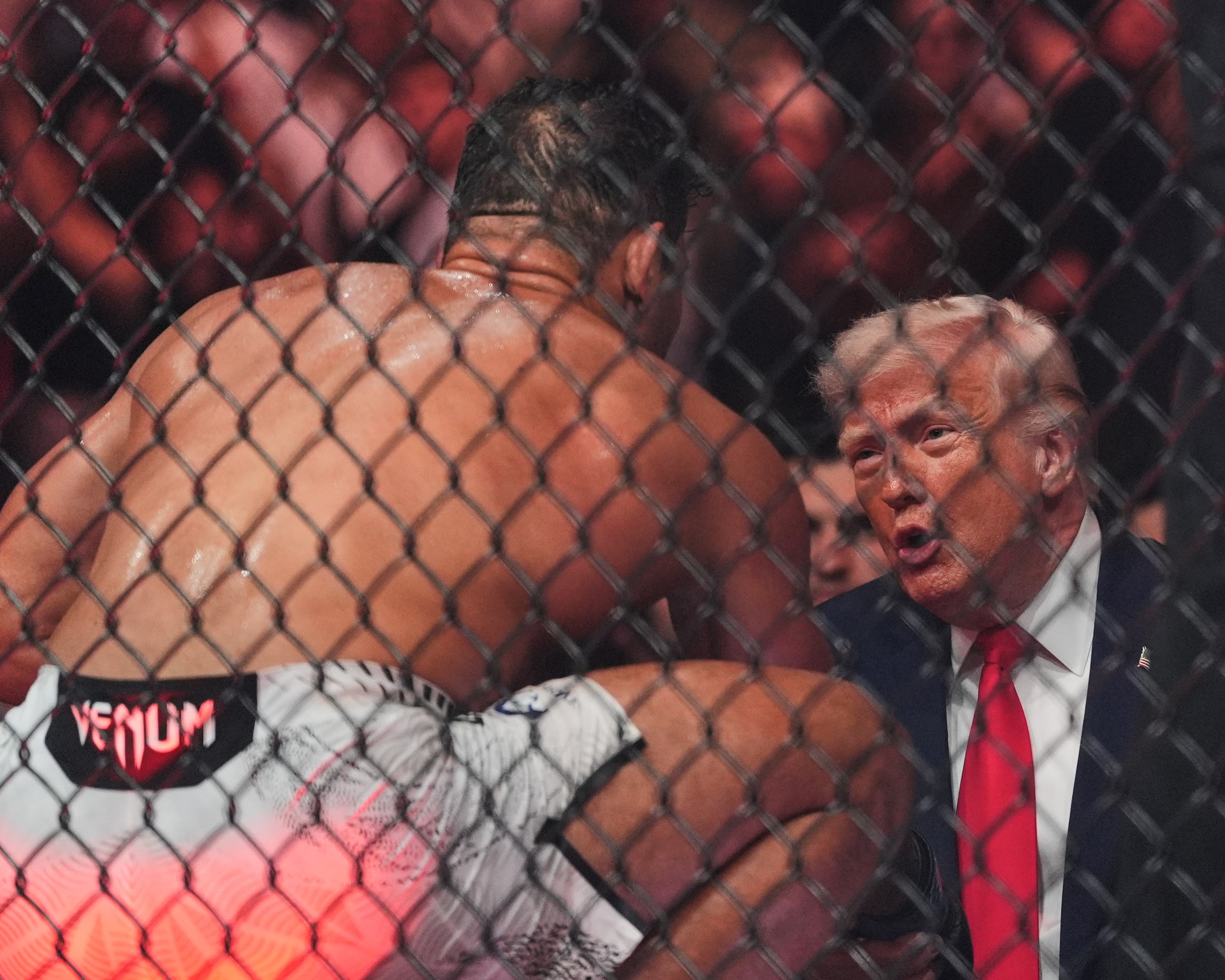
At the same time, President Donald Trump was attending a mixed martial arts event in Miami, where he was seen watching UFC fights alongside senior officials, political allies, family members, and public figures. His presence at the event drew attention as diplomatic tensions unfolded elsewhere.
Trump told reporters en route to Florida that the outcome of negotiations was irrelevant, stating that the United States would prevail regardless of a formal agreement. His comments emphasized a more forceful stance toward Iran, focusing on military strength rather than diplomatic compromise.
The contrast between ongoing negotiations abroad and the president’s public appearance in Miami quickly became a focal point of international discussion.
Why This Matters
The US Iran talks collapse carries significant implications for regional stability and global diplomacy. Iran remains a central issue in US foreign policy, particularly concerning nuclear activity and regional influence.
A breakdown in negotiations increases the likelihood of heightened tensions, reduced diplomatic engagement, and potential escalation in military positioning. Energy markets and global security frameworks are especially sensitive to such developments.
Domestically, the situation adds to political divisions within the United States. Rising inflation and energy prices have already placed pressure on households, and foreign policy decisions are increasingly being tied to economic outcomes.
The visible contrast between diplomatic failure and presidential public engagement has also fueled debate about leadership priorities during critical international moments.
What Analysts or Officials Are Saying
US officials have defended the administration’s approach, arguing that negotiations with Iran remain complex and that diplomatic setbacks are not unusual in high-stakes international talks.
Vice President Vance’s remarks were interpreted as an acknowledgment of the current impasse rather than a permanent breakdown in dialogue. Officials suggest that backchannel communication may continue despite public statements.
Political analysts note that the administration is balancing a dual strategy of diplomatic pressure and military signaling. However, they caution that inconsistent messaging could weaken negotiating leverage.
Opposition voices in Washington have been more critical, with some lawmakers raising concerns over economic conditions and foreign policy direction. These criticisms have intensified calls for closer congressional oversight of executive decisions.
Daljoog News Analysis
The US Iran talks collapse reflects a deeper structural tension in US foreign policy between negotiation and demonstration of strength. Public messaging emphasizing military superiority may resonate domestically, but it risks reducing diplomatic flexibility.
The juxtaposition of high-level diplomatic failure with a presidential entertainment appearance highlights a communication gap that can shape international perception. Allies and rivals alike often interpret such signals as indicators of policy seriousness or instability.
Internally, the administration faces pressure from multiple directions—economic challenges at home and strategic uncertainty abroad. These competing priorities create a complex environment for coherent decision-making.
The broader question is whether the current US strategy is aimed at forcing concessions through pressure or preparing for a prolonged period of confrontation without clear diplomatic resolution.
What Happens Next
In the short term, diplomatic channels between Washington and Tehran are expected to remain open, even if formal negotiations are stalled. Third-party intermediaries may attempt to revive dialogue.
Military and security postures in key regions could remain elevated as both sides reassess their positions. Any further breakdown in communication could increase the risk of regional escalation.
Domestically, political debate in the United States is likely to intensify, particularly if economic pressures continue to rise. Foreign policy decisions will remain closely tied to public sentiment and electoral dynamics.
For now, the US Iran talks collapse marks a critical pause in diplomacy rather than a definitive end, but the path forward remains uncertain and highly sensitive to both political and strategic developments.