

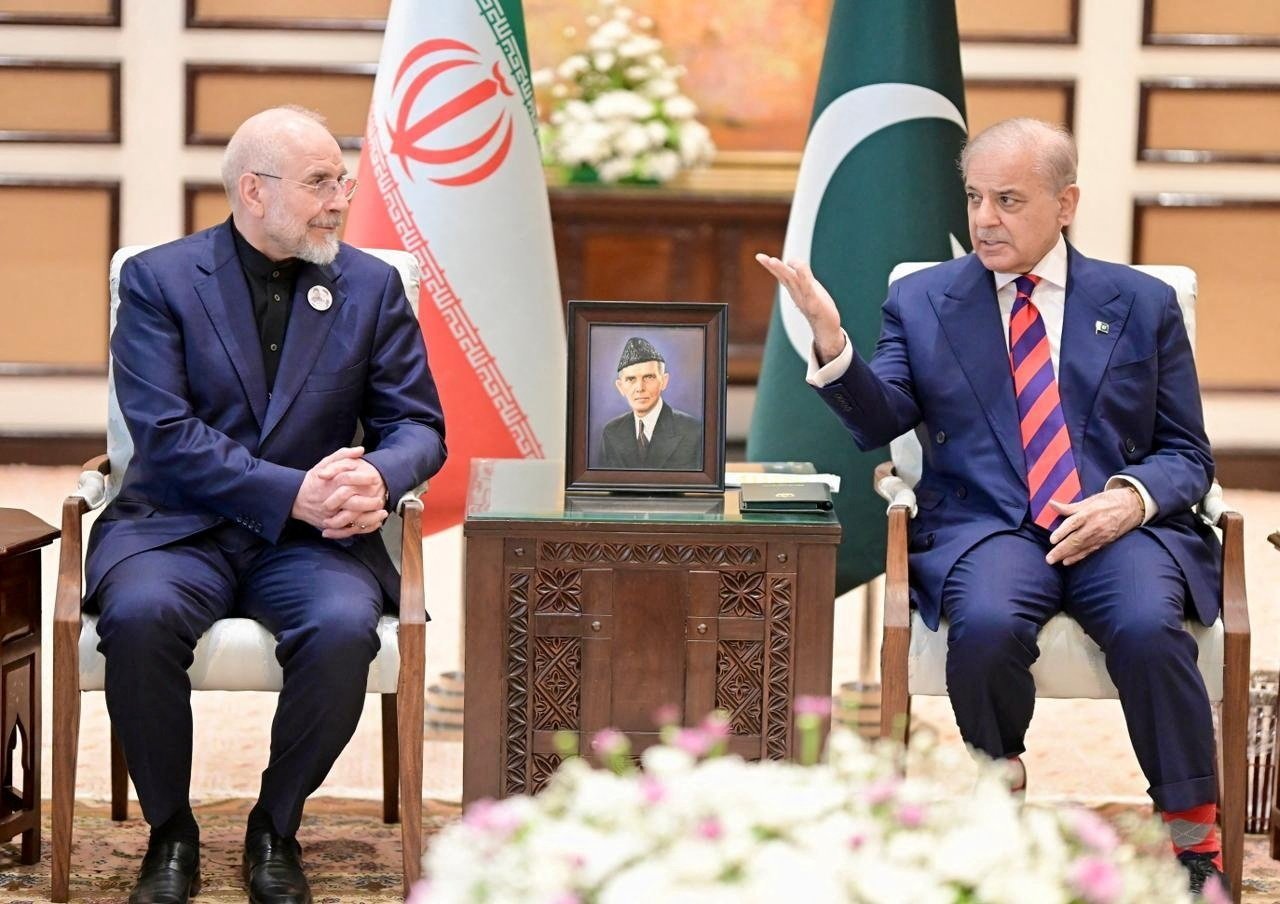
US Iran talks Islamabad: high-level negotiations between the United States and Iran have entered a critical second day in Pakistan’s capital, as both sides struggle to narrow differences over maritime security and regional influence.
According to Daljoog News analyst, the US Iran talks Islamabad highlight how fragile diplomatic openings can be when core strategic disputes—especially over the Strait of Hormuz—remain unresolved, even under active mediation.
The US Iran talks Islamabad are unfolding alongside broader Middle East tensions, where ongoing military actions and competing geopolitical interests continue to shape the negotiation environment.
What Happened?
US Iran talks Islamabad continued in Islamabad under Pakistan’s mediation, with both delegations engaging in extended discussions aimed at reducing tensions and exploring a potential framework for future cooperation.
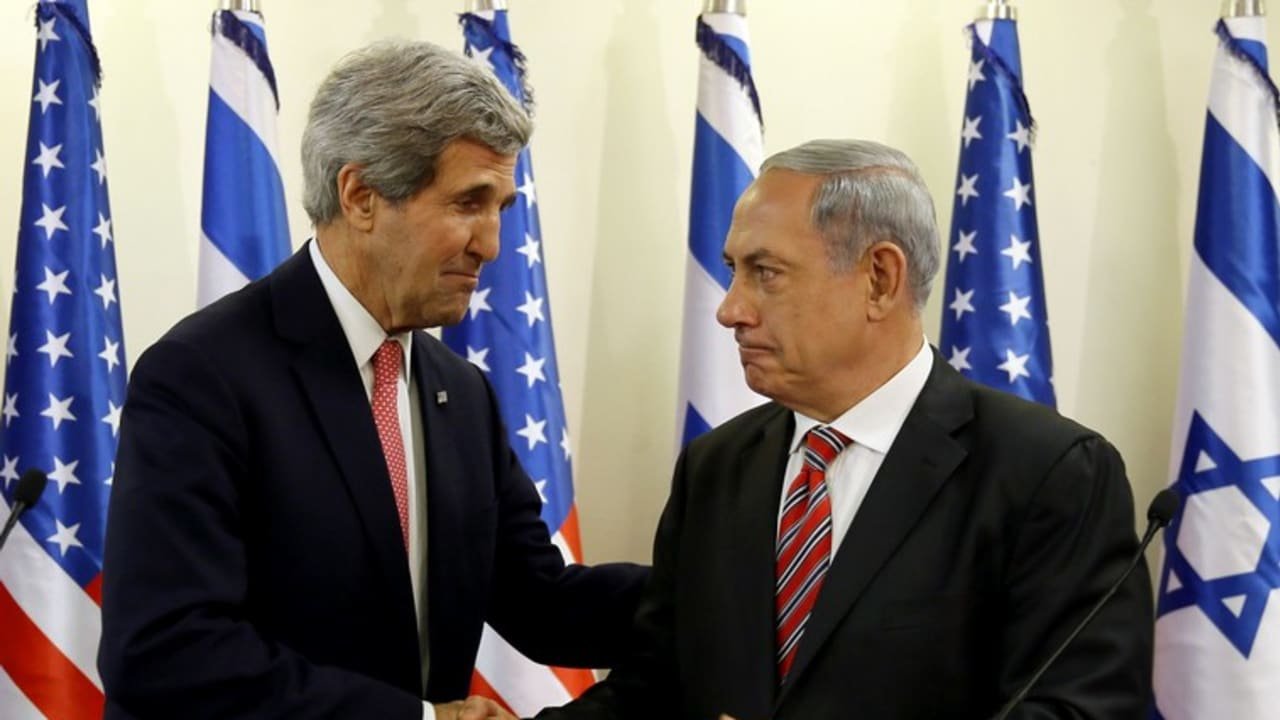
The United States delegation is reportedly led by Vice President JD Vance, while Iran is represented by Mohammad Bagher Ghalibaf, Speaker of the Iranian Parliament. The talks are expected to continue throughout Sunday as both sides attempt to maintain diplomatic momentum.
A central issue in the US Iran talks Islamabad is the Strait of Hormuz, a critical global energy corridor. The United States has proposed joint oversight and enhanced maritime security coordination, but Iran has firmly rejected any shared control mechanism.
Tehran has also opposed US-linked proposals regarding mine-clearing operations in the region, insisting that full authority over the waterway remains a sovereign national matter. This disagreement remains the biggest obstacle in the US Iran talks Islamabad.
At the same time, US President Donald Trump has commented on the talks, stating that the United States remains in a strong position regardless of the outcome. He also issued warnings regarding potential Chinese military support to Iran, further escalating geopolitical tensions around the negotiations.
Why This Matters
The US Iran talks Islamabad are significant because they directly affect global energy security and one of the world’s most strategic maritime chokepoints.
The Strait of Hormuz plays a crucial role in international oil and gas transportation, and any disagreement over its control or security structure could have immediate consequences for global markets.
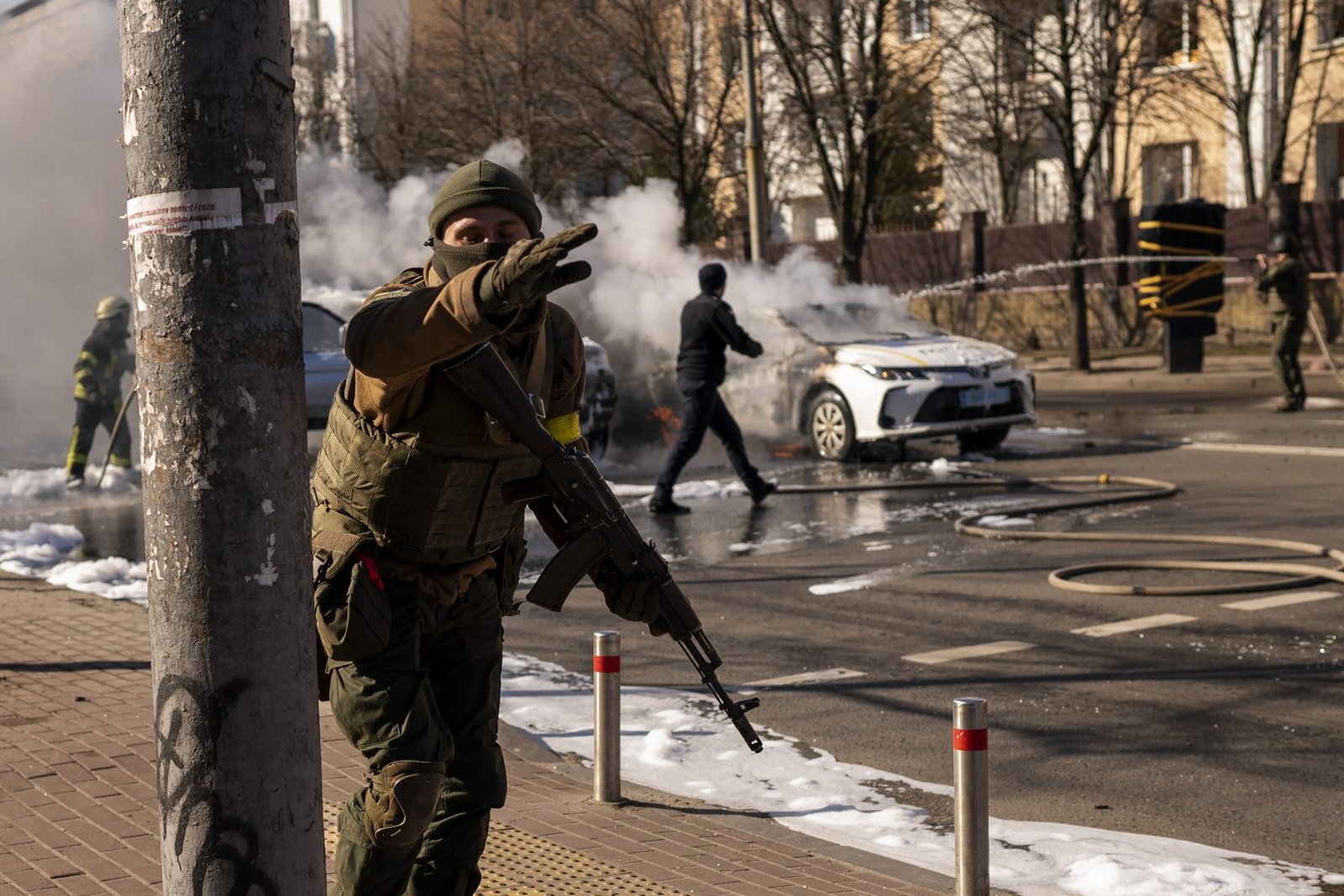
The US Iran talks Islamabad are also taking place amid continued instability in the Middle East, including ongoing military strikes in Lebanon, where civilian casualties and infrastructure damage have been reported.
This overlapping of diplomacy and conflict demonstrates how regional tensions are no longer isolated events but interconnected pressure points influencing global stability.
What Analysts or Officials Are Saying
Diplomatic analysts say the US Iran talks Islamabad represent one of the few remaining structured communication channels between Washington and Tehran, despite deep mistrust on both sides.
Experts highlight that the Strait of Hormuz dispute is not only about maritime logistics but also about strategic dominance in the Gulf region, making compromise difficult.
US officials continue to stress the importance of international maritime security cooperation, while Iranian representatives argue that external involvement undermines regional sovereignty.
Mediators in Islamabad are reportedly focused on keeping discussions alive, even in the absence of immediate breakthroughs, as both sides avoid a full diplomatic breakdown.
Daljoog News Analysis
The US Iran talks Islamabad reveal a familiar pattern in modern geopolitics: negotiations proceed in parallel with rising regional tensions, reducing the likelihood of swift or comprehensive agreements.
Pakistan’s role as mediator reflects its attempt to position itself as a regional diplomatic bridge, but structural disagreements between the US and Iran remain too deep for quick resolution.
The Strait of Hormuz issue continues to dominate the US Iran talks Islamabad, symbolizing broader competition over maritime influence and energy security in the Middle East.
Without meaningful compromise on this core issue, the talks risk remaining symbolic rather than transformative, even if they continue over multiple rounds.
What Happens Next
The US Iran talks Islamabad are expected to continue beyond the current session, with further attempts to bridge gaps on maritime security and regional cooperation.
However, unless there is movement on the Strait of Hormuz dispute, analysts expect only limited progress in the near term.
Ongoing developments in Lebanon and broader US-China-Iran tensions are also likely to influence the next phase of negotiations.