


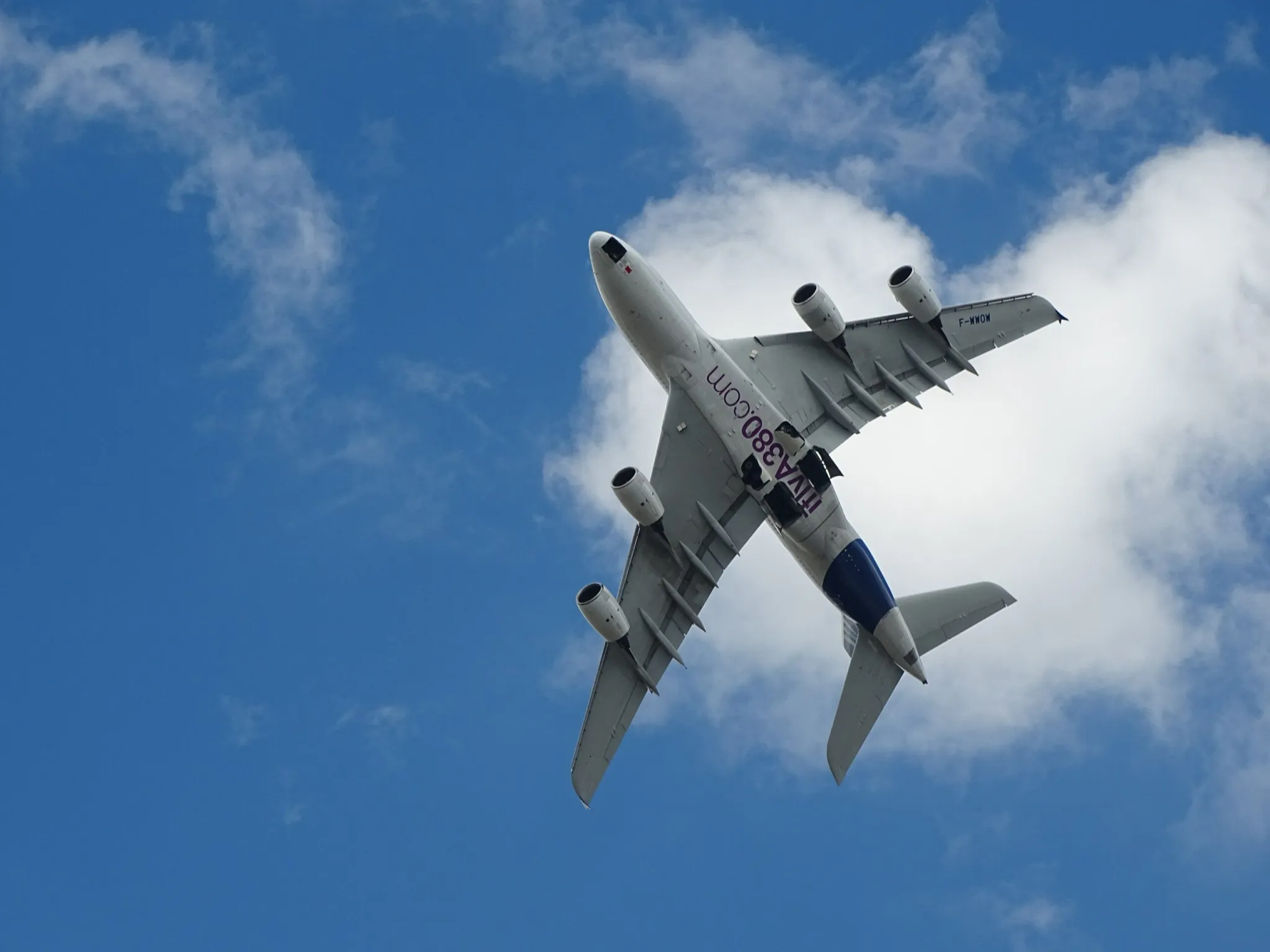
Amid ongoing military tensions between Iran, Israel, and the United States, US Navy DUMVST aircraft have been observed operating in the region. These planes are designed to serve as airborne command centers during nuclear or national emergencies.
According to Daljoog News analysis, the deployment of these specialized aircraft underscores the seriousness with which Washington is approaching the Iran conflict. Their activity signals preparation for contingency scenarios involving nuclear command and strategic communications.
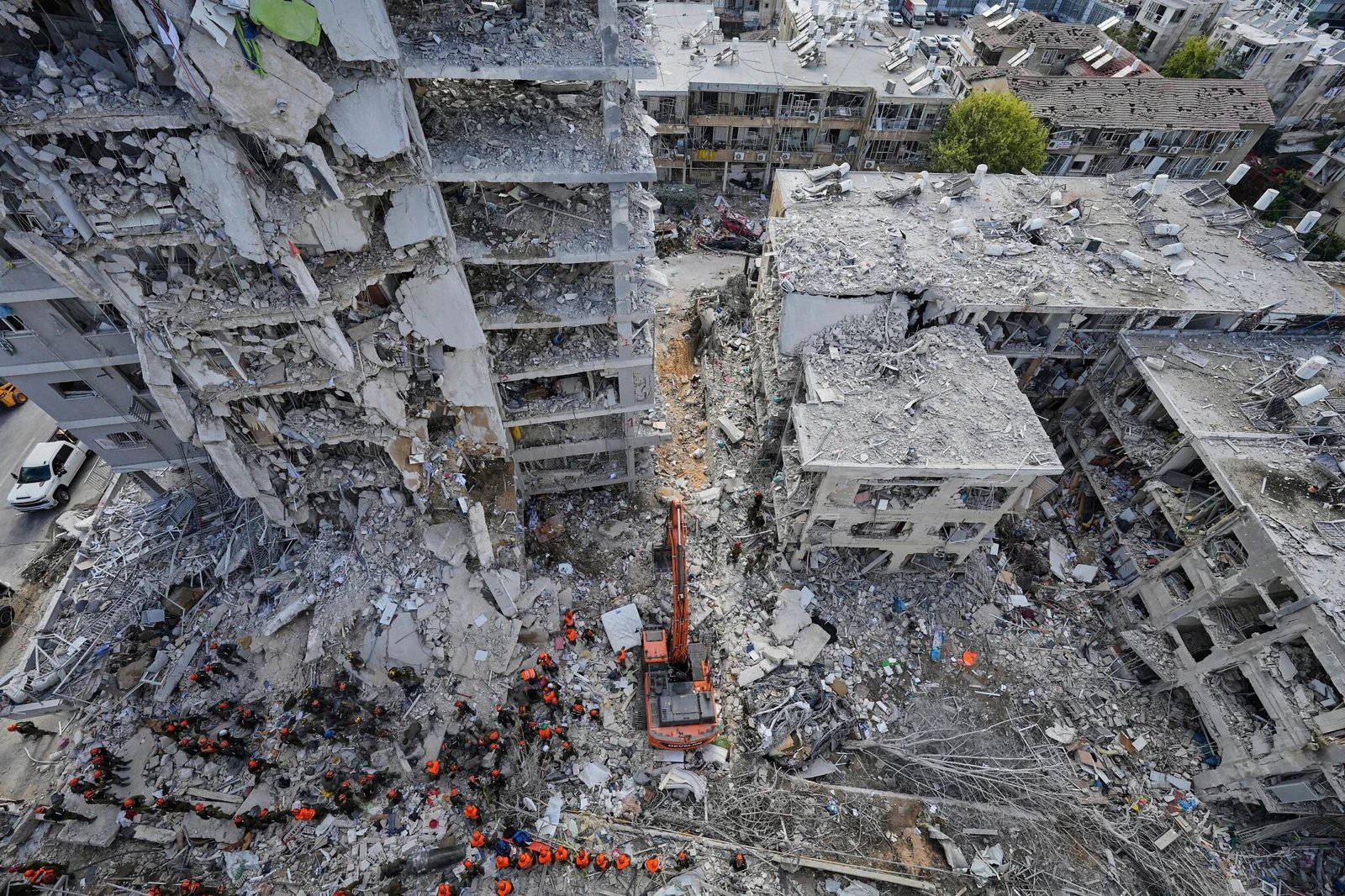
The flights coincide with heightened missile activity in the region and follow recent attacks on US and allied facilities, increasing the stakes for military and diplomatic actors alike.
What Happened?
Flight tracking data analyzed after the start of the Iran conflict on February 28 shows multiple missions by US Navy E-6B Mercury aircraft, part of the DUMVST program. The aircraft, based on the Boeing 707 airframe, are built to coordinate military responses and command operations if conventional communication networks fail during nuclear escalation.
Reports indicate that on March 2, two E-6B flights took place over US airspace. One originated near the Gulf of Mexico and landed at Patuxent River Naval Air Station in Maryland. Another took off from Offutt Air Force Base in Nebraska and returned to the same location. Analysts have also identified additional aircraft crossing the Atlantic toward the Persian Gulf.
These operations are part of the US military’s airborne command and control framework known as the TACAMO mission. The Pentagon has declined to comment on the flights, citing operational security.
Why This Matters
The DUMVST planes’ activity highlights the heightened risk environment in the Middle East. These aircraft act as floating command centers that can transmit orders to nuclear submarines and strategic satellites, ensuring command continuity even if ground-based networks are compromised.
With recent missile strikes on US bases and embassies in the region, maintaining secure communications has become critical. The presence of these planes reinforces Washington’s readiness to respond to escalations, which could influence both Iranian and allied decision-making.
Moreover, the coordination of intelligence between Russia and Iran has added layers of complexity, increasing the urgency for the US to ensure uninterrupted command infrastructure.
What Analysts or Officials Are Saying
Military experts say that the E-6B Mercury flights are part of standard nuclear deterrence and continuity operations but gain extra significance during active regional conflicts. Analysts note that such missions, while routine, send strategic signals to adversaries about US readiness and the ability to maintain control under extreme scenarios.
Pentagon officials have consistently avoided public discussion of operational flight patterns, framing such activities as critical to national security. Observers argue that the timing of these missions demonstrates a dual focus: supporting field operations and preserving long-term command authority in high-stakes situations.
Daljoog News Analysis
The DUMVST flights over Iran amid conflict signal a broader US strategy to ensure military command continuity. By keeping airborne command centers active, the US safeguards its nuclear and strategic communications even as ground facilities face potential threats.
These operations also serve a political purpose. They demonstrate to both allies and adversaries that Washington maintains full command capability and deterrence posture, regardless of regional tensions.
However, the visible presence of such aircraft could also heighten perceptions of escalation. In a volatile environment, strategic signaling and military readiness are closely monitored by multiple actors, including Iran, Israel, and Russia, which could influence regional calculations.
What Happens Next
Flight activity by DUMVST planes is expected to continue as long as tensions remain high. Analysts anticipate continued monitoring of airspace over the Persian Gulf and potential reassignments depending on threat assessments.
US officials are likely to maintain operational secrecy as they coordinate with allies in Europe and the Middle East. The ongoing presence of these airborne command centers ensures that, even during escalation, the US retains control over nuclear and strategic communications.