
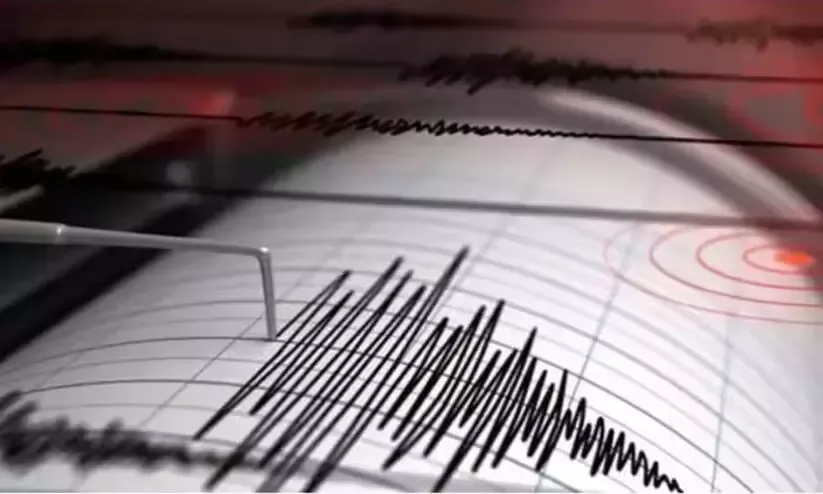
A 4.1-magnitude tremor struck near Bandar Abbas in southern Iran early Saturday, sending ripples of concern through the local population and the international community. While small, the quake’s timing has sparked speculation amid heightened regional tensions involving Israel, the United States, and Iran.
According to Daljoog News analysis, the tremor raises questions about whether it is purely geological or potentially linked to clandestine underground activity, including speculation about Iran’s nuclear program.
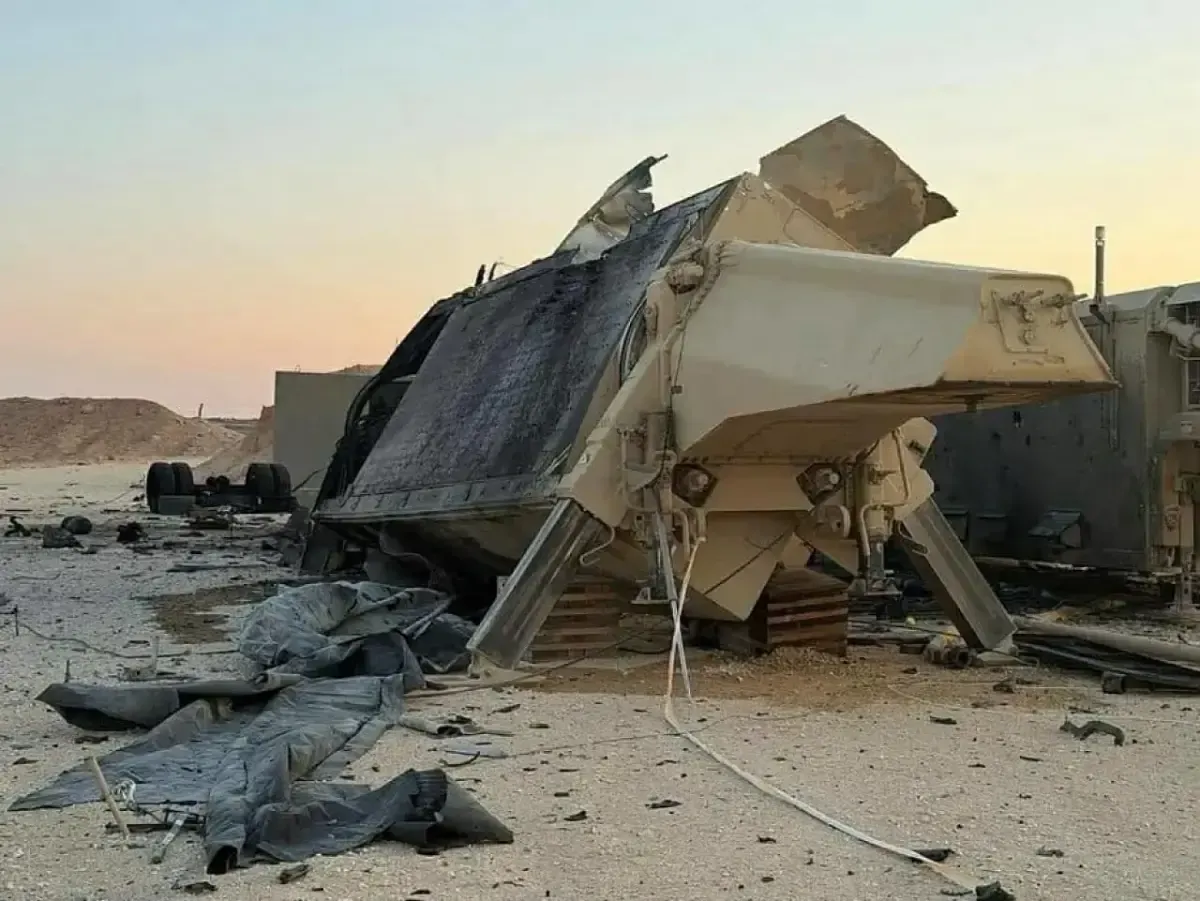
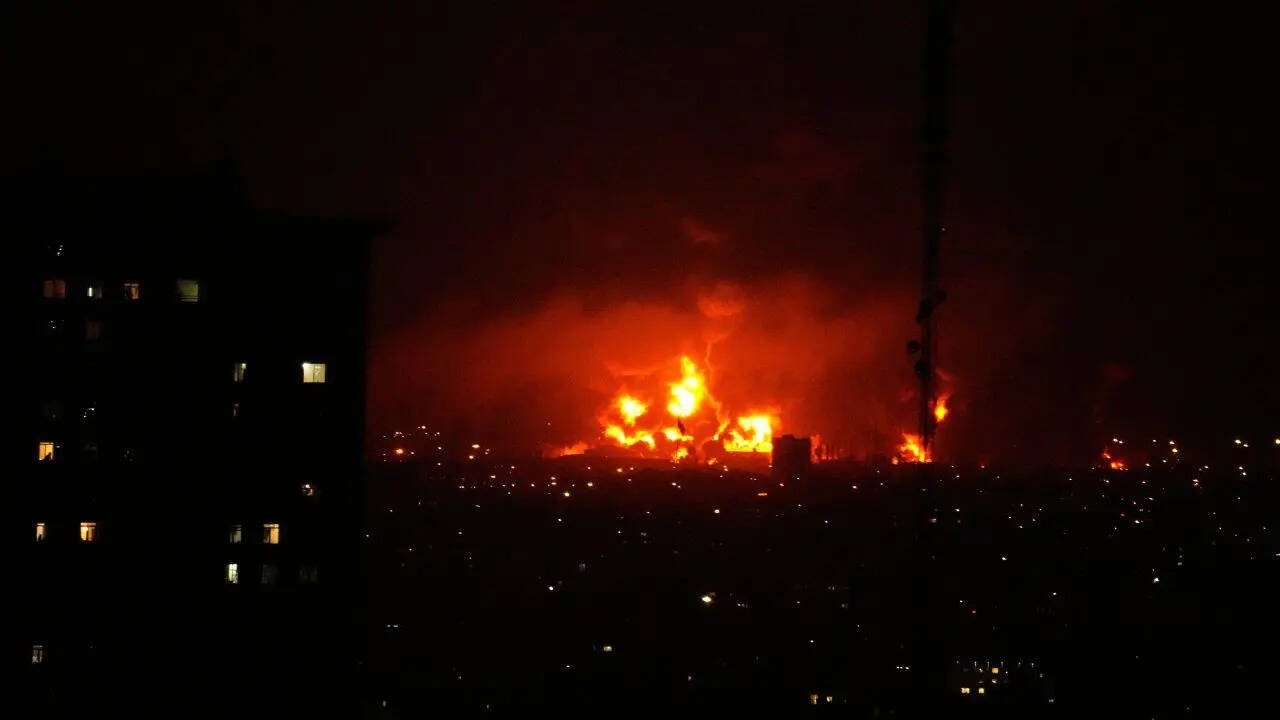
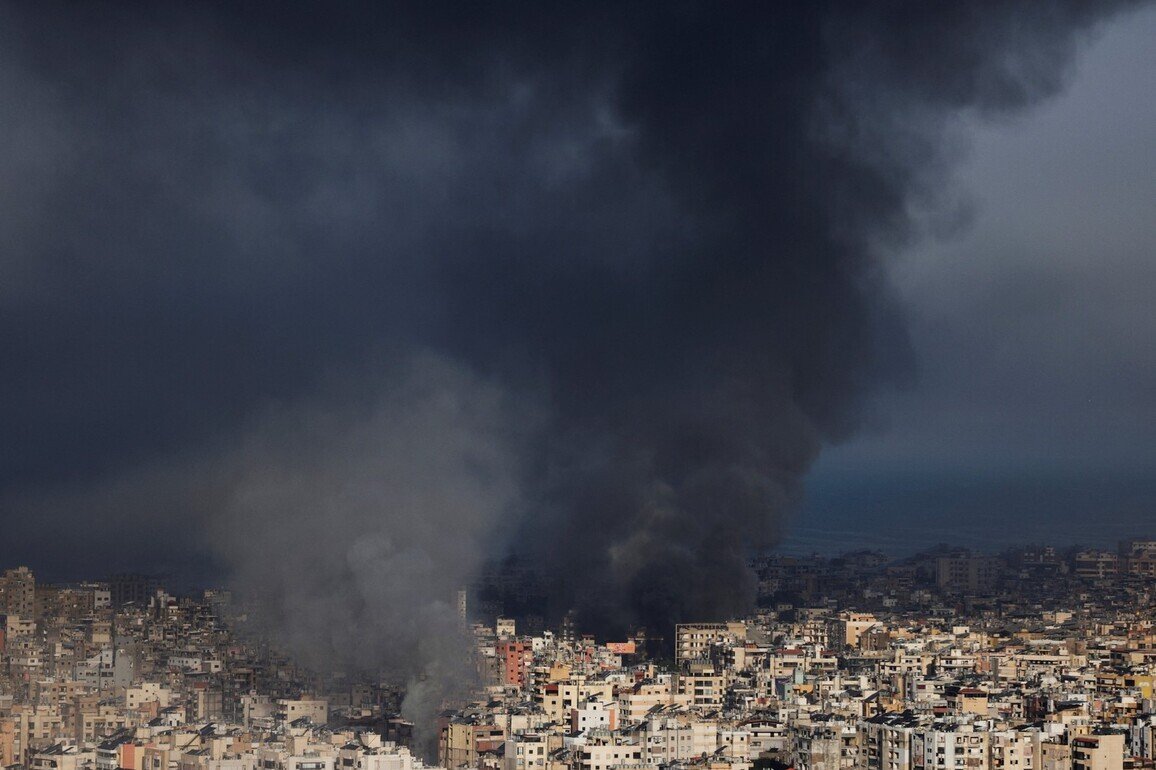
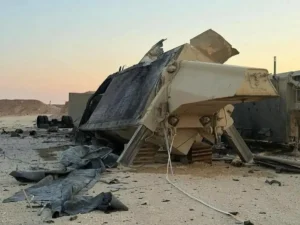
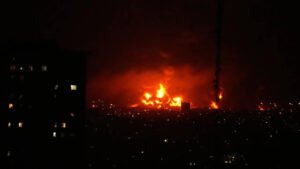
The event comes during a period of intense military and diplomatic pressure on Tehran, with recent strikes by Israel and the U.S. targeting Iranian facilities and missile infrastructure, intensifying the sense of volatility in the region.
What Happened?
The United States Geological Survey (USGS) reported that the tremor occurred approximately 74 kilometers west of Bandar Abbas, with its epicenter about 10 kilometers underground. While moderate in magnitude, the quake drew attention because of the timing and location, coinciding with ongoing military tensions in the region.
This is not the first such occurrence in recent days. Earlier in the week, a 4.3-magnitude tremor was recorded in Gerash, southern Iran. The consecutive minor tremors have led experts to debate whether they are natural geological shifts or the result of other subterranean activity.
No significant casualties or property damage have been reported from the Bandar Abbas tremor. Coastal residents experienced temporary panic over the possibility of a tsunami, but meteorological authorities quickly reassured the public that the magnitude was too low to trigger any such event.
Why This Matters
The tremor has fueled widespread speculation, particularly in social media and defense circles, about whether it could signal a covert nuclear test. Typically, underground nuclear detonations generate seismic activity similar to minor earthquakes, making this tremor a focal point for analysts.
Iran maintains that it is not developing nuclear weapons, but the timing of the tremor amid global scrutiny of its nuclear ambitions has intensified international attention. If evidence were to suggest military involvement, the implications for regional security could be severe, potentially altering the strategic calculations of Israel, the U.S., and Gulf states.
What Analysts or Officials Are Saying
Seismologists and regional security analysts are examining the tremor to determine its origin. Some suggest that minor shifts along known fault lines could account for the movement, while others caution that the possibility of underground testing cannot be entirely dismissed.
International intelligence agencies are reportedly monitoring radiation levels in the area, seeking clues that might indicate non-natural activity. Analysts emphasize that even small tremors can have outsized geopolitical significance in volatile regions.
Daljoog News Analysis
Whether natural or man-made, the tremor near Bandar Abbas has amplified existing tensions. In the context of ongoing strikes against Iranian facilities and missile defenses, even a minor seismic event can trigger global concern.
The speculation surrounding potential nuclear testing illustrates how sensitive intelligence and security communities are to any unusual activity. Tehran’s consistent denial of nuclear weapons development contrasts sharply with the atmosphere of suspicion generated by such events.
From a strategic standpoint, the tremor could serve as a warning for intelligence agencies to heighten surveillance and for regional powers to reassess defensive readiness. The overlap of natural geological activity and military uncertainty adds complexity to an already volatile situation.
What Happens Next
Authorities and analysts are likely to maintain heightened monitoring of the area for additional seismic activity or signs of underground tests.
International observers may increase pressure on Iran to provide transparency regarding its nuclear and military programs. Meanwhile, local populations remain on alert, with government agencies continuing to reassure residents about the low risk of secondary hazards like tsunamis.
In a region already fraught with military tension, even modest seismic activity could influence diplomatic and defense strategies. The coming days will be critical in determining whether the tremor is a natural event or a precursor to more significant developments.