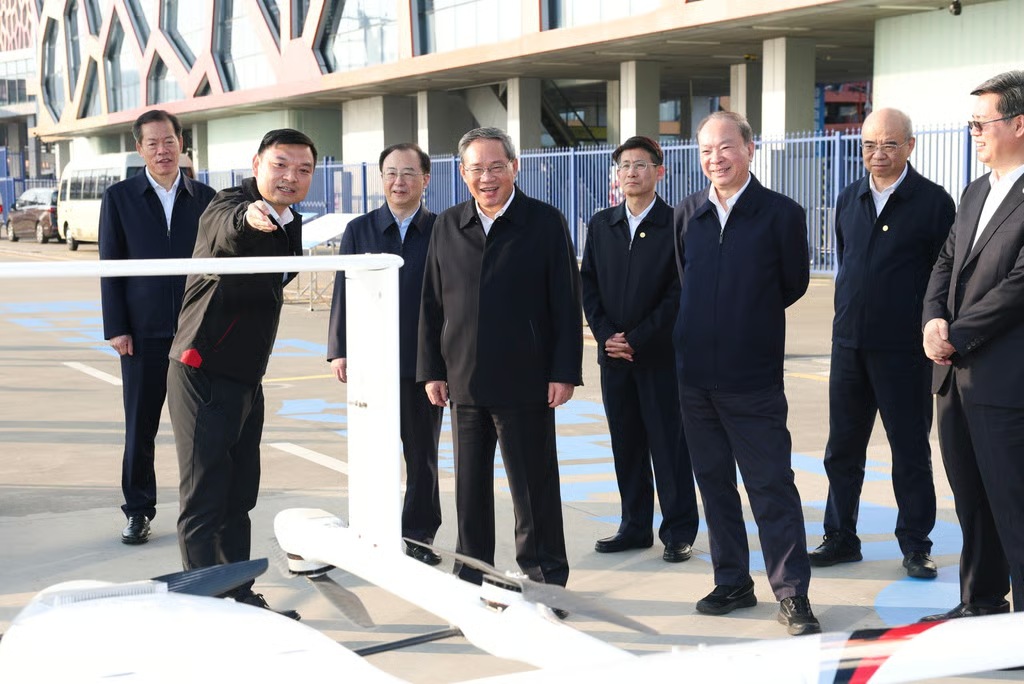




Chinese President Xi Jinping met Irish Prime Minister Micheál Martin in Beijing to discuss deepening economic cooperation and the future of China-EU relations. The talks centered on trade openness, multilateralism, and strategic engagement, highlighting the importance of strong bilateral ties.
Martin is the first Irish prime minister to make an official visit to China in 14 years. His five-day trip comes amid growing tension between Beijing and the European Union, with recent trade disputes affecting European products, including dairy and electric vehicles.
During the meeting, Xi stressed that China-Ireland relations have developed steadily based on mutual respect, equality, and shared benefits. He emphasized the need to preserve and strengthen these principles. Xi also expressed Beijing’s willingness to enhance strategic communication, build political trust, and expand practical cooperation with Dublin across sectors such as trade, investment, technology, and education.
Martin highlighted Ireland’s commitment to open markets and closer economic ties with China. He described trade and investment as mutually beneficial, noting that China is Ireland’s largest trading partner in Asia. Annual trade between the two countries is estimated at around $42 billion, making China Ireland’s fifth-largest trading partner globally.
Chinese officials pointed out that Ireland will soon assume its rotating presidency of the EU Council. Xi and other officials expressed hope that Dublin would play a constructive role in shaping dialogue between China and the European Union, promoting cooperation and stability in bilateral and multilateral relations.
Both leaders reaffirmed their support for multilateralism and the authority of the United Nations. They stressed the importance of cooperation on global governance, international rules, and fairness. Xi noted that China and the EU should approach differences objectively and rationally, while keeping mutually beneficial cooperation at the forefront of discussions.
The meeting comes as trade disputes between China and the EU have created challenges for businesses on both sides. Recent Chinese tariffs on European dairy products and electric vehicles have added pressure to bilateral economic relations. Martin’s visit signals Dublin’s intent to strengthen ties and ensure open communication despite these tensions.
Observers say that the talks reflect a broader strategy of maintaining strong China-EU relations. Ireland’s economic role in Europe gives it a unique position to foster dialogue, while China seeks to expand trade and investment links beyond larger EU economies. The discussions also underscore China’s focus on building trust with smaller but influential EU members.
Experts note that such high-level visits help reinforce confidence in trade partnerships. By combining political dialogue with economic engagement, countries can address disagreements while promoting stable long-term cooperation. The meeting also strengthens channels for collaboration on sectors like green technology, digital innovation, and logistics.
Analysts point out that Ireland’s position as an EU member and its open market policies make it a key partner for China’s strategy to diversify trade ties in Europe. Strong cooperation with Ireland could help mitigate some of the effects of ongoing EU-China trade disputes and reinforce confidence among European businesses operating in China.
The Beijing meeting between Xi and Martin demonstrates both sides’ interest in balancing economic opportunity with political and diplomatic dialogue. Both leaders emphasized practical steps to expand trade, enhance trust, and strengthen cooperation across sectors.
Martin’s visit is expected to include discussions with Chinese business leaders and visits to industrial and technology hubs, complementing the high-level political talks. The trip underscores Ireland’s commitment to fostering strong, stable relations with China while supporting EU-China dialogue during a period of trade tensions.
China and Ireland now appear poised to deepen collaboration, not only through trade but also in areas like technology, sustainable development, and international governance. Both sides reaffirmed that cooperation, mutual understanding, and strategic dialogue are key to building long-term partnership.