


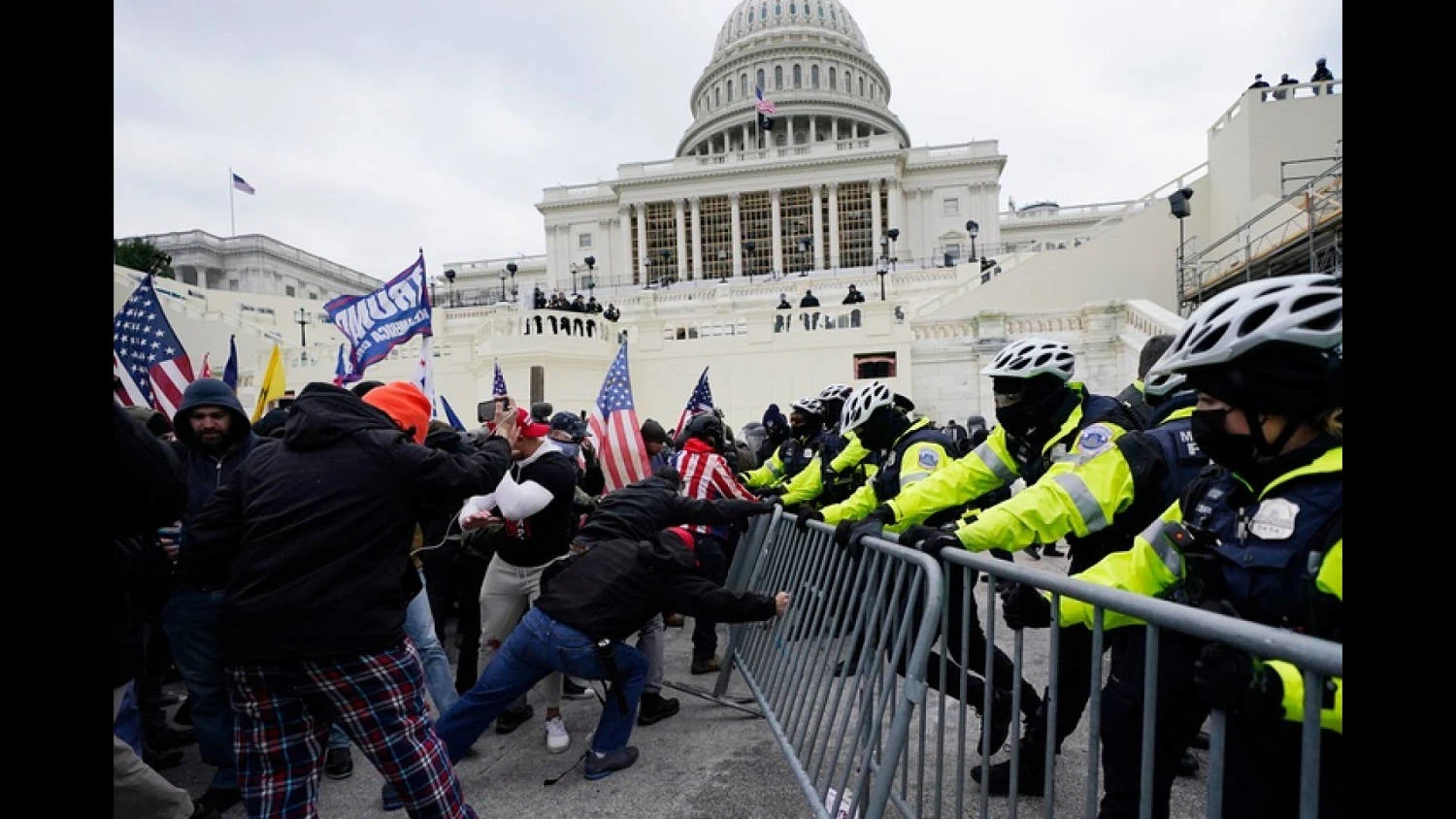
It has been 300 days since President Donald Trump issued mass pardons for people involved in the January 6 attack on the U.S. Capitol. Many of those pardoned have since faced new or resurfaced legal problems.
Dan Wilson is one of the most notable cases. He received not just one pardon, but two. Trump first pardoned him for his actions on January 6, then reissued a pardon to erase a separate gun conviction.
Wilson is not alone. A growing number of Jan. 6 defendants are running into legal trouble again. MS NOW tracked over a dozen cases involving offenses such as drunk driving, burglary, reckless homicide, and child sexual abuse.
The consequences have been severe in some instances. At least two people have been killed by individuals previously pardoned for participating in the Capitol riot. These developments highlight concerns about the long-term effects of Trump’s mass pardons and the ongoing accountability of those involved in the events of January 6.
Legal experts note that pardons erase federal convictions but do not prevent states from prosecuting crimes or taking other legal action. This means some pardoned individuals could still face serious consequences for subsequent offenses.
The mass pardon, widely criticized at the time, continues to attract scrutiny as more cases emerge. Advocates for justice and victims’ families argue that the pardons may have emboldened some defendants to commit further crimes, knowing they previously escaped federal punishment.
The situation underscores the complexities of presidential pardons and the limits of their impact on ongoing public safety. Officials continue to monitor legal developments involving pardoned individuals, while lawmakers debate whether reforms are needed to prevent future mass pardons from undermining accountability.