



Israel’s Prime Minister Benjamin Netanyahu has described the ongoing conflict with Iran as a limited and targeted campaign, rather than a prolonged war. He emphasized that the operation’s objective is decisive action, not an indefinite confrontation.
According to Daljoog News analysis, Netanyahu’s remarks signal Israel’s intent to rapidly consolidate gains following the killing of Iran’s top leader, Ayatollah Khamenei, and to shape conditions for potential political change within Tehran.
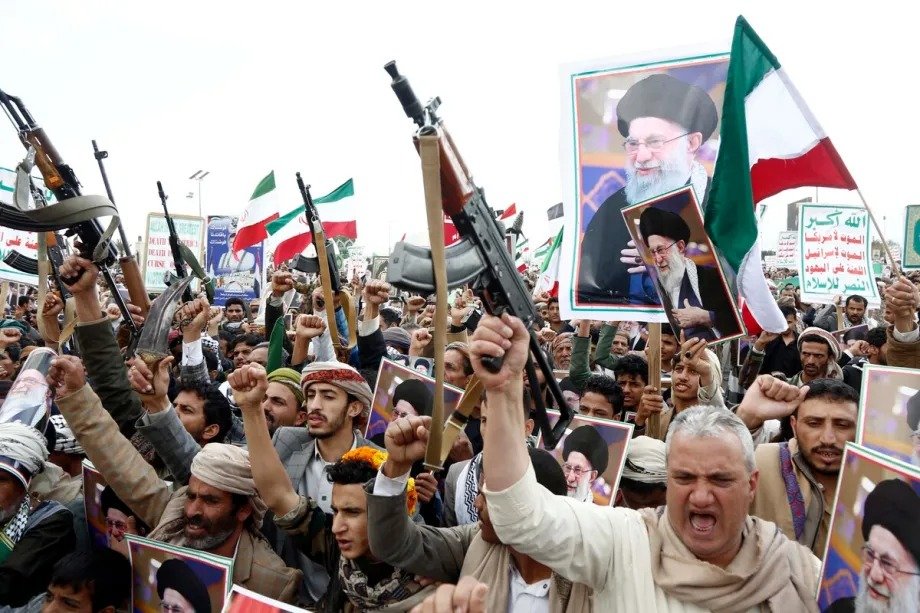
The timing of the statement coincides with escalating regional tensions, including missile strikes and attacks on U.S. bases across the Gulf. Israel and its allies appear focused on achieving strategic goals before broader escalation occurs.
What Happened?
In an interview with Fox News, Netanyahu stressed that Israel’s current military campaign against Iran is designed to be swift and final. He highlighted that the death of Khamenei presents a unique moment for political shifts inside Iran, and he framed Israel’s actions as creating the environment for such change.
The Prime Minister insisted that the operation is not intended to drag on for years. Rather, he described it as a focused mission aimed at neutralizing Iran’s nuclear capabilities and ensuring regional security.
U.S. Vice President Jared Civens echoed this stance, confirming that the Biden administration does not plan to engage in a long-term conflict similar to those in Iraq or Afghanistan. Washington’s primary objective is the permanent dismantling of Iran’s nuclear weapons program.
Why This Matters
Netanyahu’s statements provide insight into Israel’s strategic approach and timeline. By framing the operation as short-term and decisive, Israeli leadership aims to reassure allies, manage public perception, and reduce the risk of prolonged conflict in the region.
The focus on Iran’s nuclear program underscores the central security concern driving both U.S. and Israeli operations. Any misstep, however, could still trigger wider regional escalation or draw additional powers into the conflict.
What Analysts or Officials Are Saying
Military analysts suggest Netanyahu’s language is designed to signal confidence and control, while also deterring Iranian forces from retaliatory escalation. Experts note that portraying the campaign as brief may help manage domestic and international support.
U.S. officials, reflecting Vice President Civens’ comments, indicate that Washington is coordinating closely with Israel to ensure the operation achieves its objectives without becoming a protracted war. Analysts warn, however, that Iran’s regional influence and proxy networks could complicate efforts to maintain a short timeline.
Daljoog News Analysis
From a strategic perspective, Netanyahu’s emphasis on a rapid and final campaign aligns with Israel’s broader security doctrine: striking decisively to prevent prolonged entanglement. The Prime Minister is signaling that the goal is structural change in Iran’s nuclear posture, rather than territorial conquest or extended occupation.
The framing also serves a diplomatic function, providing reassurance to allies that the conflict is contained and targeted. By highlighting the brevity of operations, Israel seeks to manage global perceptions, maintain support, and avoid international criticism associated with long-term warfare.
What Happens Next
Israel and U.S. forces are likely to continue coordinated operations against Iran’s nuclear infrastructure and military assets. The focus will remain on precision strikes designed to neutralize immediate threats while minimizing broader civilian harm.
Regional monitoring will intensify, with Gulf allies adjusting security protocols and defense readiness. Analysts caution that, although Netanyahu projects confidence in a short campaign, the evolving nature of proxy and missile warfare could complicate timelines and outcomes.
The coming days will reveal whether Israel’s strategy succeeds in achieving rapid objectives or whether the conflict risks broader escalation in the Gulf and beyond.