


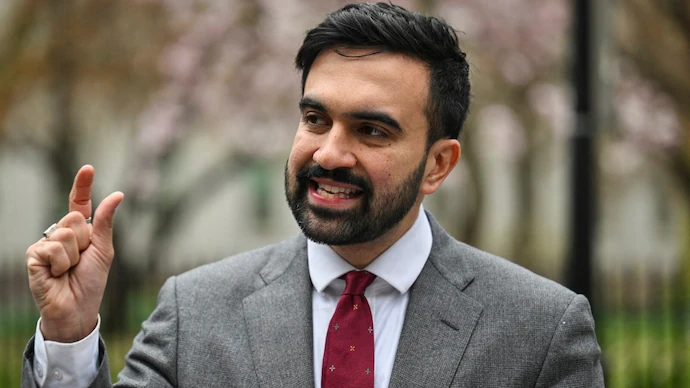
Zohran Mamdani has emerged as one of New York City’s most closely watched political figures. After his surprising 13-point victory over former Governor Andrew Cuomo in the Democratic primary, Mamdani’s campaign has revealed new insights into the 34-year-old Democratic socialist ahead of the general election. Polls indicate he remains a strong contender, energizing younger voters and reshaping the city’s political landscape.
Mamdani won the Democratic primary without endorsements from major party leaders, including Governor Kathy Hochul, House Minority Leader Hakeem Jeffries, and other senior officials. Despite their initial hesitation, he has consistently welcomed these figures into his coalition rather than criticizing them. His approach signals a patient, inclusive leadership style aimed at bridging divides within the party while maintaining his progressive identity.
The primary campaign also uncovered previously little-known details about Mamdani’s life. Reports highlighted his family home in Uganda, experiences with elite security, and past interactions with controversial figures. His political positions include support for decriminalizing sex work, skepticism about police handling domestic violence, and advocacy for worker control over production. While critics have framed him as under-vetted, his campaign team has highlighted the contrast between his opponents’ records and their own scandals.
During his time in the state Legislature, Mamdani was known for taking hardline stances, including votes that challenged his own progressive initiatives. In the general election, he has signaled a more pragmatic approach. He has committed to keeping Jessica Tisch as NYPD commissioner, backed new jail construction projects, and indicated he may fund policies without increasing taxes on the wealthy. This moderation is designed to appeal to centrist voters while retaining support from progressives.
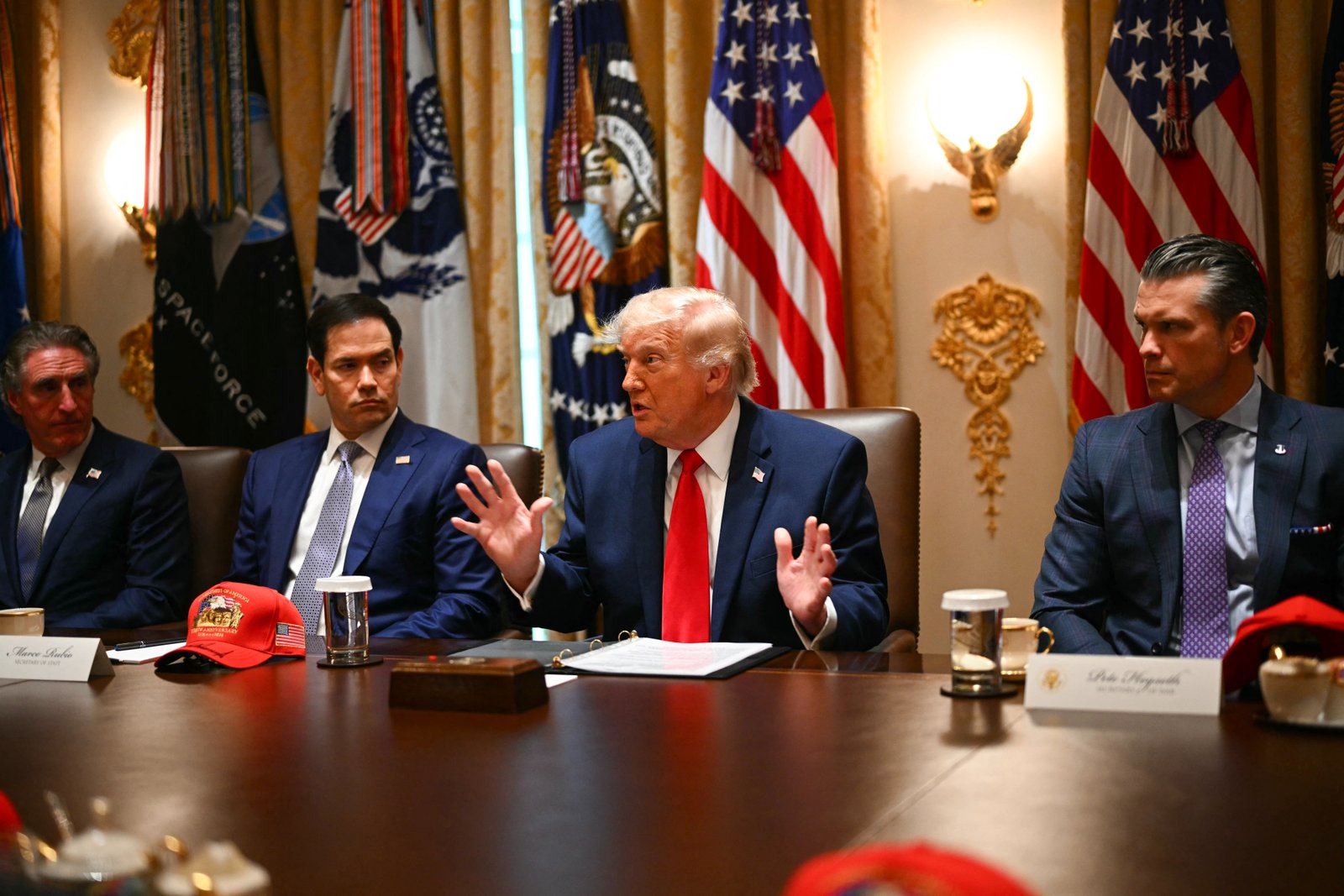
As Mamdani’s prospects grow, President Donald Trump has intensified his attacks, threatening to cut federal funding to New York City if Mamdani wins. The mayoral nominee has pledged to resist what he describes as “Trump’s authoritarianism” while remaining open to collaboration on issues like the cost of living. Analysts expect the White House–City Hall relationship to become a central and contentious part of his potential administration.
Mamdani has clarified that his platform does not fully align with the national Democratic Socialists of America. While the organization helped shape his early political rise, he has deliberately differentiated his policies, including moderating stances on misdemeanor offenses and other far-left priorities. Local DSA leaders acknowledge this shift, noting that working with Mamdani as mayor would differ from collaborating with him as a state legislator.
Mamdani’s campaign illustrates a blend of progressive values, practical governance, and strategic political navigation. His ability to maintain support from younger voters, while moderating stances to appeal to the city’s broader electorate, has made him a formidable candidate. Analysts note that his approach could set a precedent for how Democratic Socialists balance ideology with political realities in major urban centers.
As Election Day approaches, Mamdani’s profile continues to grow, attracting national attention and scrutiny. His leadership style, policy priorities, and willingness to confront powerful political figures like Trump will shape both the city and the Democratic Party’s trajectory in the coming years. Whether he can maintain his coalition while managing opposition from the federal level remains the central question as voters head to the polls. Mamdani’s rise underscores the changing dynamics of New York City politics and the influence of younger, more progressive voters in shaping the city’s future.