



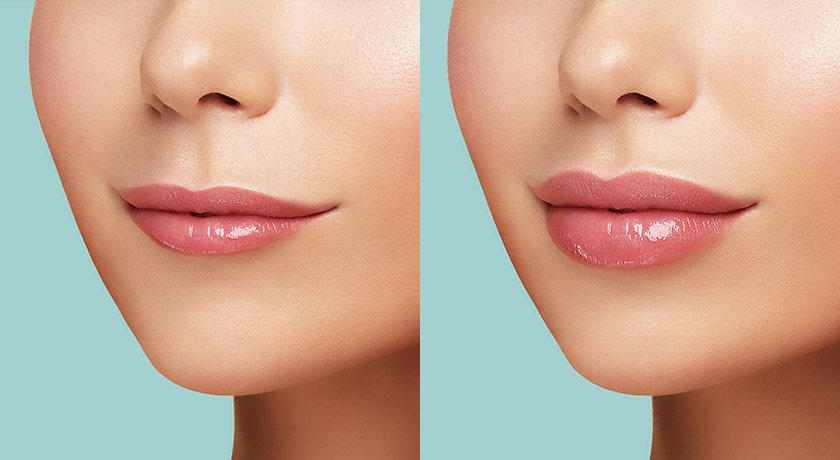
Changing your appearance with lip filler can feel like a big commitment. Still, the good news is that hyaluronic acid fillers — like Juvederm, Restylane, and Belotero — can be dissolved if you’re unhappy with the results.
Common reasons include filler migration, overfilling, lumps or asymmetry, and pain or adverse reactions. Filler migration occurs when filler moves from the red lip to the surrounding areas. Overfilling can make lips appear unnaturally plump or “duck-like.” Uneven spread of filler may cause bumps, while pain or adverse reactions, though rare, can require urgent dissolving.
A doctor will numb your lips with cream and inject hyaluronidase to break down the filler. Some people see results immediately, though it may take up to a week. Non-hyaluronic fillers, like fat or silicone, are much harder to remove and may require surgical intervention.
Dissolving can often be completed in one session, but dense or cross-linked filler may need multiple treatments. Your body’s metabolism also affects how quickly the filler is absorbed.
Expect mild pain, swelling, or bruising for a few days. Lips may look hollow initially, but their natural shape usually returns over time. Avoid rubbing the area to let the enzyme work effectively.
You can get lip filler again after dissolving, but it’s best to wait a few weeks to let your lips fully recover. Adding filler too soon may result in it being dissolved by residual enzyme.
With proper care, dissolving lip filler is a straightforward process that allows you to safely adjust your look.