


Missouri lawmakers are considering a bill that could change how national pharmacy chains operate and give patients more freedom in choosing their pharmacies. The proposed legislation aims to tackle growing concerns over pharmacy closures and rising drug costs caused by Pharmacy Benefit Managers, or PBMs.
Small pharmacy owners say the middlemen are hurting their businesses. Anthony DeSha, owner of Flow’s Pharmacy, says smiles and personal service make his store unique, but profit remains elusive. According to DeSha, PBMs set drug prices and reimbursements in ways that favor large chains, leaving small independent pharmacies struggling to survive.
“I can’t compete with that because they set the prices, they pay their pharmacies, and pay us far less. So it’s not a free market,” DeSha said.
PBMs act as intermediaries between drug manufacturers and pharmacies. They decide reimbursement rates and manage prescription benefits for insurers. The problem, critics argue, is that PBMs also own and operate their own pharmacy chains. This gives them an unfair advantage, as their pharmacies often receive better pricing and higher reimbursements.
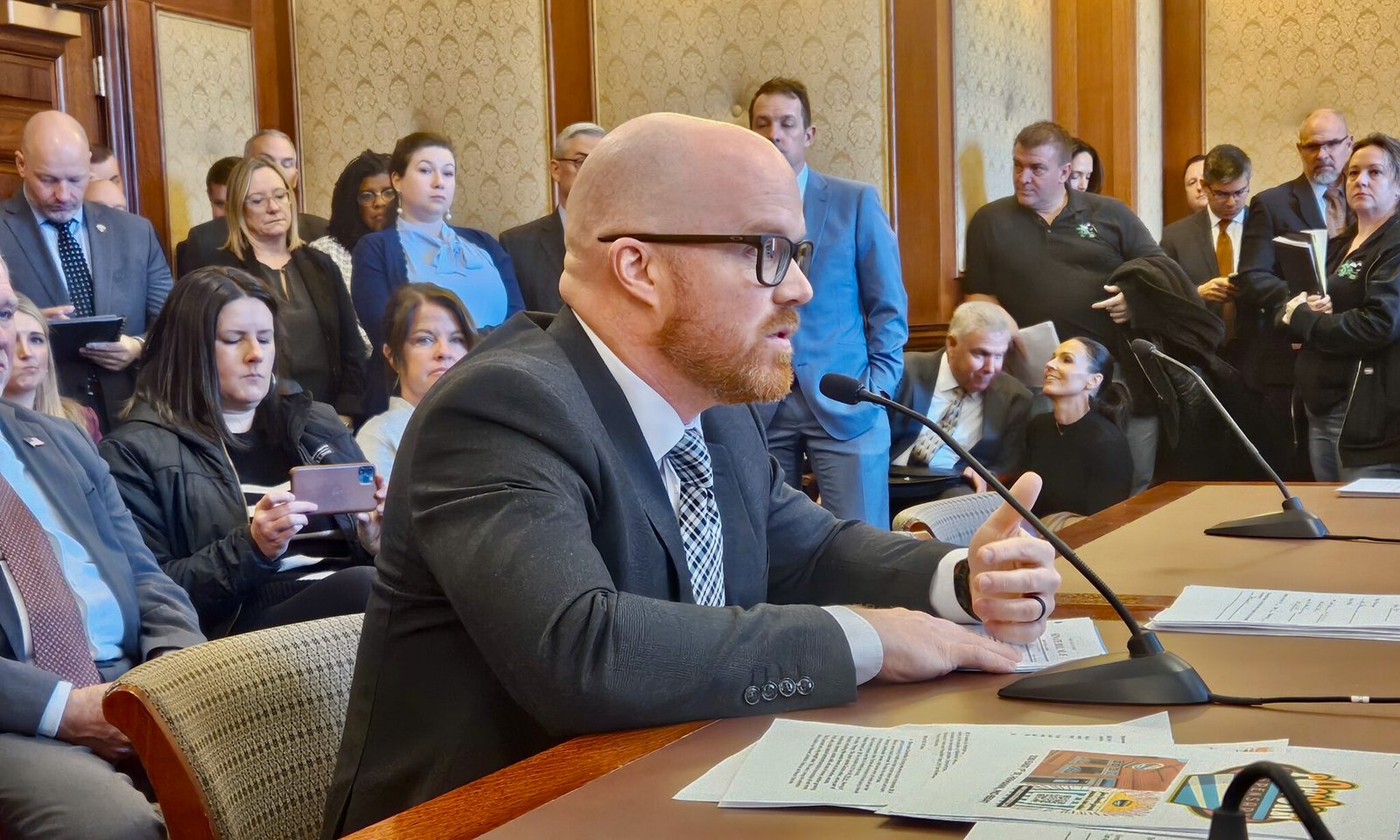
Rep. Bennie Cook, who introduced the bill, says Missouri needs to act before the problem worsens. The legislation would give patients the right to choose any pharmacy and prevent PBMs from raising prices for independent pharmacies. Cook worries that failure to regulate PBMs will lead to more closures and fewer options for patients.
“We’re going to have pharmacies close, we’re going to have patients who have access issues, and it’s a ripple effect that I’m really concerned about. If we don’t tackle it this year, what will next year look like?” Cook said.
The issue is not just local. Across the United States, thousands of independent pharmacies have closed in recent years, leaving many communities without convenient access to medications. These “pharmacy deserts” are especially concerning for rural areas, seniors, and patients with chronic conditions.
A 2025 Federal Trade Commission report found that the three largest PBMs—CVS Caremark, Express Scripts, and OptumRx—have inflated prices on essential medications by more than $7.3 billion. This figure highlights the financial burden placed on small pharmacies and patients alike.
Efforts to regulate PBMs have repeatedly stalled at both state and federal levels. Bills introduced in previous years failed to gain enough support, leaving independent pharmacies vulnerable to market pressures. Proponents argue that Missouri’s bill could set an important precedent by restoring fair competition and ensuring patient access to medications.
PBM representatives, however, warn that new regulations could have unintended consequences. Greg Lopes, a spokesperson for the Pharmaceutical Care Management Association, which represents major PBMs, said that restricting PBM operations could force pharmacy closures nationwide. He emphasized that such closures might particularly affect seniors and veterans who rely on consistent access to medications.
Despite these warnings, small pharmacy owners and patient advocates see the legislation as necessary. They argue that competition and transparency in pricing are essential for a functioning healthcare system.
If passed, the Missouri pharmacy regulation bill could reshape the state’s pharmaceutical landscape. Patients may gain more choice and smaller pharmacies could see relief from restrictive PBM practices. However, the debate highlights a larger national challenge: balancing the business interests of PBMs with public health needs and equitable access to medications.
As the bill moves through Missouri’s legislative process, stakeholders on both sides are watching closely. Independent pharmacies hope the measure will provide a lifeline, while PBMs argue it could disrupt the broader healthcare network. The outcome may influence future legislation in other states facing similar challenges with pharmacy closures and rising prescription costs.
Missouri’s efforts come at a critical time when access to medications is a growing concern nationwide. Lawmakers, pharmacy owners, and patient advocates are all weighing the potential benefits and risks. The debate over PBM regulation is likely to continue, but Missouri may soon become a test case for how states can protect patients and maintain a competitive pharmacy market.