



Flu cases are rising sharply across New York as holiday gatherings approach, leading to increased hospitalizations and school absences. According to the New York State Department of Health, nearly 1,400 people were hospitalized with the flu this week, a 75% increase from last week’s nearly 800 cases.
Schools are feeling the impact. Poly Prep in Dyker Heights closed for two days after one-third of its 900 upper and middle school students fell ill with flu-like symptoms. Students returned to campus after the brief shutdown, but administrators continue to implement safety measures to reduce the spread.
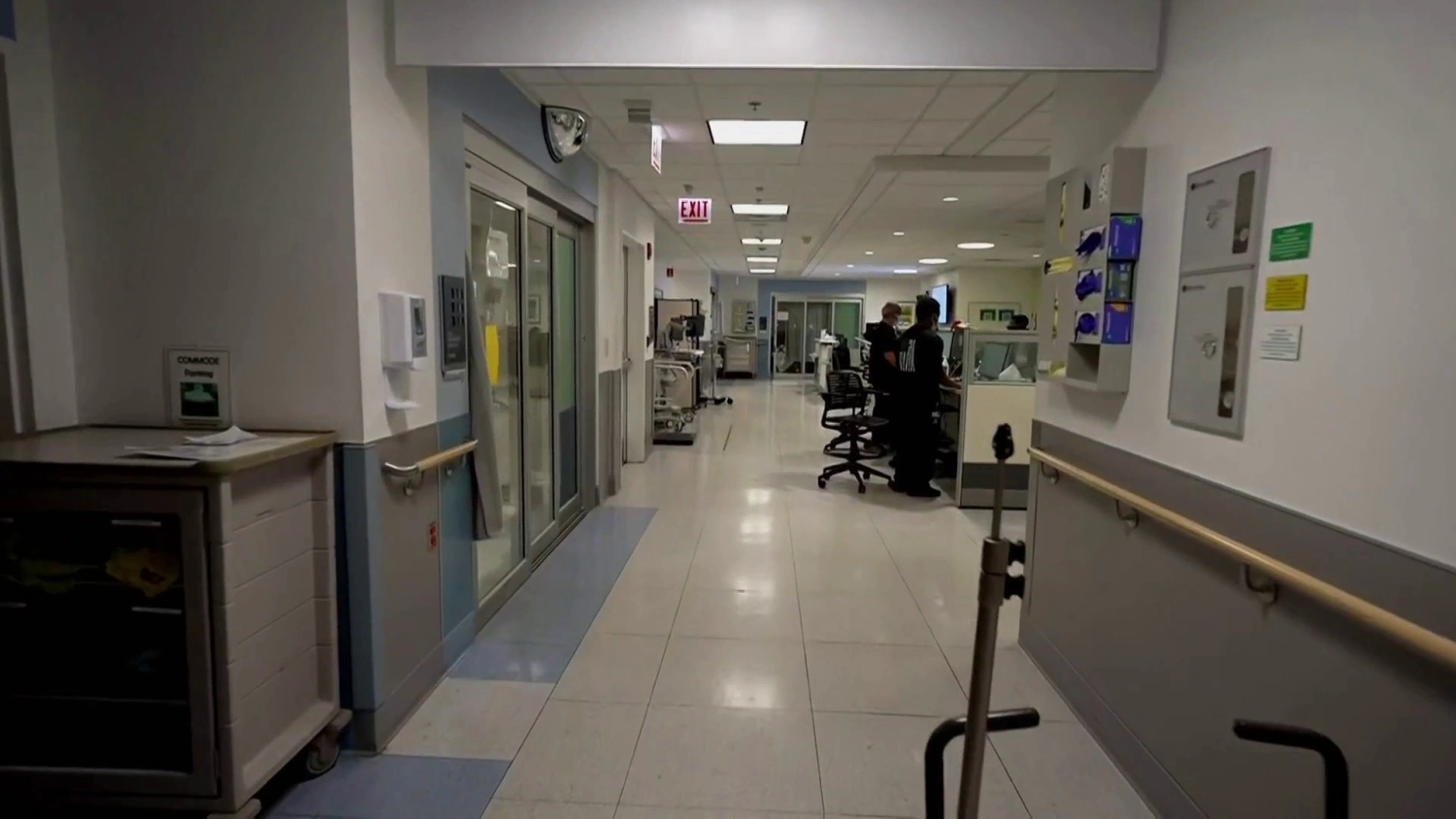
The rise in flu cases is even more pronounced in hospitals. Dr. Sharon Nachman of Stony Brook Children’s Hospital said, “Our current numbers are over 150 patients in the hospital with flu as of Sunday.” She highlighted that children are particularly vulnerable, and both vaccinated and unvaccinated populations are affected by this season’s aggressive flu strain.
Health experts warn that this season’s flu is spreading faster due to a mutated strain that is partially evading immune responses. Dr. Bruce Farber of the Northwell Division of Infectious Diseases said, “No. It’s never too late to get vaccinated. This virus will be with us even if it starts going down through at least the end of March.”
Although this year’s vaccine is not a perfect match for the new strain, medical professionals emphasize its protective benefits. Dr. Farber noted, “It may not prevent you from getting the flu, but it has shown good efficacy in preventing you from being hospitalized, preventing you from dying.”
Vaccination remains critical, especially for children and individuals with underlying health conditions. Dr. Nachman added, “Every year, there are children that die of flu. About half of them have underlying conditions. But half don’t. The common thread though is they’re not vaccinated.”
Hospitals across the state are preparing for continued strain as flu activity is expected to remain high through the winter months. Emergency departments report heavier patient loads, and staff are implementing strategies to manage surges while protecting vulnerable populations.
Public health officials urge residents to take precautions beyond vaccination, including frequent handwashing, covering coughs and sneezes, and avoiding close contact with sick individuals. Schools and community centers are also increasing sanitation measures and monitoring absentee rates to limit outbreaks.
The Centers for Disease Control and Prevention (CDC) has noted that flu seasons with fast-spreading mutated strains often lead to sudden spikes in hospitalizations and severe cases. Health authorities say these patterns highlight the importance of early vaccination and timely medical care for those showing symptoms.
Flu symptoms this season include high fever, body aches, fatigue, sore throat, and respiratory issues. Individuals experiencing severe symptoms, such as difficulty breathing, chest pain, or confusion, are advised to seek immediate medical attention. Early treatment with antiviral medications can reduce the severity of the illness and help prevent complications.
Experts stress that vaccination is effective even after the flu season has begun. While immunity may not be immediate, receiving the shot can still lower the risk of severe disease, hospitalization, and death. This message is especially important for parents, caregivers, and older adults who are at higher risk of complications.
As the flu continues to surge in New York, public health officials are monitoring trends and updating guidance for schools, healthcare providers, and the general public. They emphasize that proactive measures, including vaccination, hygiene, and staying home when sick, are essential to reduce the spread and protect vulnerable populations.
The current spike in New York flu hospitalizations serves as a reminder of the persistent threat of influenza and the ongoing need for community vigilance. By taking preventive steps, residents can help reduce the burden on hospitals and protect themselves and their families during a particularly challenging flu season.