


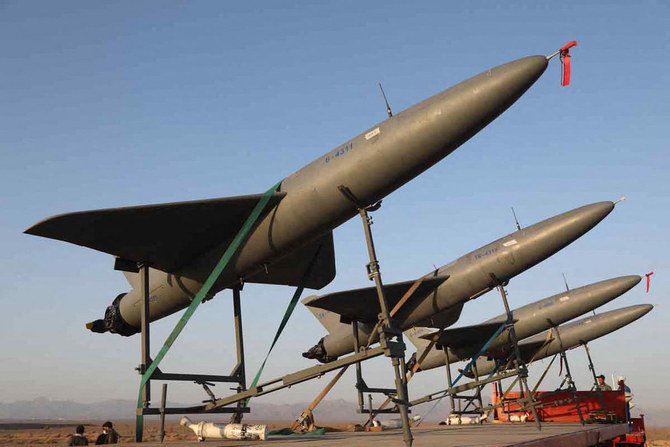
Late Monday night, the U.S. embassy in Riyadh, Saudi Arabia, came under attack from multiple Iranian drones. Explosions shook the diplomatic quarter, sending smoke into the sky and sparking heightened alarm among residents and foreign missions.
According to Daljoog News analysis, the strikes reveal vulnerabilities in Gulf air defenses and mark a sharp escalation in U.S.-Iran tensions, signaling the potential for broader regional conflict.
The attack comes amid a series of Iranian missile and drone operations targeting U.S. facilities across the Gulf, including recent incidents in Kuwait, Doha, and Dubai, heightening concerns for civilian and diplomatic safety.
What Happened?
Saudi officials reported that two drones directly targeted the U.S. embassy compound in Riyadh, causing a small fire and minor structural damage. No casualties have been reported. Saudi air defenses intercepted and destroyed four additional drones approaching the diplomatic area.
Following the incident, the U.S. embassy issued safety instructions for Americans in Riyadh, Jeddah, and Dhahran, advising residents to seek shelter in secure locations and remain alert for further guidance.
Meanwhile, Kuwait confirmed that a combined wave of missiles and drones was detected within its airspace, prompting heightened alert and maximum readiness for the protection of civilians and territory.
Why This Matters
The attack underscores the growing reach of Iranian drone capabilities and exposes the limits of existing air defense systems in the Gulf. Diplomatic areas housing foreign embassies, including the U.S., are now potential targets, raising concerns over civilian safety and international law violations.
For Washington, the incident intensifies the challenge of protecting personnel abroad while avoiding escalation into a full-scale conflict. Regional allies, including Saudi Arabia and Kuwait, face mounting pressure to reinforce security and manage the risk of spillover.
What Analysts or Officials Are Saying
Experts note that the Riyadh drone strike is unlikely to be an isolated event. Analysts view it as part of a larger pattern of Iranian retaliation following U.S.-Israeli strikes in Tehran and the broader campaign against Iran’s leadership.
Officials caution that continued attacks could increase the risk of direct military confrontation between the U.S. and Iran. Observers highlight that the presence of multiple foreign embassies in Riyadh’s diplomatic quarter makes any further strikes particularly sensitive under international law.
Daljoog News Analysis
From a strategic perspective, the drone strike demonstrates Iran’s ability to project force beyond its borders and target high-value diplomatic assets. The timing, coinciding with escalating attacks in neighboring Gulf states, suggests Tehran is leveraging psychological and operational pressure against U.S. and allied positions.
The incident also emphasizes the fragility of Gulf security infrastructure. Even sophisticated air defense systems may struggle to counter multiple, coordinated drone attacks, leaving both civilian and diplomatic populations vulnerable.
For global policymakers, this event signals that the Gulf could become a flashpoint for broader escalation, with energy markets, regional trade, and diplomatic relations all potentially impacted.
What Happens Next
Saudi Arabia and U.S. forces are expected to review and strengthen air defenses in Riyadh and other high-risk areas. Heightened security, including increased patrols, restricted access, and surveillance, is likely to continue until the threat subsides.
Observers will closely watch Iranian drone and missile activity across the Gulf, as further strikes could provoke retaliatory action by the U.S. or its allies. Analysts warn that failure to contain attacks may escalate the conflict, affecting regional stability, civilian safety, and global energy markets.